
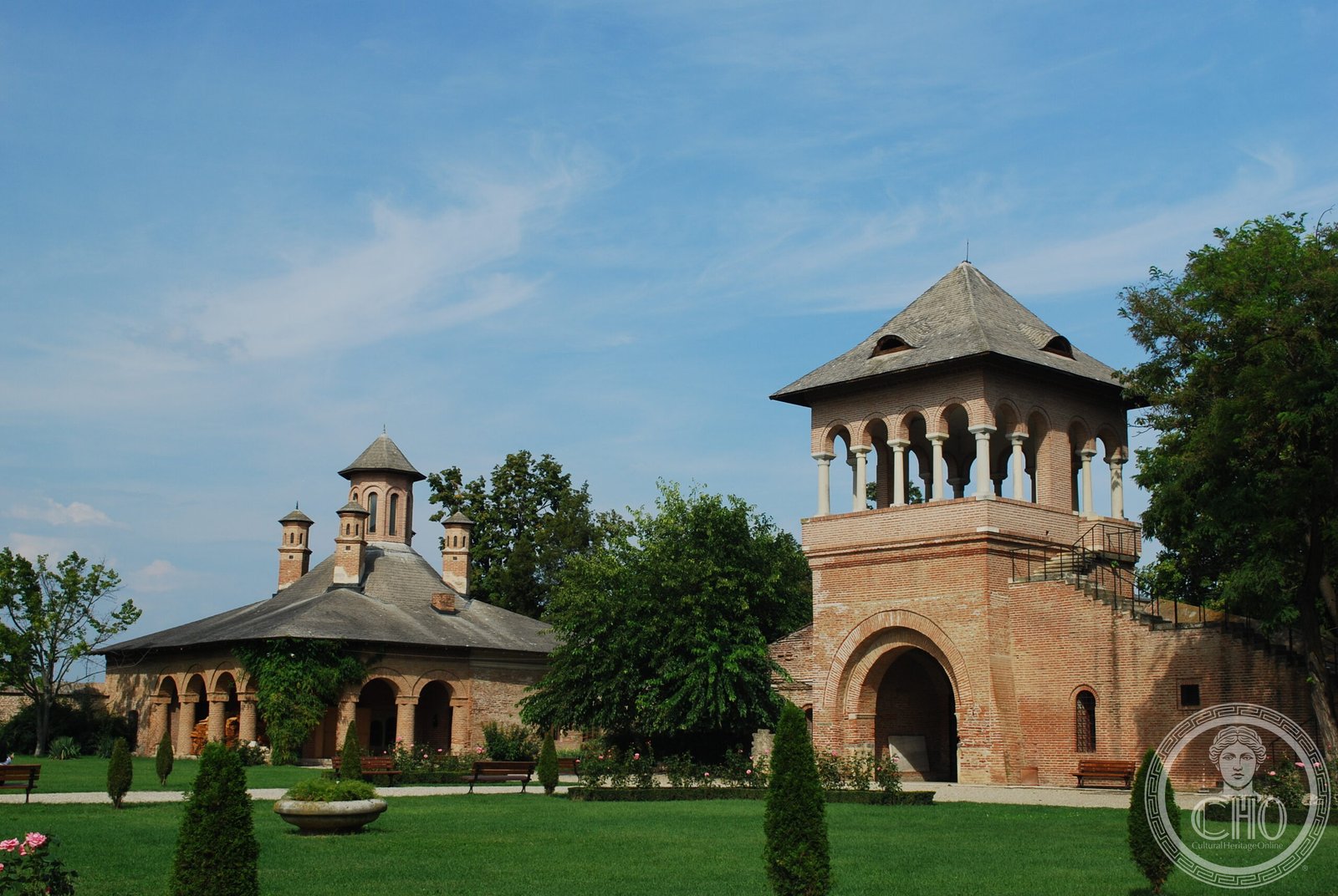
A landmark of Brâncovenesc design, this Wallachian palace showcases the distinctive Romanian Renaissance style that defined early 18th-century aristocratic architecture.
At a glance
Mogoșoaia Palace stands about 10 kilometres northwest of Bucharest, a masterwork of the Brâncovenesc style—a uniquely Romanian architectural vocabulary that merged Eastern and Western influences. Built for one of Romania’s most powerful boyars, it remains a defining monument of the period.
History
Constantin Brâncoveanu, voivode of Wallachia and a major patron of the arts, commissioned the palace between 1698 and 1702. The estate takes its name from the widow of boyar Mogoș, who originally owned the land.
What you see
The palace exemplifies the Brâncovenesc style, also known as Romanian Renaissance. This architectural language emerged during Brâncoveanu’s reign and became a model for elite residences across Wallachia, combining decorative ornament with distinctive proportions and detailing.
Cultural significance
Mogoșoaia Palace represents a pivotal moment in Romanian cultural history. It demonstrates how Wallachian nobility adapted European Renaissance principles into a distinctly local idiom, establishing aesthetic standards that influenced generations of Romanian building. The palace survives as one of the finest examples of early modern Romanian architecture.
Key facts
- Country: Romania
- City: Mogoșoaia
- Built: 1698–1702
- Patron: Constantin Brâncoveanu
- Architectural style: Brâncovenesc (Romanian Renaissance)
- Coordinates: 44.528°N, 25.993°E
- Distance from Bucharest: approximately 10 kilometres
Practical information & getting there
The palace is located in Mogoșoaia, a short drive northwest of central Bucharest. Visitors should check opening hours and access arrangements before visiting, as conditions may vary seasonally.
Sources & resources
Find it on the map
See this place and what’s around it →📷 Become a Cultural Heritage Online photographer
Share your photos of places: they stay published under your name as the author. The more they're seen, the more you get noticed — and soon a contest will reward the most appreciated photos.
Log in or sign up free to add a photoIs this page about you?
This page is read by travellers and heritage enthusiasts who find it on Google. Tell us how you are connected to this place and we will take it from there.