

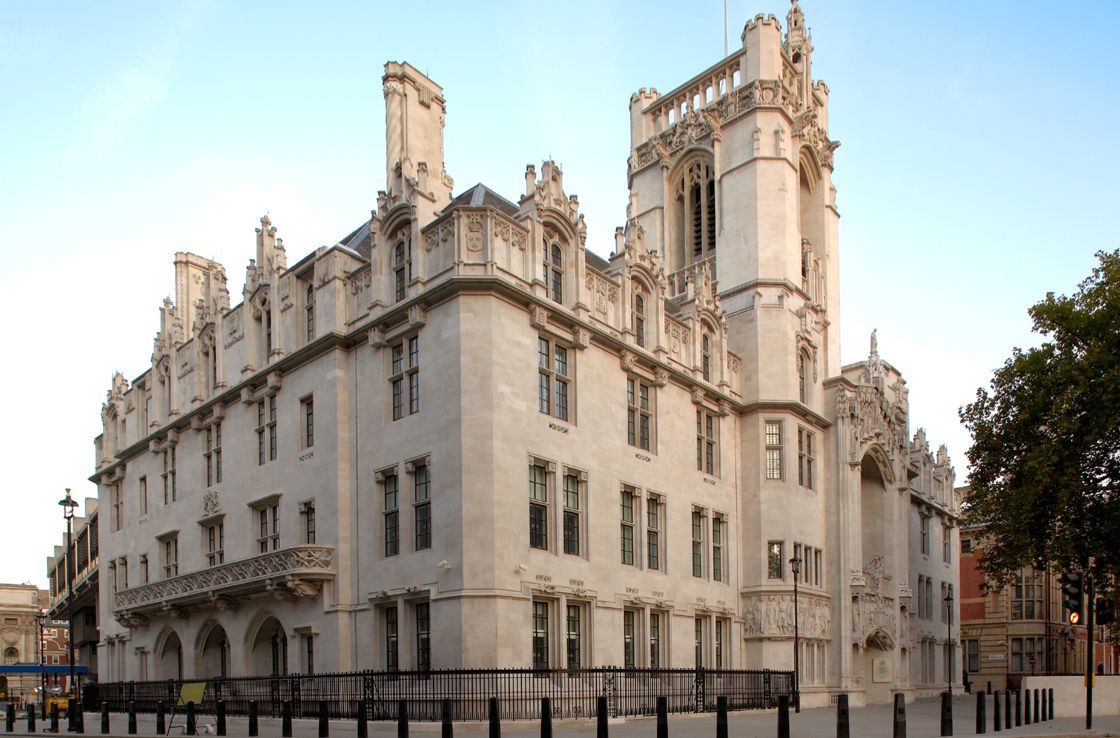
A Neo-Gothic court building on Parliament Square now home to the Supreme Court of the United Kingdom and the Judicial Committee of the Privy Council.
At a glance
The Middlesex Guildhall stands on the south-western corner of Parliament Square, near the Palace of Westminster. This Grade II* listed building has evolved from a Victorian administrative centre into one of the nation’s most important judicial institutions.
History
The building was constructed in the early 20th century as an administrative centre for Middlesex County Council and a court of quarter session. It later served as a Crown Court centre before being selected to house the Supreme Court of the United Kingdom, established in the early 21st century. The Judicial Committee of the Privy Council also occupies the building.
What you see
Designed by Scottish architect J. S. Gibson and sculpted by British artist Henry Fehr, the building exhibits Neo-Gothic style with Flemish-Burgundian references. Historic England’s assessment emphasizes these distinctive architectural influences, evident in its ornamental detailing and sculptural programme.
Cultural significance
The Middlesex Guildhall represents a significant shift in Britain’s constitutional arrangements, serving as the physical embodiment of judicial independence. Its transformation from local government seat to supreme court demonstrates the evolving role of historic buildings in accommodating modern institutional needs.
Key facts
- Country: United Kingdom
- City: City of Westminster
- Designed by: J. S. Gibson (architect); Henry Fehr (sculptor)
- Constructed: Early 20th century
- Listed status: Grade II* (1970)
- Coordinates: 51.5004, -0.128
Practical information & getting there
The building is located on Parliament Square in Westminster, adjacent to the Palace of Westminster. As a working court, access may be restricted; check the UK Supreme Court website for visitor information and opening hours.
Sources & resources
Find it on the map
See this place and what’s around it →📷 Become a Cultural Heritage Online photographer
Share your photos of places: they stay published under your name as the author. The more they're seen, the more you get noticed — and soon a contest will reward the most appreciated photos.
Log in or sign up free to add a photoIs this page about you?
This page is read by travellers and heritage enthusiasts who find it on Google. Tell us how you are connected to this place and we will take it from there.