
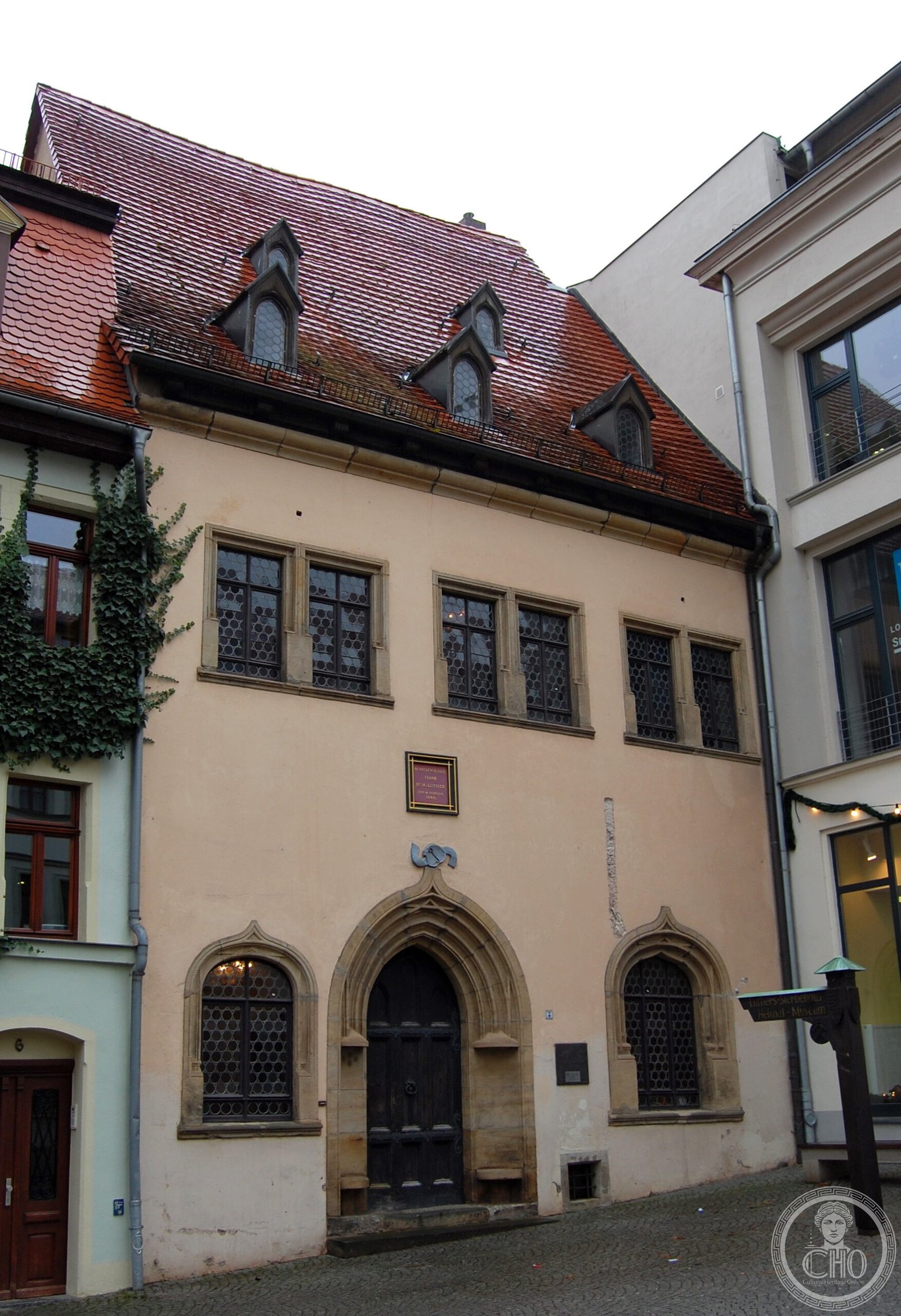
Martin Luther’s Death House
The modest residence where the theologian and Protestant reformer Martin Luther spent his final hours before his death on 18 February 1546, now preserved as a museum and UNESCO World Heritage site.
At a glance
Martin Luther’s Death House stands in Eisleben, the birthplace and final resting place of one of history’s most consequential religious figures. The building commemorates the moment when Luther’s life—marked by theological revolution and personal conviction—came to an end. Today it functions as a museum dedicated to his legacy.
History
Luther died in this house on 18 February 1546, at the age of 62. The building has long been regarded as the authentic site of his death. Its preservation reflects the enduring significance of Luther’s life and work to German Protestant identity and European intellectual history.
What you see
The structure is a historic building typical of 16th-century Eisleben architecture. While modest in scale, it carries profound historical weight as the final domestic space inhabited by the man whose ninety-five theses sparked the Reformation.
Cultural significance
Martin Luther transformed European religion and thought. His death house, alongside his birth house also in Eisleben, forms part of the material record of his influence. The UNESCO inscription recognizes the sites as essential to understanding both Luther’s personal journey and the theological upheaval he initiated.
Key facts
- Location: Eisleben, Saxony-Anhalt, Germany
- Coordinates: 51.52807, 11.54433
- Date of death: 18 February 1546
- UNESCO World Heritage site: 1996 (with Martin Luther’s Birth House and related Wittenberg sites)
- Current use: Museum
Practical information & getting there
The house now operates as a museum open to visitors seeking to understand Luther’s life and the Reformation. Eisleben is accessible by rail and road in eastern Germany. Check current opening hours and admission details before your visit.
Sources & resources
Find it on the map
See this place and what’s around it →📷 Diventa un fotografo di Cultural Heritage Online
Condividi le tue foto dei luoghi: restano pubblicate con la tua firma come autore. Più vengono viste, più ti fai conoscere — e presto un concorso premierà le foto più apprezzate.
Accedi o registrati gratis per aggiungere una fotoDo you manage this place?
This page is read by travellers and heritage enthusiasts who find it on Google. Keep it accurate — and make it work for you. Free for non-profit heritage institutions.