

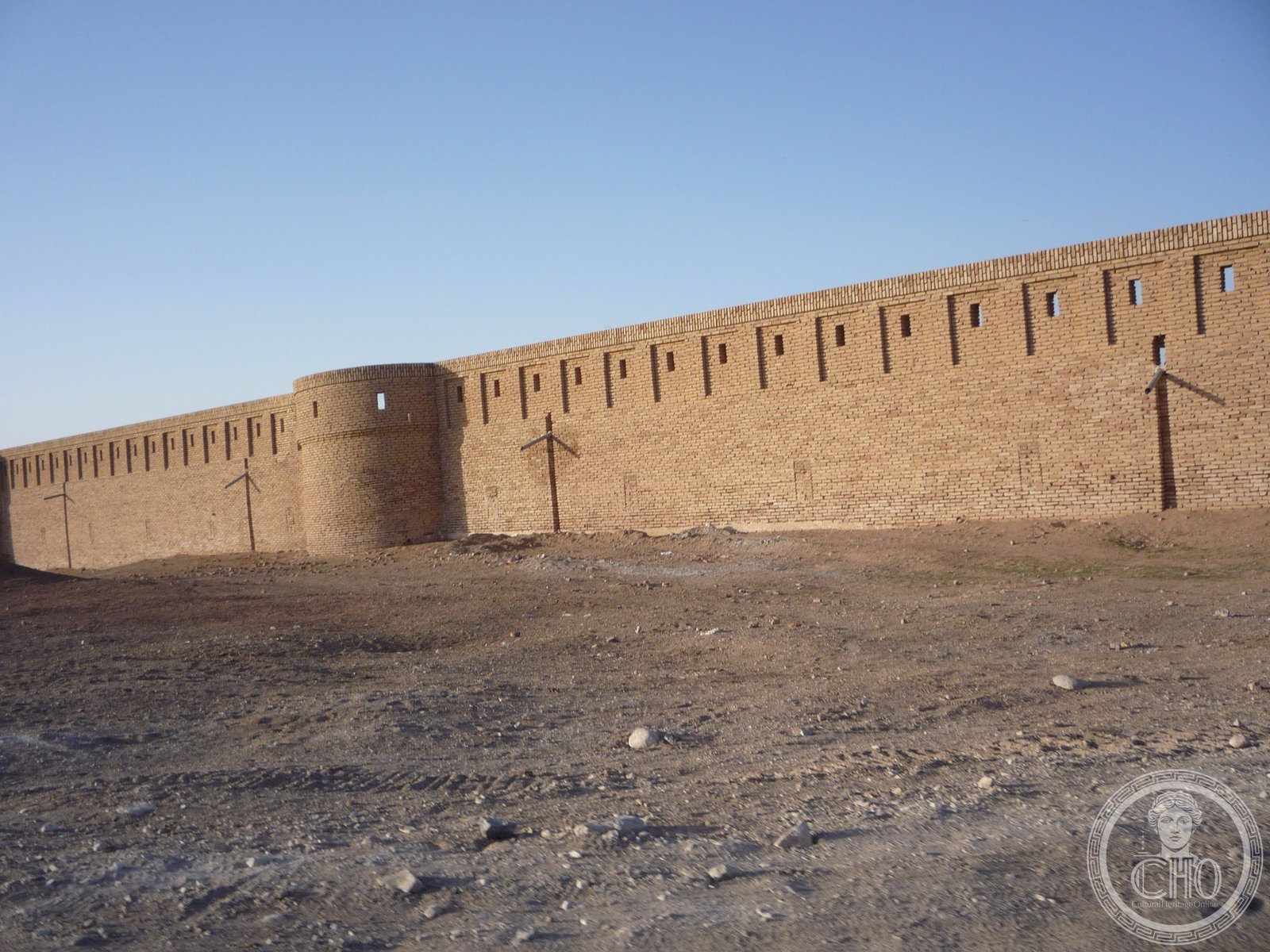
A fortified waystation built by Abbas the Great in 1603, this Safavid caravansarai served merchants crossing the Maranjab Desert between Khorasan and Isfahan.
At a glance
The Maranjab Caravansarai stands in the stark landscape of the Maranjab Desert, north of Aran and Bidgol. Constructed during the reign of Abbas the Great, it represents the infrastructure that sustained the Silk Road trade network across central Iran.
History
Abbas the Great commissioned the caravansarai in 1603. It was strategically positioned along the principal trade route connecting the northeastern province of Khorasan with Isfahan, then the Safavid capital. The structure provided essential shelter and security for merchants, their animals, and goods during the arduous desert crossing.
What you see
The caravansarai exemplifies Safavid-era fortress design, combining defensibility with the practical requirements of accommodating traveling merchants. Its layout and construction reflect the architectural standards of early 17th-century Persian trade infrastructure.
Cultural significance
The Maranjab Caravansarai embodies the economic and diplomatic ambitions of Abbas the Great’s reign. As a key monument of the Silk Road system, it testifies to the sophisticated logistics that enabled cross-continental commerce and cultural exchange during the Safavid period.
Key facts
- Country: Iran
- Region: Isfahan province, Maranjab Desert
- Constructed: 1603
- Commissioned by: Abbas the Great
- Coordinates: 34.2991° N, 51.8124° E
Practical information & getting there
The caravansarai is located north of Aran and Bidgol in Isfahan province. The Maranjab Desert presents a stark and challenging environment; plan accordingly for desert travel.
Sources & resources
Find it on the map
See this place and what’s around it →📷 Become a Cultural Heritage Online photographer
Share your photos of places: they stay published under your name as the author. The more they're seen, the more you get noticed — and soon a contest will reward the most appreciated photos.
Log in or sign up free to add a photoIs this page about you?
This page is read by travellers and heritage enthusiasts who find it on Google. Tell us how you are connected to this place and we will take it from there.