

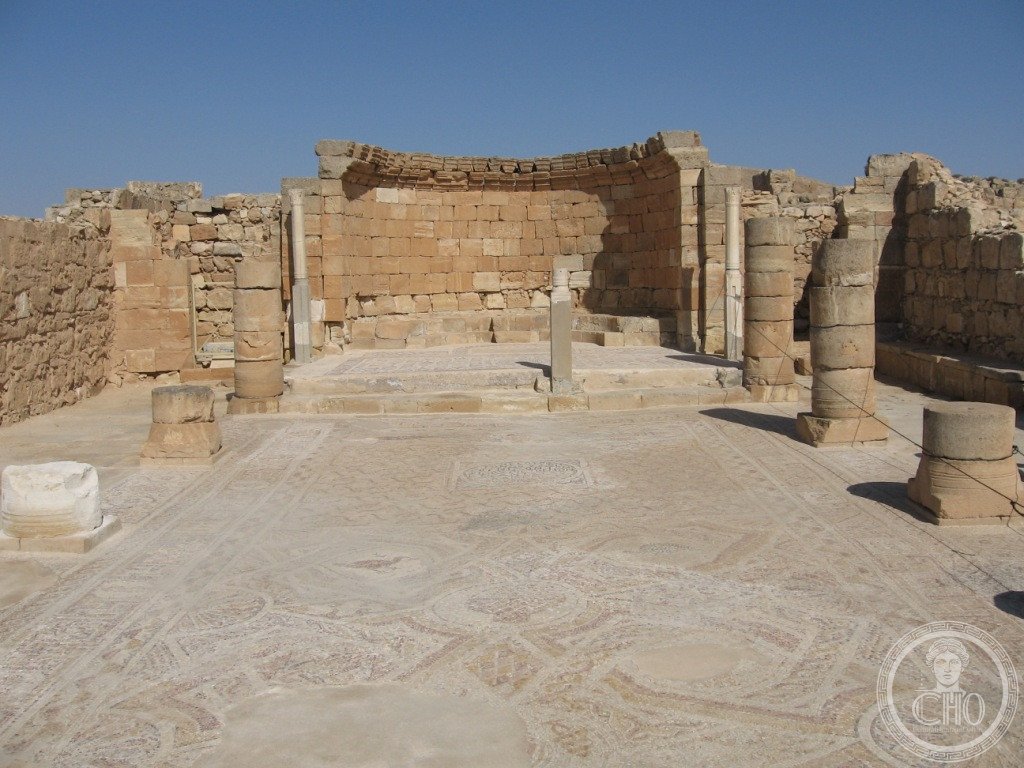
A meticulously preserved Nabataean caravan station where the spice roads once converged. Mampsis reveals the wealth and ingenuity of ancient desert merchants through its remarkably intact architecture.
At a glance
Mampsis occupies just 10 acres, making it the smallest—yet best preserved—ancient city in the Negev. Its distinctive architecture appears nowhere else in Nabataean settlements, offering scholars unique insight into regional prosperity during the incense trade era.
History
In the Nabataean period, Mampsis functioned as a crucial waystation on the Incense Road. The city connected Southern Arabia through Edom, the Arabah, and Ma’ale Akrabim to Mediterranean ports and, inland, to Jerusalem via Beersheba and Hebron. This strategic position at the intersection of major trade routes generated the wealth evident in its construction.
The settlement later became a Byzantine city, adding another layer to its cultural heritage before its eventual abandonment.
What you see
Entire streets remain intact, lined with spacious Nabataean residences that once displayed considerable luxury. The houses feature open rooms, courtyards, and terraces arranged with unusual sophistication.
Builders lavished care on every detail. Stones are meticulously chiseled, while the arches supporting ceilings demonstrate remarkable engineering skill. The reconstructed city offers visitors a tangible sense of daily life in this prosperous desert settlement.
Cultural significance
Mampsis exemplifies the commercial networks and architectural ambitions of Nabataean Arabia. Its distinctive design suggests local innovations adapted to desert conditions and mercantile needs, distinguishing it from other settlements along the incense trade routes.
Key facts
- Location: Negev Desert, Israel (31.025°N, 35.064°E)
- Size: 10 acres (40,000 m²)
- Historical periods: Nabataean and Byzantine
- UNESCO status: Part of the Incense Route – Desert Cities in the Negev World Heritage Site (inscribed June 2005), along with Haluza, Avdat, and Shivta
Practical information & getting there
The site is accessible year-round. For current opening hours, entrance fees, and guided tour availability, consult local tourism authorities or the site directly. The Negev’s climate demands sun protection and water during visits.
Sources & resources
Find it on the map
See this place and what’s around it →📷 Become a Cultural Heritage Online photographer
Share your photos of places: they stay published under your name as the author. The more they're seen, the more you get noticed — and soon a contest will reward the most appreciated photos.
Log in or sign up free to add a photoIs this page about you?
This page is read by travellers and heritage enthusiasts who find it on Google. Tell us how you are connected to this place and we will take it from there.