
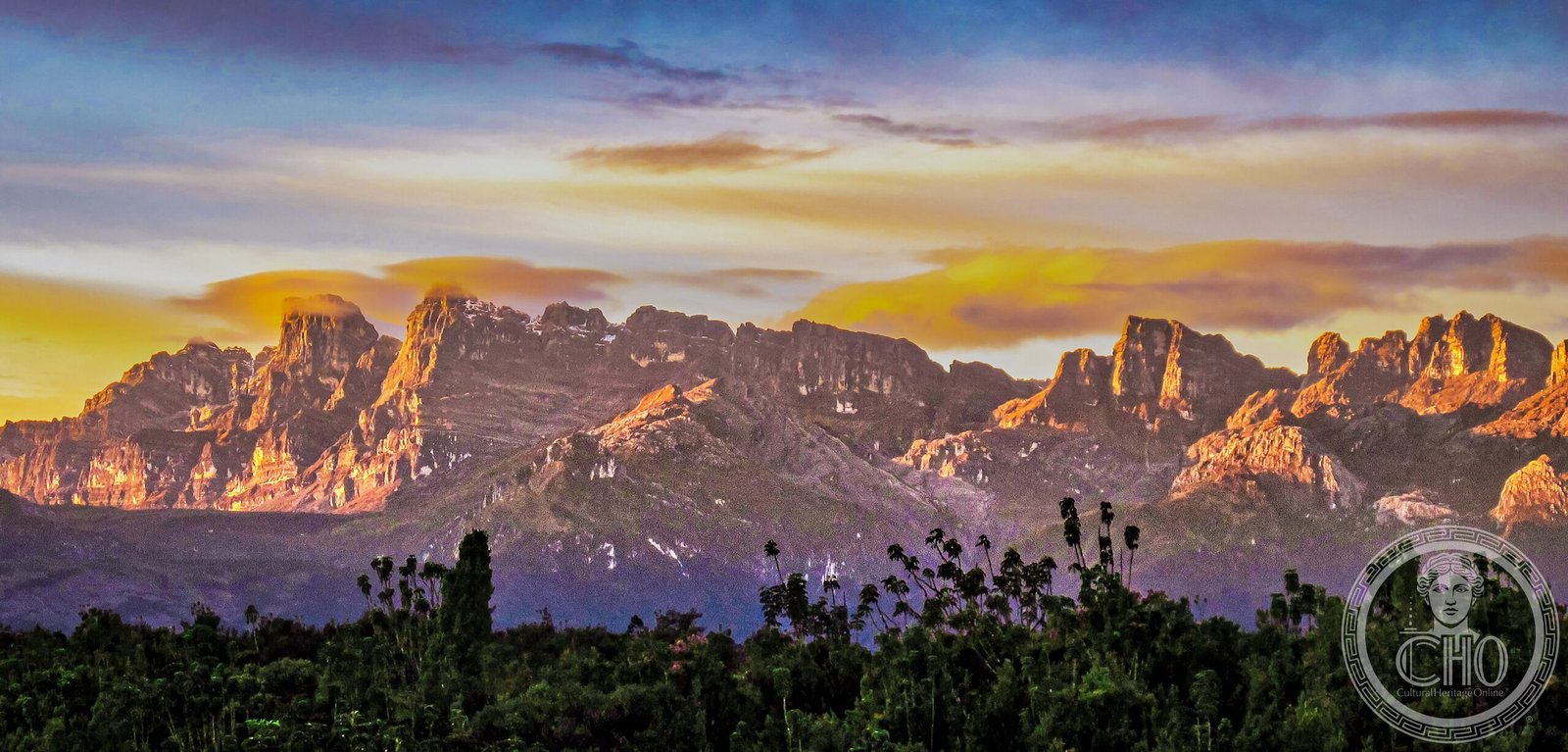
Southeast Asia’s largest national park spans a complete spectrum of ecosystems—from tropical mangroves to equatorial glaciers—making it one of the world’s most ecologically extraordinary reserves.
At a glance
Lorentz National Park encompasses 25,056 square kilometres across the provinces of Central Papua, Highland Papua and South Papua in southwestern New Guinea. Its vastness contains an unparalleled range of habitats: marine zones, mangrove swamps, rainforests at every elevation, subalpine grasslands, alpine tundra, and equatorial glaciers. Puncak Jaya, the park’s highest peak, rises to 4,884 metres—the tallest mountain between the Himalayas and the Andes.
History
The park is named after Hendrikus Albertus Lorentz, a Dutch explorer who traversed the region during his 1909–10 expedition. UNESCO recognised Lorentz as a World Heritage Site in 1999, acknowledging its exceptional natural value to humanity.
What you see
Lorentz is less a monument than a living laboratory of biodiversity. Visitors encounter ecosystems in vertical succession: tidal mangrove forests give way to lowland rainforest, which ascends into montane forest, subalpine grassland, and finally alpine tundra crowned by permanent ice. The park contains five of the World Wildlife Fund’s “Global 200” ecoregions, each distinct in flora and fauna. Many areas remain unmapped and unexplored.
Cultural significance
Birdlife International identifies Lorentz as “probably the single most important reserve in New Guinea.” Its ecological diversity rivals any protected area on Earth. The park harbours countless species unknown to Western science, alongside indigenous botanical and zoological knowledge yet to be formally documented. For conservation biology, Lorentz represents an irreplaceable natural archive.
Key facts
- Location: Central Papua, Highland Papua and South Papua, Indonesia
- Area: 25,056 km²—the largest national park in Southeast Asia
- UNESCO World Heritage Site: designated 1999
- Coordinates: -4.75°, 137.83°
- Highest peak: Puncak Jaya, 4,884 metres
Practical information & getting there
Access to Lorentz is challenging; much of the park remains difficult to reach. The region is subject to extreme weather and requires substantial planning. Check current conditions and local guides before visiting. Contact Indonesian national parks authorities for permits and practical arrangements.
Sources & resources
- Lorentz National Park — Wikipedia
- Cultural Heritage Online
Find it on the map
See this place and what’s around it →📷 Become a Cultural Heritage Online photographer
Share your photos of places: they stay published under your name as the author. The more they're seen, the more you get noticed — and soon a contest will reward the most appreciated photos.
Log in or sign up free to add a photo