
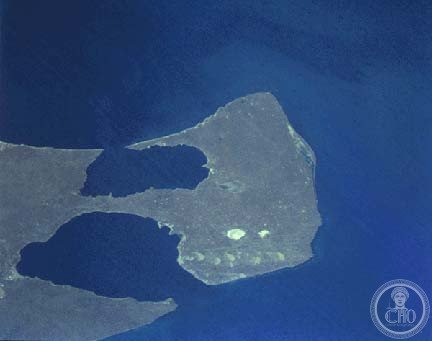
A windswept Atlantic promontory in northeast Argentina, Valdés Peninsula ranks among the world’s most significant marine and coastal ecosystems, recognized by UNESCO for its extraordinary wildlife and ecological value.
At a glance
Valdés Peninsula juts into the Atlantic Ocean, bordered by San Matías Gulf to the north. The reserve protects critical breeding and feeding grounds for marine mammals and seabirds, making it one of Argentina’s most important natural destinations.
History
The peninsula’s significance as a nature reserve grew through the twentieth century as conservationists recognized its irreplaceable ecological role. UNESCO designated it a World Heritage Site in 1999, acknowledging its global importance for biodiversity protection.
What you see
Valdés is defined by dramatic coastal cliffs, pristine beaches, and shallow bays that create ideal conditions for marine life. Visitors encounter windswept grasslands, rocky outcrops, and the raw Atlantic shoreline—a landscape shaped entirely by natural forces.
Cultural significance
The peninsula represents a critical sanctuary for Southern right whales, elephant seals, sea lions, and Magellanic penguins. It embodies Argentina’s commitment to protecting one of the Southern Hemisphere’s most productive marine environments and serves as a vital research station for marine biology and conservation science.
Key facts
- Location: Viedma Department, northeast Chubut Province, Argentina
- Coordinates: 42.5°S, 64°W
- UNESCO World Heritage Site: designated 1999
- Status: important nature reserve
Practical information & getting there
The peninsula is accessed via Puerto Madryn, approximately 80 kilometres away. Most visits are guided to protect sensitive breeding areas. Plan several days to experience the full range of wildlife and coastal landscapes. Best visiting season is September to November for marine mammal activity.
Sources & resources
Find it on the map
See this place and what’s around it →📷 Become a Cultural Heritage Online photographer
Share your photos of places: they stay published under your name as the author. The more they're seen, the more you get noticed — and soon a contest will reward the most appreciated photos.
Log in or sign up free to add a photo