
Laughing Bird Caye
A small island sanctuary off Belize’s coast, named for the laughing gulls that once nested here and now protected as a national park.
At a glance
Laughing Bird Caye National Park encompasses 1.8 acres of marine and terrestrial habitat. The island lies off the Placencia peninsula, a key landmark for coastal conservation in Belize.
History
The caye took its name from a substantial breeding population of laughing gulls that inhabited the island in earlier periods. On 21 December 1991, the site was formally declared a national park, establishing legal protection for its ecological and cultural value.
What you see
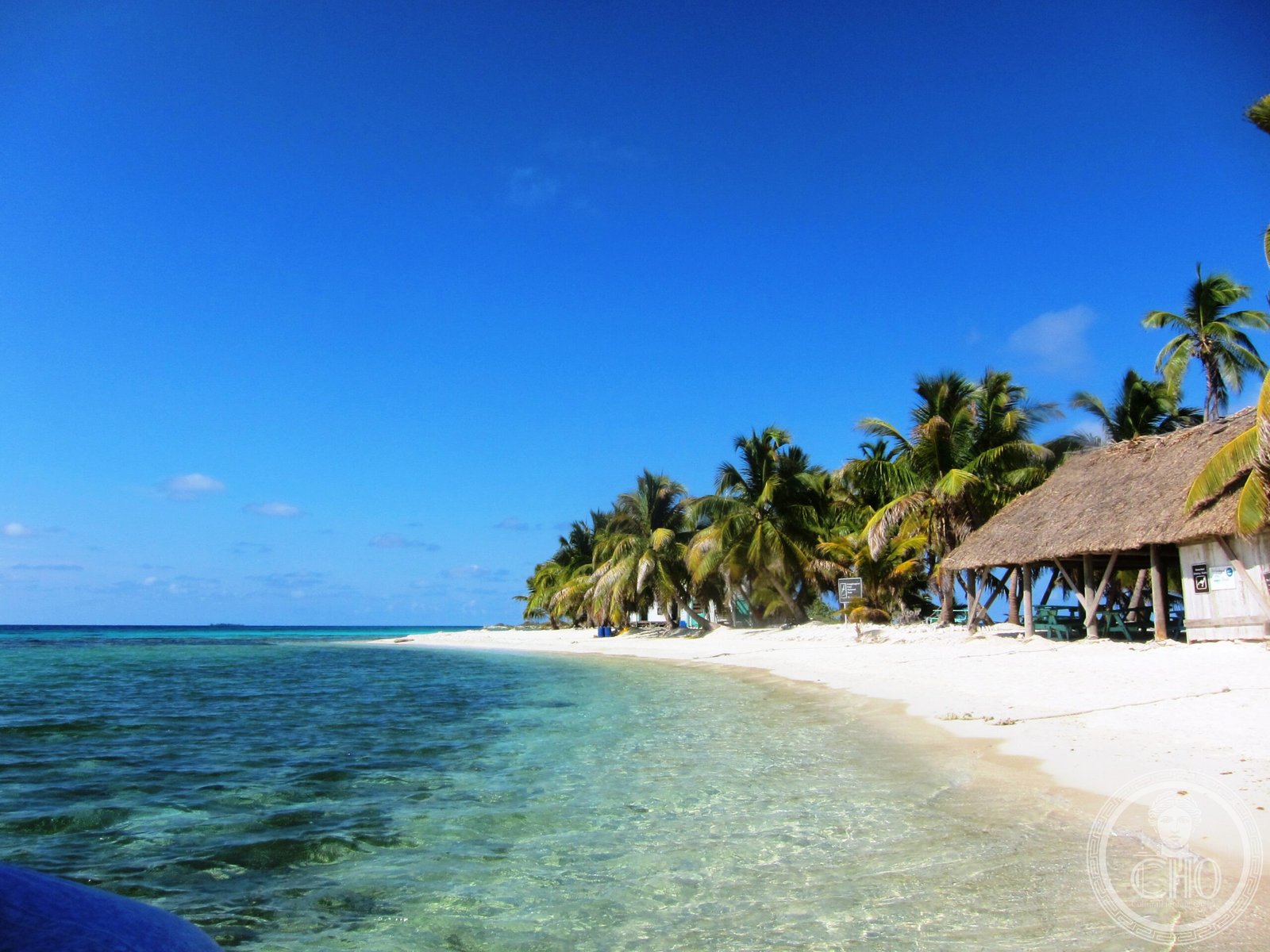
This small island supports coastal vegetation adapted to marine conditions. The landscape reflects its function as a protected natural reserve rather than a built environment.
Cultural significance
Laughing Bird Caye represents an important effort to preserve Belize’s marine biodiversity. The island’s designation as a national park reflects regional commitment to protecting nesting sites and coastal ecosystems.
Key facts
- Country: Belize
- Location: Off Placencia
- Area: 1.8 acres (0.73 ha)
- Coordinates: 16.443443, −88.19725
- National park established: 21 December 1991
Practical information & getting there
Laughing Bird Caye is accessible by boat from Placencia. Check local conditions and park regulations before visiting. Consult current travel advisories for access information.
Sources & resources
Find it on the map
See this place and what’s around it →📷 Diventa un fotografo di Cultural Heritage Online
Condividi le tue foto dei luoghi: restano pubblicate con la tua firma come autore. Più vengono viste, più ti fai conoscere — e presto un concorso premierà le foto più apprezzate.
Accedi o registrati gratis per aggiungere una fotoDo you manage this place?
This page is read by travellers and heritage enthusiasts who find it on Google. Keep it accurate — and make it work for you. Free for non-profit heritage institutions.