

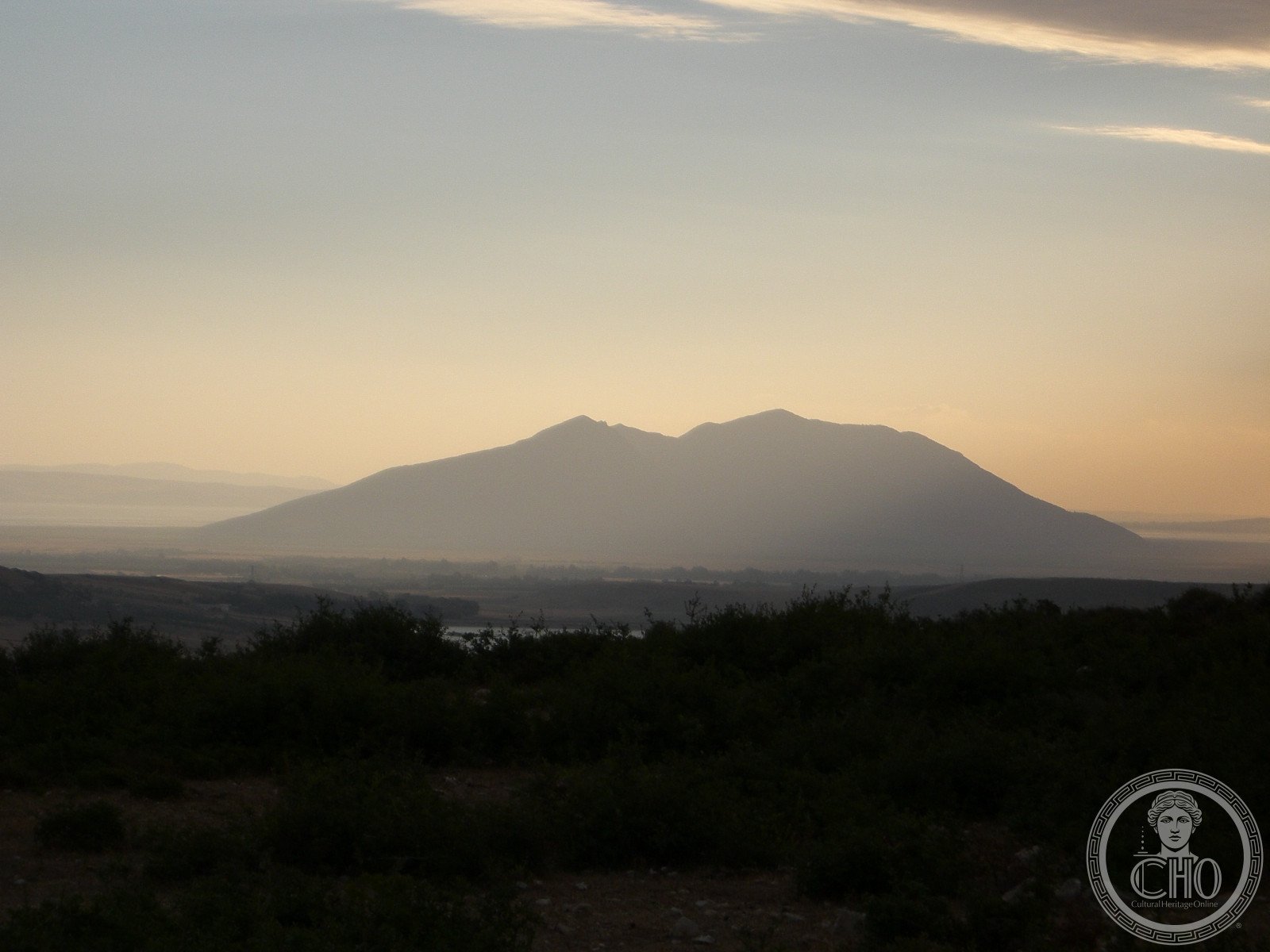
A vital wetland sanctuary in northern Tunisia where hundreds of thousands of migratory birds rest each year, from flamingoes to storks.
At a glance
Lake Ichkeul and its surrounding wetlands form one of the Mediterranean’s most significant staging grounds for avian migration. Located 20 kilometres southwest of Bizerte, the lake draws ducks, geese, storks, and pink flamingoes during their seasonal journeys. The site’s ecological importance lies in its role as a critical refuge for exhausted travellers undertaking long transcontinental flights.
History
Lake Ichkeul has long served as a natural crossroads for migratory species following ancient flight routes across Africa and Eurasia. The establishment of Ichkeul National Park formally recognized the site’s conservation value, protecting the lake and its wetlands for future generations.
What you see
The landscape comprises shallow waters, reed beds, and marshy expanses that create ideal conditions for waterfowl. Seasonal variations dramatically alter the lake’s appearance—water levels and vegetation shift as birds arrive and depart with the changing year.
Cultural significance
Lake Ichkeul holds profound ecological importance for Mediterranean and African bird populations. The wetlands represent an irreplaceable ecosystem where thousands of species depend on consistent water availability and habitat quality for survival during migration. The site exemplifies the interconnected nature of continental habitats and the vulnerability of wildlife to human intervention.
Key facts
- Location: 20 kilometres southwest of Bizerte, northern Tunisia
- Coordinates: 37.12°N, 9.65°E
- Primary inhabitants: Migratory birds including ducks, geese, storks, and pink flamingoes
- Designation: Ichkeul National Park protects the lake and surrounding wetlands
Practical information & getting there
Lake Ichkeul lies approximately 20 kilometres from Bizerte, Tunisia’s northernmost Mediterranean port city. The site is accessed via Ichkeul National Park, which encompasses the lake and its wetlands. The best visiting season for observing migratory bird populations is autumn and spring when species transit between African and European ranges.
Sources & resources
Find it on the map
See this place and what’s around it →📷 Become a Cultural Heritage Online photographer
Share your photos of places: they stay published under your name as the author. The more they're seen, the more you get noticed — and soon a contest will reward the most appreciated photos.
Log in or sign up free to add a photo