
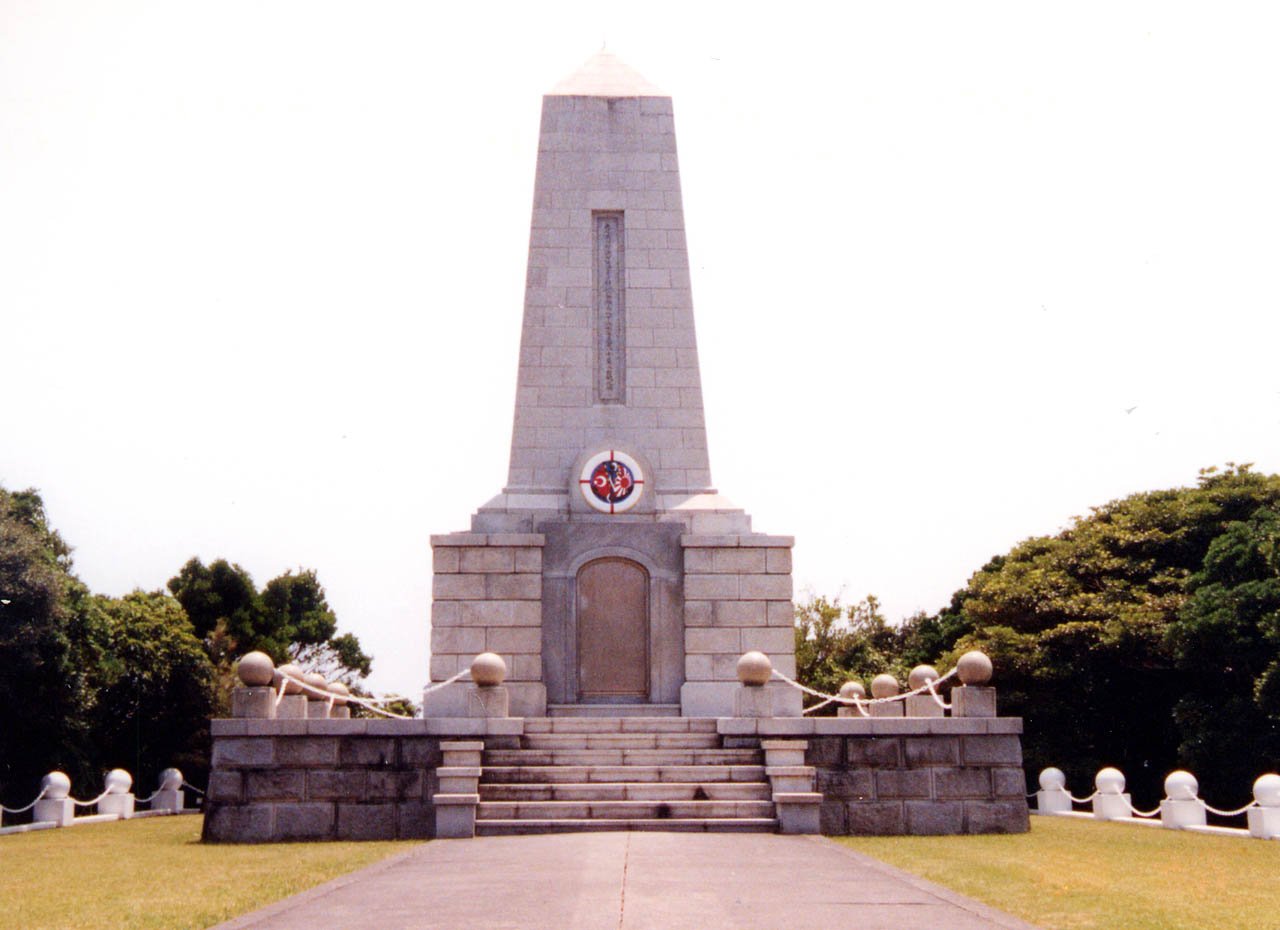
On a rocky point near the Kashinosaki Lighthouse, a monument and small museum recall the night an Ottoman frigate broke apart on the reefs below, and the friendship it left behind.
At a glance
The site commemorates the Ertuğrul, an Ottoman Navy frigate that sank off Kii Ōshima in 1890 while returning from a goodwill visit to Japan. A cemetery and monument mark the burial place of recovered sailors, and a museum opened in 1974 tells the story through recovered objects and photographs. It sits within Kushimoto, Wakayama, on Japan’s Pacific coast.
History
Ertuğrul was built in 1863 as a sailing frigate of the Ottoman Navy. She left Istanbul in July 1889 carrying around 600 officers and sailors on a diplomatic voyage to Japan. After a three-month stay, she departed Yokohama for home. Stormy weather struck near midnight on September 16, 1890. The vessel hit reefs off Kii Ōshima and broke apart. Only six officers and 63 sailors survived, most injured; survivors were later carried home aboard two Japanese corvettes, received by Sultan Abdul Hamid II in January 1891. In February 1891, 150 recovered bodies were buried in a newly established cemetery. The first monument followed that September, on the disaster’s anniversary. A second stone came in 1929, visited by Emperor Hirohito soon after. Turkey’s government then proposed a larger memorial. Construction began in October 1936, and the finished monument opened in June 1937 with the Turkish ambassador in attendance.
What you see
The memorial complex is modest, built for remembrance rather than grandeur. Visitors find the monument standing roughly 400 meters from the wreck site, close to the working Kashinosaki Lighthouse and the sea that caused the disaster. Nearby, the museum holds items fishermen first pulled from the wreckage: personal belongings, photographs of officers and crew, and a model of the frigate itself. A later addition honors Mustafa Kemal Atatürk, founder of the Turkish Republic. Objects from Kushimoto’s twin cities in Turkey, Mersin and Yakakent, are also on display, linking the exhibit to present-day ties between the two nations.
Cultural significance
Few disasters have shaped a bilateral relationship quite like this one. The rescue and repatriation of survivors became a founding story of Turkish-Japanese friendship, still cited in diplomatic visits today. Turkish officials regularly pay tribute here when in Japan. A related monument stands in Ünye, on Turkey’s Black Sea coast, honoring local sailors who died aboard Ertuğrul; it opened in 2014, with a Turkish naval crew present. The Kushimoto site ranks among the region’s most visited attractions, a testament to how deeply the story resonates locally.
Key facts
- Location: Kushimoto, Wakayama Prefecture, Japan
- Commemorates: sinking of the Ottoman frigate Ertuğrul, September 16, 1890
- First monument erected: September 15, 1891
- Current monument built: 1936–1937
- Museum opened: December 14, 1974
- Related monument: Ünye, Ordu Province, Turkey (opened 2014)
Practical information & getting there
The memorial sits on the coast near the Kashinosaki Lighthouse in Kushimoto. Admission to the monument itself is free. The museum keeps regular hours, open from 9:00 to 17:00 local time. Plan for coastal winds; the site faces open water. Allow time to walk between the cemetery, monument, and museum, as they form one small complex rather than a single building.
Sources & resources
Find it on the map
See this place and what’s around it →📷 Become a Cultural Heritage Online photographer
Share your photos of places: they stay published under your name as the author. The more they're seen, the more you get noticed — and soon a contest will reward the most appreciated photos.
Log in or sign up free to add a photoIs this page about you?
This page is read by travellers and heritage enthusiasts who find it on Google. Tell us how you are connected to this place and we will take it from there.