
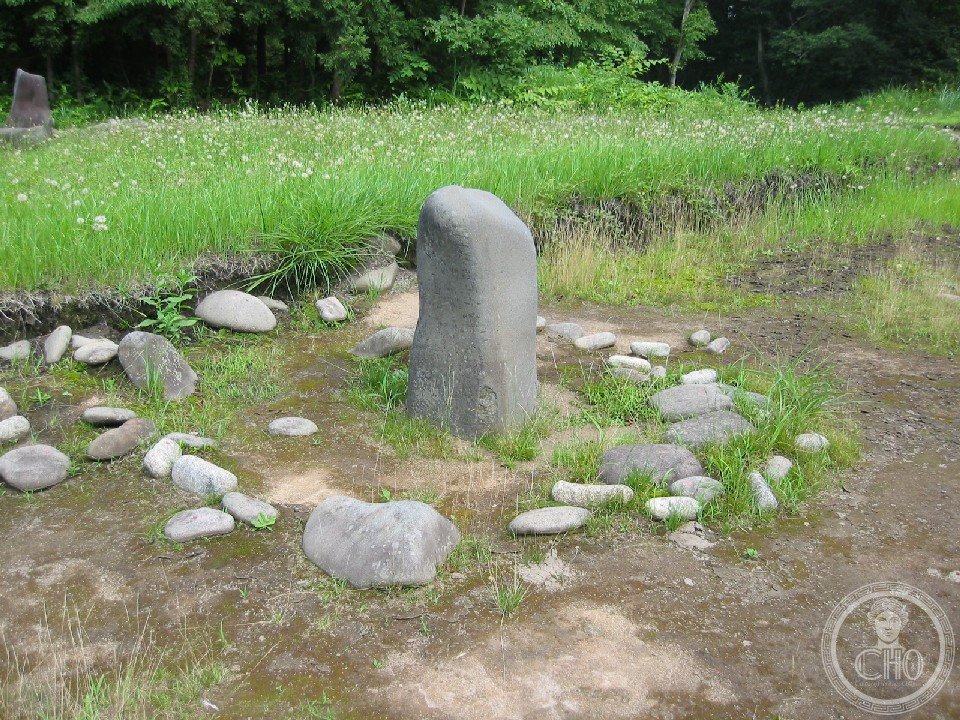
An archaeological site preserving the remains of a late Jōmon period settlement in northern Japan, revealing patterns of life during one of the archipelago’s most significant prehistoric eras.
At a glance
Komakino is an open-air settlement site dating to approximately 2000–1500 BC. The excavated remains document daily life during the late Jōmon period, when hunting, fishing, and gathering sustained Japanese communities. Designated a National Historic Site in 1995, it stands as an important record of prehistoric settlement patterns in the Tōhoku region.
History
The Komakino Site reveals occupation during the late Jōmon period, a transformative era in Japanese prehistory. This phase preceded the introduction of rice agriculture and represents a sophisticated hunter-gatherer society. Archaeological investigation has uncovered evidence of habitation structures and domestic activities spanning centuries. The site was formally protected by the Japanese government through designation as a National Historic Site in 1995, recognizing its significance for understanding regional settlement development.
What you see
Visitors encounter an open archaeological landscape with marked excavation areas. The site reveals post holes, storage pits, and scattered artifacts indicating structures and daily activities. Interpretive signage contextualizes the remains within the broader Jōmon cultural tradition. The physical evidence—pottery fragments, stone tools, and settlement patterns—illustrates how people adapted to and organized life in this northern landscape.
Cultural significance
Komakino contributes essential knowledge about late Jōmon society in northern Japan. The settlement demonstrates established communities with organized spatial planning and resource management. Its proximity to the larger Sannai-Maruyama Site allows comparative study of contemporary settlements, strengthening understanding of regional demographic and social structures during this prehistoric period.
Key facts
- Country: Japan
- Location: Aomori, Aomori Prefecture, Tōhoku region
- Coordinates: 40.7375°N, 140.728°E
- Period: Late Jōmon (c. 2000–1500 BC)
- Designation: National Historic Site (1995)
- Distance to Sannai-Maruyama Site: approximately 20 minutes by car south
Practical information & getting there
The Komakino Site is located in Aomori city in northern Japan’s Tōhoku region. It lies approximately 20 minutes by car south of the prominent Sannai-Maruyama Site. For current visiting hours, seasonal access, and on-site facilities, consult local tourist information or the Aomori city website.
Sources & resources
Find it on the map
See this place and what’s around it →📷 Become a Cultural Heritage Online photographer
Share your photos of places: they stay published under your name as the author. The more they're seen, the more you get noticed — and soon a contest will reward the most appreciated photos.
Log in or sign up free to add a photoIs this page about you?
This page is read by travellers and heritage enthusiasts who find it on Google. Tell us how you are connected to this place and we will take it from there.