
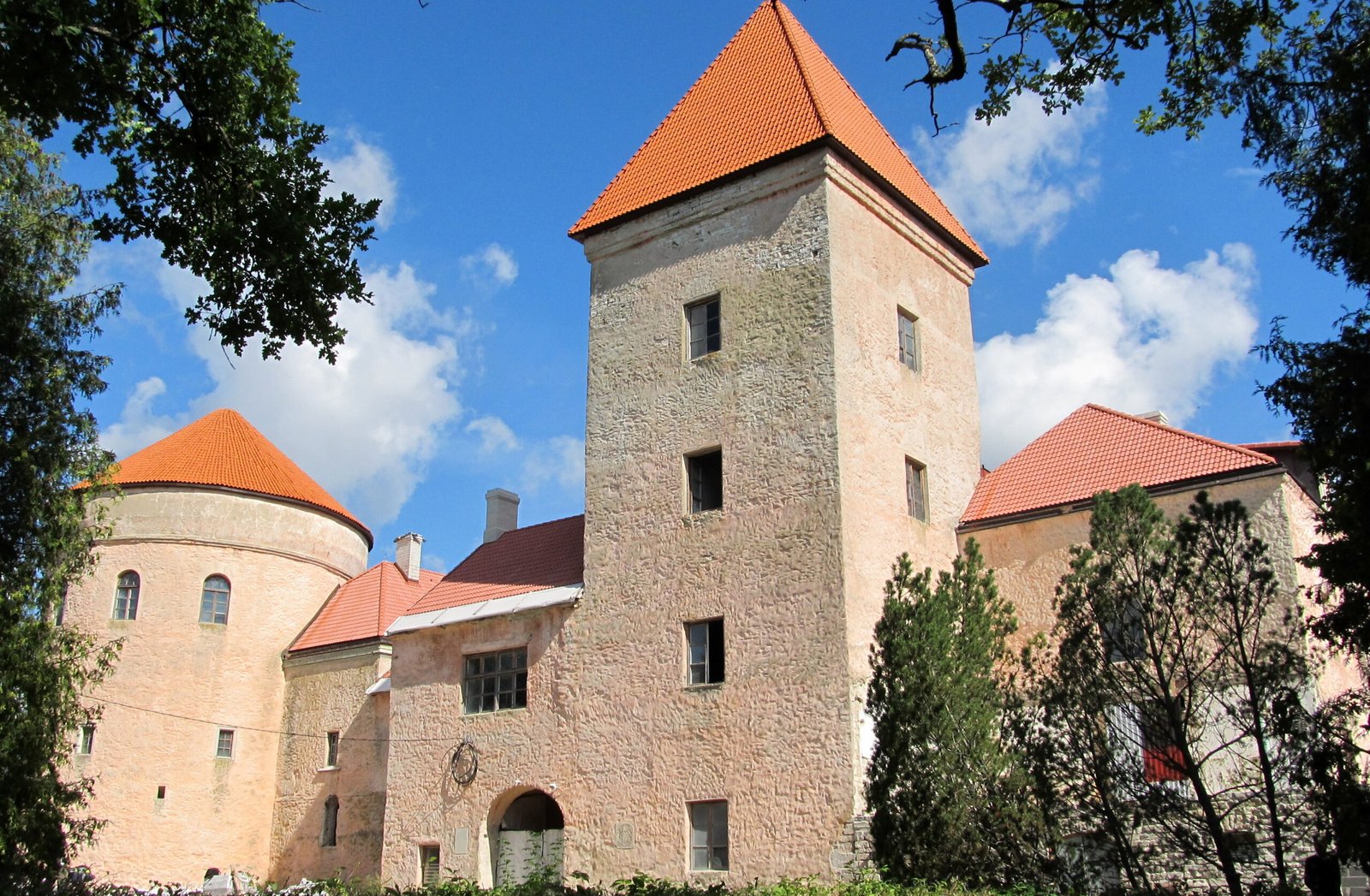
An episcopal fortress in western Estonia, Koluvere Castle stands as a testament to the region’s medieval religious authority and defensive architecture.
At a glance
Koluvere Castle, known in German as Schloss Lohde, is a fortified residence in Koluvere, Lääne County. Built by the local bishop, it represents the ecclesiastical power structure of medieval Estonia. The castle combines defensive military architecture with the practical needs of episcopal administration.
History
The castle served as a seat of episcopal authority in western Estonia. As a bishop’s castle, it functioned both as a fortress and administrative center for the diocese. The structure reflects the dual role of the medieval Estonian church—spiritual guidance paired with temporal power and territorial defense.
What you see
The fortress exemplifies medieval Baltic architecture adapted to local conditions and available materials. Its design prioritizes defensive capabilities while accommodating the residential and administrative functions required of an episcopal residence. The castle’s layout and construction methods reflect the cultural exchange between Estonian, German, and broader European architectural traditions of the period.
Cultural significance
Koluvere Castle documents the institutional history of the Catholic Church in medieval Estonia and the broader political structures that shaped the region. Episcopal castles were rare and powerful symbols—this one illustrates how religious authority was expressed through architecture and fortification in the Baltic territories during the Middle Ages.
Key facts
- Location: Koluvere, Lääne County, western Estonia
- Coordinates: 58.905602, 24.104237
- Type: Episcopal castle
- Also known as: Koluvere piiskopilinnus (Estonian); Schloss Lohde (German)
Practical information & getting there
Koluvere is situated in Lääne County in western Estonia. Detailed opening hours, admission fees, and current accessibility information should be confirmed before visiting. The site’s location in rural Estonia means advance planning is recommended for travel logistics.
Sources & resources
Find it on the map
See this place and what’s around it →📷 Become a Cultural Heritage Online photographer
Share your photos of places: they stay published under your name as the author. The more they're seen, the more you get noticed — and soon a contest will reward the most appreciated photos.
Log in or sign up free to add a photoIs this page about you?
This page is read by travellers and heritage enthusiasts who find it on Google. Tell us how you are connected to this place and we will take it from there.