

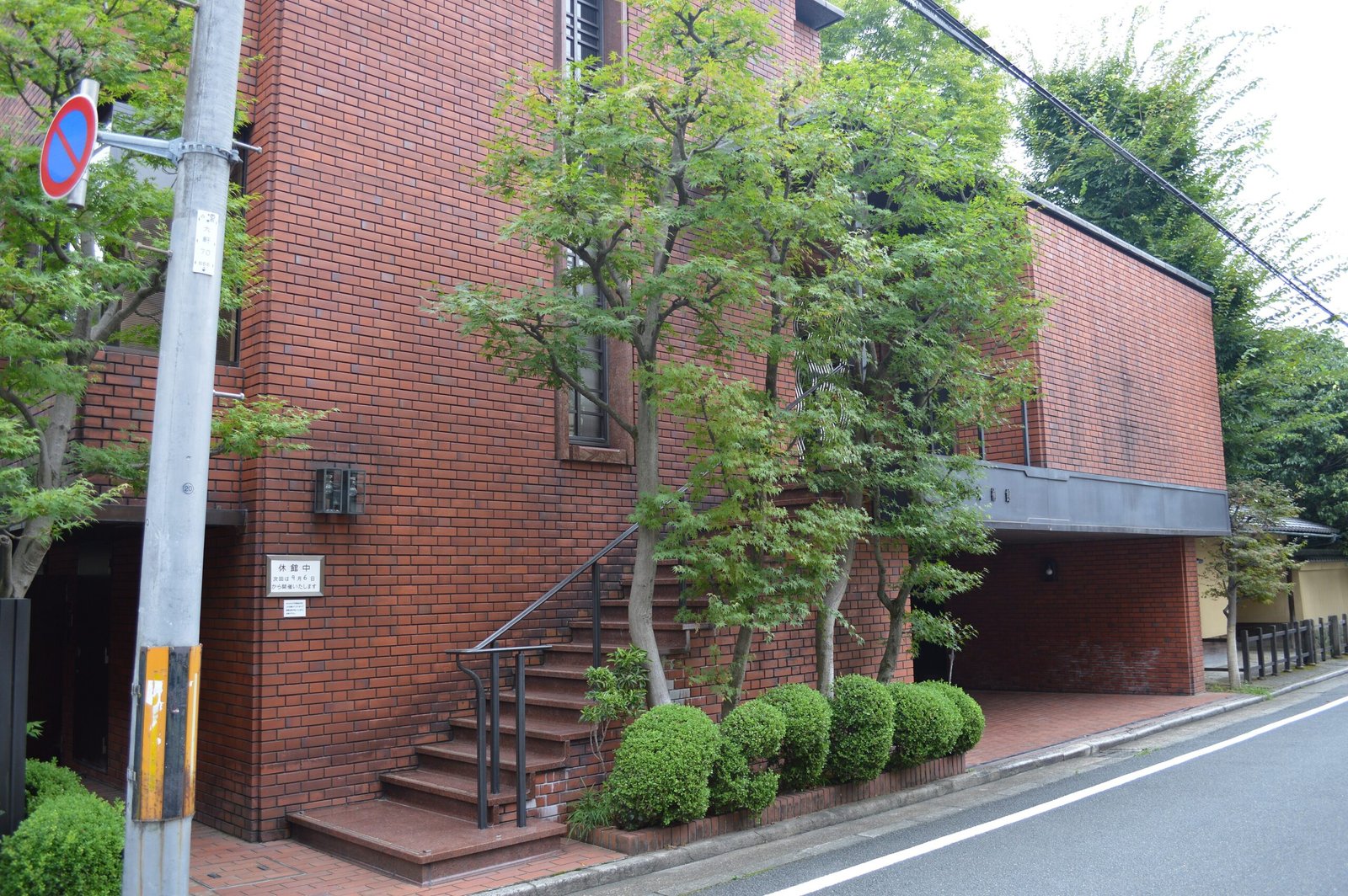
A private collection of tea utensils and decorative arts displayed in a museum overlooking the confluence of two rivers in central Kyoto, open to the public for curated exhibitions twice yearly.
At a glance
The Kitamura Museum holds approximately 1,000 works assembled by businessman Kitamura Kinjirō, with particular emphasis on tea ceremony objects. Thirty-three pieces carry the status of Important Cultural Property, while nine are designated Important Art Objects. The museum sits adjacent to Shikunshien, a tea garden that is itself a Registered Cultural Property.
History
The museum opened in 1977 near the confluence of the Kamo and Takano Rivers. Its collection originated from the connoisseurship of businessman Kitamura Kinjirō, whose acquisitions reflect decades of engagement with Japanese decorative arts and tea culture.
What you see
The museum displays its holdings in rotating seasonal exhibitions. Visitors encounter tea utensils—bowls, vessels, and implements central to the chanoyu (tea ceremony) tradition—alongside paintings, calligraphy, and other decorative arts. The adjoining Shikunshien garden offers insight into the aesthetic principles that governed tea culture and influenced the objects within.
Cultural significance
The collection represents Japan’s reverence for tea ceremony aesthetics and the connoisseurship traditions that shaped taste among the merchant class. The preservation of both the artworks and the accompanying garden demonstrates how physical space and objects together sustained a refined artistic practice spanning centuries.
Key facts
- Country: Japan
- City: Kyoto
- Founded: 1977
- Collection: Approximately 1,000 works including 33 Important Cultural Properties and 9 Important Art Objects
- Notable feature: Shikunshien tea garden (Registered Cultural Property)
- Coordinates: 35.028039, 135.770411
Practical information & getting there
The museum opens to the public for exhibitions during autumn and spring seasons. The site is located near the meeting point of the Kamo and Takano Rivers in central Kyoto. Consult the museum’s current schedule before planning your visit.
Sources & resources
Find it on the map
See this place and what’s around it →📷 Become a Cultural Heritage Online photographer
Share your photos of places: they stay published under your name as the author. The more they're seen, the more you get noticed — and soon a contest will reward the most appreciated photos.
Log in or sign up free to add a photoIs this page about you?
This page is read by travellers and heritage enthusiasts who find it on Google. Tell us how you are connected to this place and we will take it from there.