

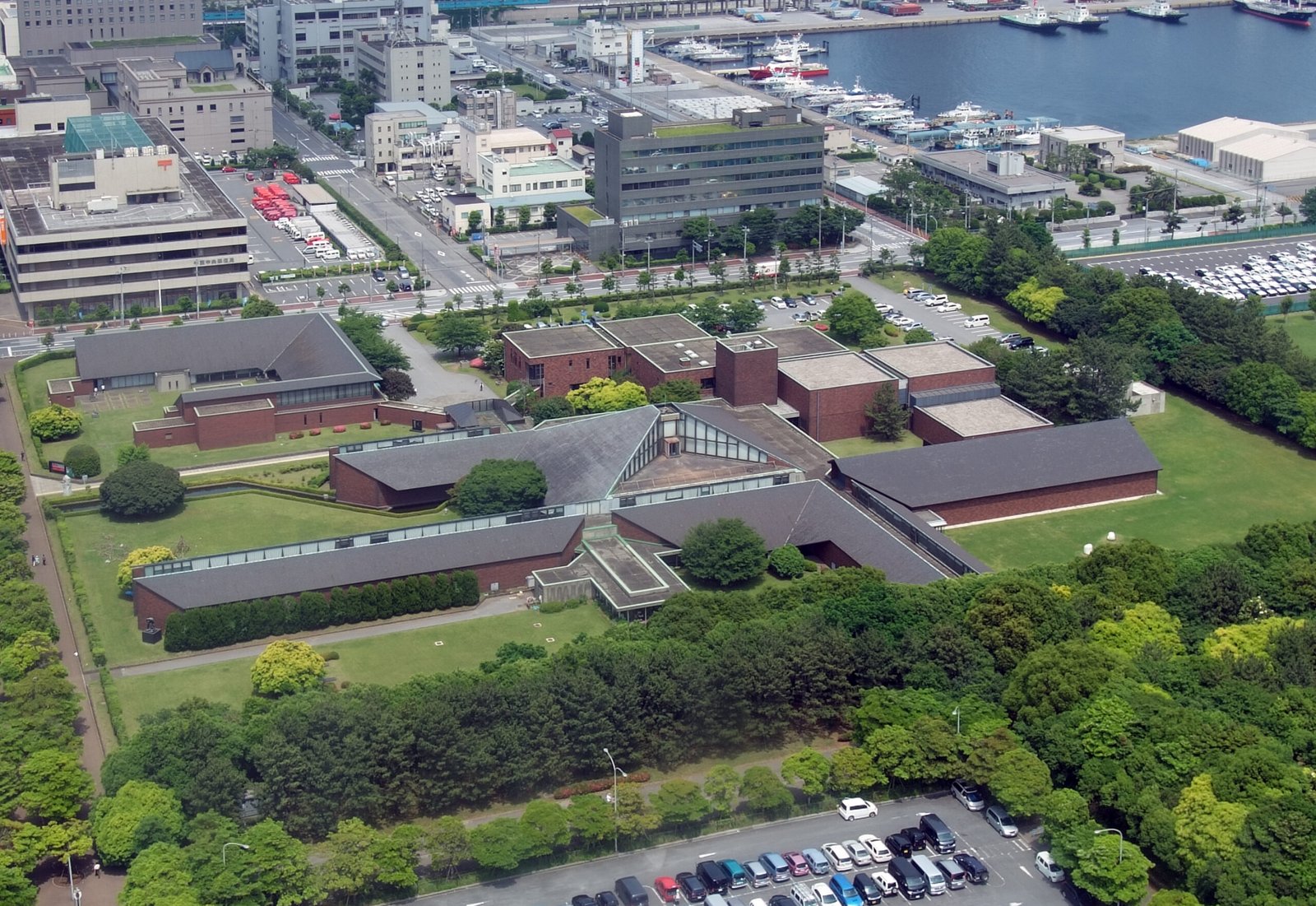
A modern art museum devoted to works by local artists and those with ties to Chiba Prefecture, housing paintings spanning from 19th-century European masters to contemporary regional practitioners.
At a glance
Chiba Prefectural Museum of Art is a mid-20th-century institution dedicated to collecting and presenting work rooted in the Chiba region. Its curatorial focus on local artistic voices distinguishes it within Japan’s museum landscape, while its European holdings anchor the collection in global contexts.
History
The museum opened in 1974, establishing itself as a keeper of Chiba’s artistic heritage. Its founding collection prioritized works by artists born or based in the prefecture, creating a portrait of regional artistic production across centuries.
What you see
The collections span painting traditions from the 19th century onward. Works by Japanese artists including Asai Chū sit alongside European masterpieces—paintings by John Everett Millais, Jean-Baptiste-Camille Corot, and the Italian pedagogue Antonio Fontanesi—creating dialogues between schools and periods.
Cultural significance
The museum validates local artistic achievement by placing regional artists in conversation with internationally recognized figures. This approach challenges the Tokyo-centric view of Japanese art history and demonstrates how provincial centers sustained vital creative traditions.
Key facts
- Opened 1974
- Location: Chiba, Chiba Prefecture, Japan
- Coordinates: 35.601165, 140.100947
- Focus: Local artists and artists with Chiba connections
- Notable holdings: Works by Asai Chū, Millais, Corot, and Antonio Fontanesi
Practical information & getting there
The museum is located in Chiba Prefecture in the Kantō region, accessible from Tokyo via regional rail services. Standard museum hours and current exhibitions can be verified through the institution’s official channels before planning a visit.
Sources & resources
Find it on the map
See this place and what’s around it →📷 Become a Cultural Heritage Online photographer
Share your photos of places: they stay published under your name as the author. The more they're seen, the more you get noticed — and soon a contest will reward the most appreciated photos.
Log in or sign up free to add a photoIs this page about you?
This page is read by travellers and heritage enthusiasts who find it on Google. Tell us how you are connected to this place and we will take it from there.