
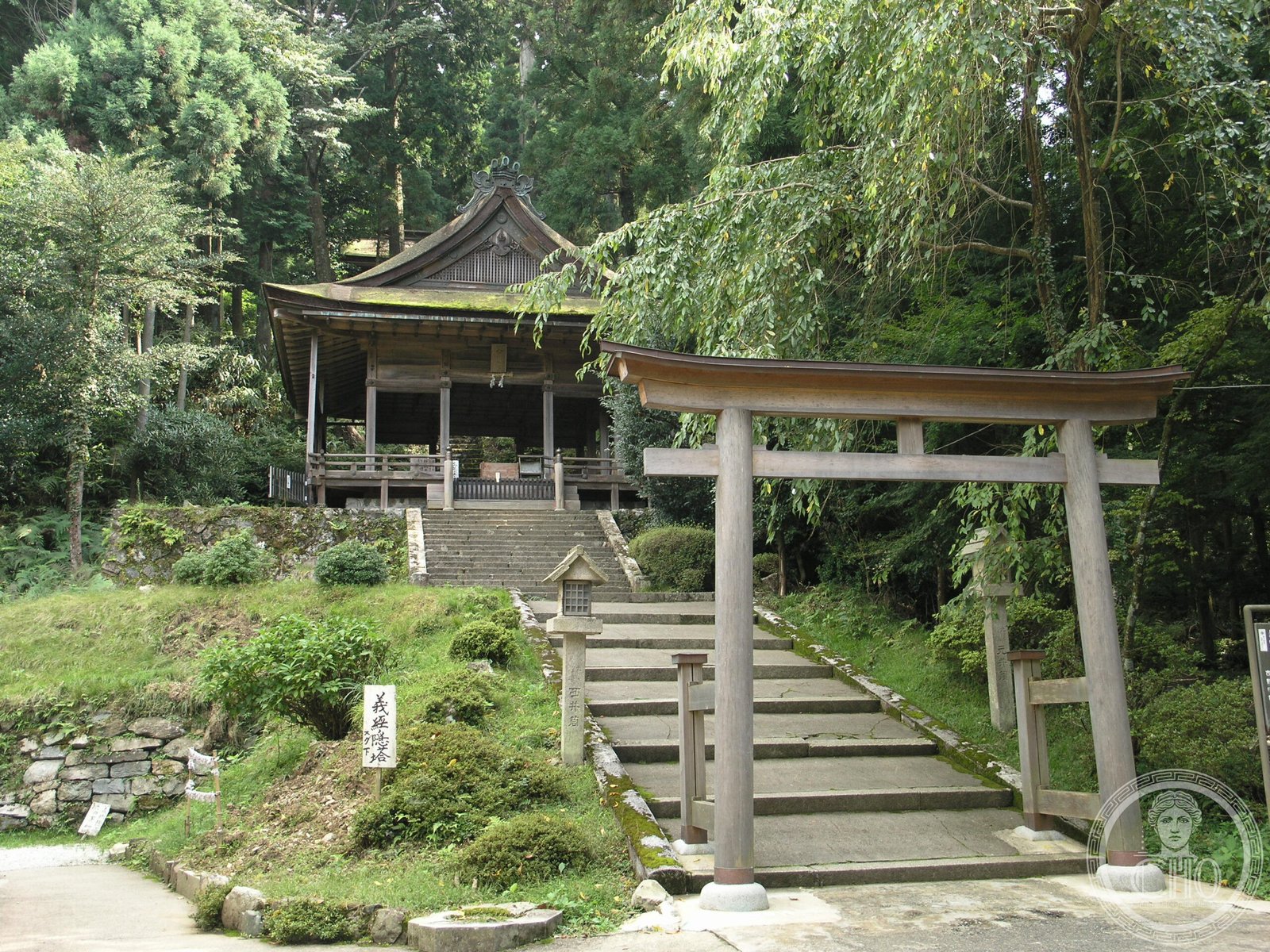
A Shinto shrine in the Yoshino district, Kinpu Shrine features a main hall built in the traditional nagare-zukuri architectural style and forms part of a UNESCO-designated sacred pilgrimage route through the Kii Mountains.
At a glance
Kinpu Shrine is a Shinto shrine situated in Yoshino district, Nara Prefecture. The shrine’s honden, or main hall, exemplifies the nagare-zukuri style, an architectural form characteristic of Shinto sacred spaces. It has been recognized internationally as part of a broader cultural landscape of spiritual significance.
History
In 2004, Kinpu Shrine was designated as part of the UNESCO World Heritage Site “Sacred Sites and Pilgrimage Routes in the Kii Mountain Range,” acknowledging its place within Japan’s network of sacred pilgrimage destinations.
What you see
The shrine’s primary structure is its honden, constructed in the nagare-zukuri style. This architectural tradition, characterized by its distinctive sloped roof extending forward over the veranda, represents a refined approach to Shinto shrine design that remains visible in the building today.
Cultural significance
Kinpu Shrine holds significance as part of Japan’s sacred Shinto landscape. Its inclusion in the UNESCO World Heritage designation reflects the importance of the Kii Mountain Range pilgrimage routes, which have sustained spiritual and cultural traditions across centuries.
Key facts
- Country: Japan
- Location: Yoshino district, Nara Prefecture
- Coordinates: 34.34277778, 135.88166667
- UNESCO World Heritage Site: Sacred Sites and Pilgrimage Routes in the Kii Mountain Range (2004)
- Architecture: Nagare-zukuri style main hall
Practical information & getting there
Kinpu Shrine is located in Yoshino district in Nara Prefecture. Detailed visiting information, opening hours, and access routes can be found through local tourism resources for the Kii Mountain region.
Sources & resources
Find it on the map
See this place and what’s around it →📷 Become a Cultural Heritage Online photographer
Share your photos of places: they stay published under your name as the author. The more they're seen, the more you get noticed — and soon a contest will reward the most appreciated photos.
Log in or sign up free to add a photoIs this page about you?
This page is read by travellers and heritage enthusiasts who find it on Google. Tell us how you are connected to this place and we will take it from there.