

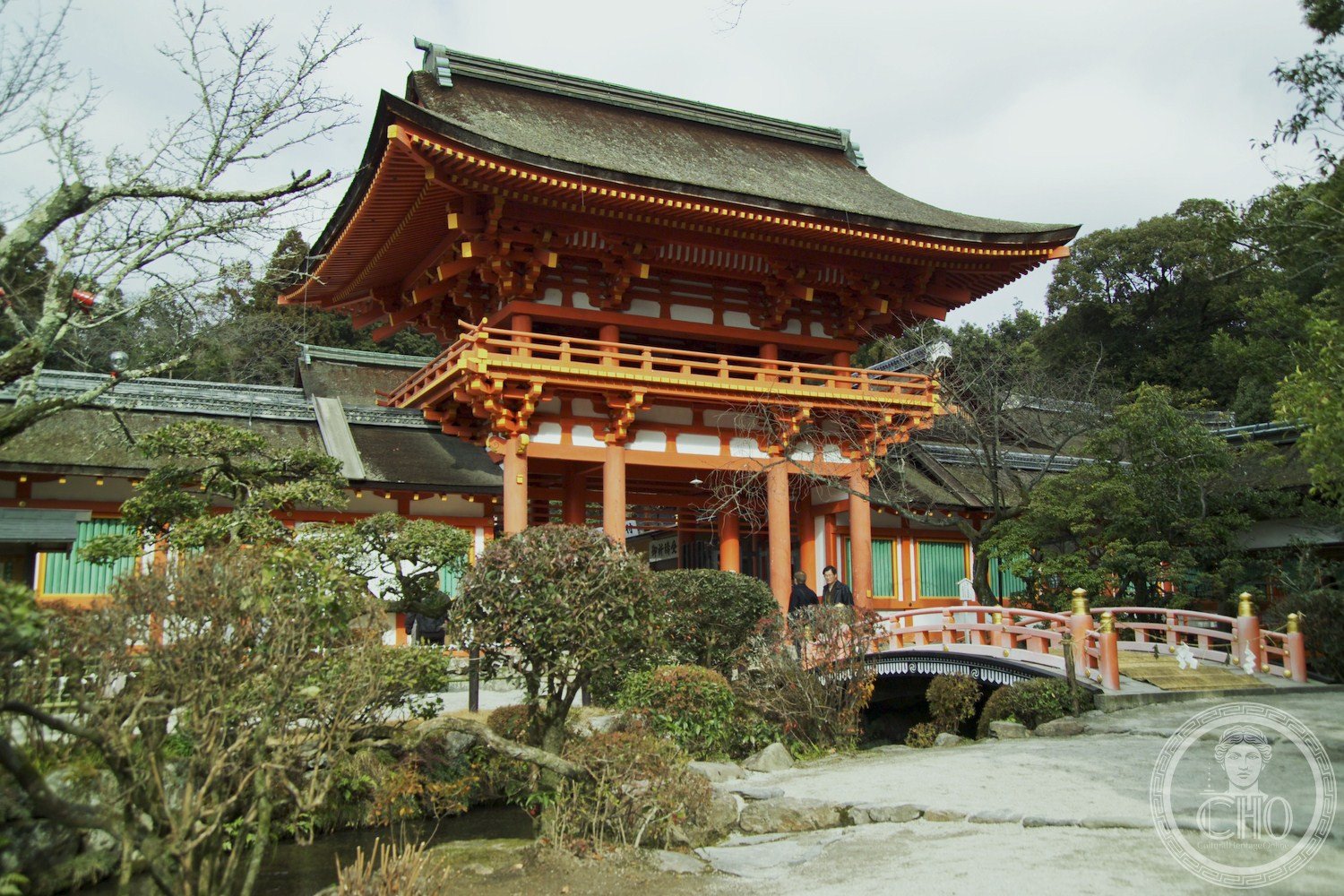
One of Japan’s oldest Shinto sanctuaries, Kamigamo Shrine stands on the Kamo River in north Kyoto as a guardian against malign influences and a repository of sacred forest heritage.
At a glance
Kamigamo Shrine, formally known as the Kamo-wakeikazuchi Shrine, ranks among Japan’s most ancient Shinto sanctuaries. Founded in 678, it remains an active place of worship and pilgrimage, intimately connected to Kyoto’s spiritual and civic identity.
History
The shrine was established in 678, making it one of Japan’s oldest Shinto institutions. Historically linked with Shimogamo Shrine, Kamigamo forms part of the Kamo-jinja complex, a pair of shrines traditionally dedicated to protecting Kyoto from spiritual harm. The site’s roots run deep into the Kamo clan, the area’s early inhabitants, many of whom have lived near the shrine across generations.
What you see
The shrine occupies a landscape shaped by Tadasu no Mori, a sacred woods that represents remnants of a primeval forest. This natural setting provides spiritual and physical context for the sanctuary’s ritual functions and continues to define the shrine’s character and ceremonial spaces.
Cultural significance
Kamigamo Shrine is dedicated to Kamo Wake-ikazuchi, the kami of thunder. The shrine’s name references both this divine presence and the broader Kamo family of deities venerated within its precincts. As one of seventeen Historic Monuments of Ancient Kyoto designated as a UNESCO World Heritage Site, it represents a critical layer of Japan’s religious and cultural continuity.
Key facts
- Founded: 678
- Location: Kyoto, Japan
- Coordinates: 35.0603, 135.7528
- UNESCO World Heritage Site (Historic Monuments of Ancient Kyoto)
- Deity: Kamo Wake-ikazuchi (kami of thunder)
Practical information & getting there
Kamigamo Shrine remains an active pilgrimage site and is open to visitors. Consult local Kyoto tourism resources for current visiting hours, transportation options, and any seasonal ceremonies or events.
Sources & resources
Find it on the map
See this place and what’s around it →📷 Become a Cultural Heritage Online photographer
Share your photos of places: they stay published under your name as the author. The more they're seen, the more you get noticed — and soon a contest will reward the most appreciated photos.
Log in or sign up free to add a photoIs this page about you?
This page is read by travellers and heritage enthusiasts who find it on Google. Tell us how you are connected to this place and we will take it from there.