
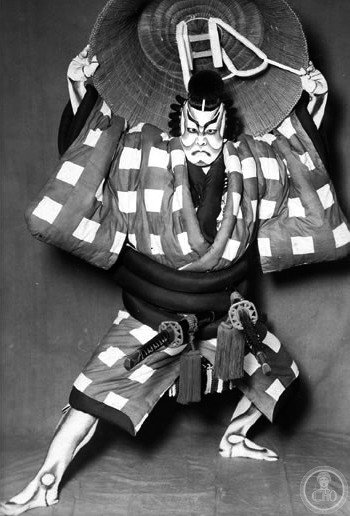
Kabuki is a classical form of Japanese theatre that fuses dramatic performance with traditional dance, renowned for its heavily stylised acting, glamorous costumes, and the striking kumadori make-up worn by performers.
At a glance
Kabuki represents one of Japan’s most visually distinctive theatrical traditions. The art combines elaborate storytelling with refined movement, using a highly codified vocabulary of gesture, posture, and expression that has evolved over centuries. All-male casts perform both male and female roles, a convention established in the 17th century that remains central to the form.
Origins and history
Kabuki is thought to have originated in the early Edo period through the work of Izumo no Okuni, who formed a female dance troupe performing dances and light sketches in Kyoto. The art form developed into its present all-male theatrical format after women were banned from performing in 1629. Throughout the late 17th century, kabuki evolved and diversified, reaching its artistic and cultural zenith during the mid-18th century, when many of its classic plays and performance conventions were established.
The tradition today
Contemporary kabuki maintains its commitment to traditional aesthetics while continuing to interpret both classical and newer works. Performers train for years to master the precise physicality and vocal techniques the form demands. The distinctive kumadori make-up—bold geometric patterns applied to the face—remains essential to character definition and is instantly recognisable worldwide.
Cultural significance
Kabuki embodies centuries of Japanese artistic refinement and continues to serve as a living link to Edo-period aesthetics and values. The tradition preserves specific performance lineages through families of actors, ensuring knowledge passes between generations. Its influence extends throughout Japanese culture and has inspired artists and performers internationally.
Key facts
- Country: Japan
- Anchor community: Tokyo
- UNESCO inscription: Representative List of the Intangible Cultural Heritage of Humanity (2008)
- Founder: Izumo no Okuni (early Edo period)
- Women banned from performing: 1629
- Peak artistic period: Mid-18th century
Where to experience it
Tokyo remains the primary centre for kabuki performance and training. You can experience kabuki at traditional theatres throughout the city, where performances range from full-length classics to shorter pieces. Many venues offer programmes with English subtitles or audio guides to aid international visitors.
Sources & resources
Find it on the map
See this place and what’s around it →📷 Become a Cultural Heritage Online photographer
Share your photos of places: they stay published under your name as the author. The more they're seen, the more you get noticed — and soon a contest will reward the most appreciated photos.
Log in or sign up free to add a photo