
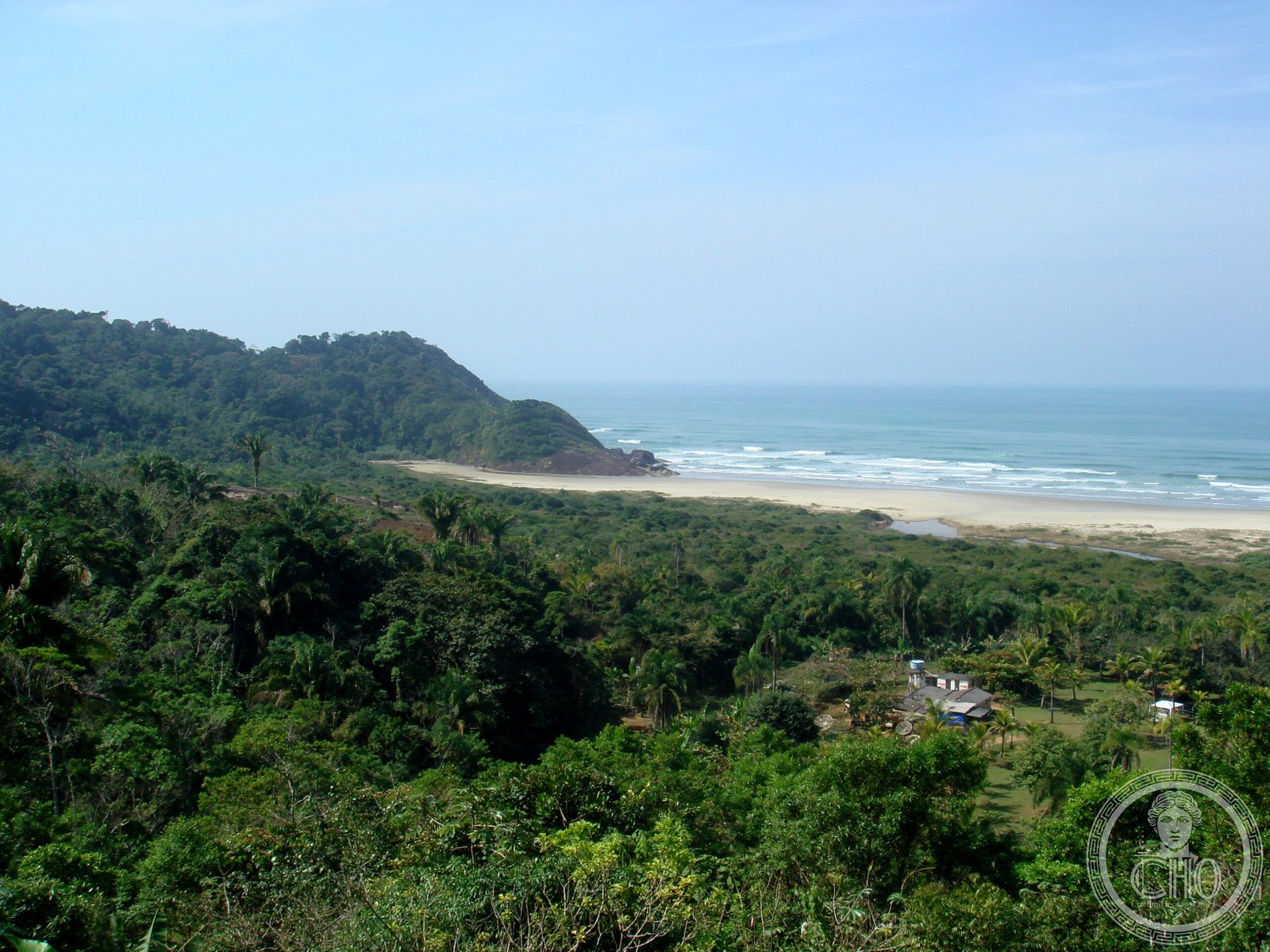
A protected Atlantic Forest reserve on Brazil’s southern coastal plain, safeguarding endangered wildlife and pristine ecosystems.
At a glance
The Jureia-Itatins Ecological Station is a strictly protected nature reserve spanning coastal plains and mountainous terrain in São Paulo state. It preserves one of Brazil’s most biodiverse regions—the Atlantic Forest and its associated ecosystems—providing critical habitat for endangered mammals and birds found nowhere else on Earth.
History
Established as an ecological station to arrest the decline of the Atlantic Forest biome, the reserve represents Brazil’s commitment to biodiversity conservation in one of the world’s most threatened tropical ecosystems. The designation as a protected area reflects decades of scientific recognition of the region’s ecological importance.
What you see
The landscape encompasses pristine Atlantic Forest across varied terrain—from coastal lowlands to inland mountains—creating distinct ecological zones. Native vegetation and wildlife remain largely undisturbed within the reserve’s boundaries, though human activity outside the station poses ongoing challenges to ecosystem integrity.
Cultural significance
The station embodies Brazil’s scientific and conservation heritage, demonstrating the country’s efforts to protect one of Earth’s most biodiverse yet vulnerable forest systems. Its preservation serves as a living laboratory for understanding Atlantic Forest ecology and species recovery.
Key facts
- Country: Brazil
- Location: São Paulo state
- Coordinates: -24.468, -47.299
- Designation: Ecological Station (ESEC)
- Protected ecosystem: Atlantic Forest and associated habitats
- Notable wildlife: Endangered mammal and bird species
Practical information & getting there
The ecological station is located in southern São Paulo state along the Atlantic coast. As a fully protected reserve, access is restricted to maintain ecosystem integrity. Visitors interested in Atlantic Forest conservation should contact local environmental authorities or visit regional nature centers for information on scientific access and guided programs.
Sources & resources
Find it on the map
See this place and what’s around it →📷 Become a Cultural Heritage Online photographer
Share your photos of places: they stay published under your name as the author. The more they're seen, the more you get noticed — and soon a contest will reward the most appreciated photos.
Log in or sign up free to add a photoIs this page about you?
This page is read by travellers and heritage enthusiasts who find it on Google. Tell us how you are connected to this place and we will take it from there.