
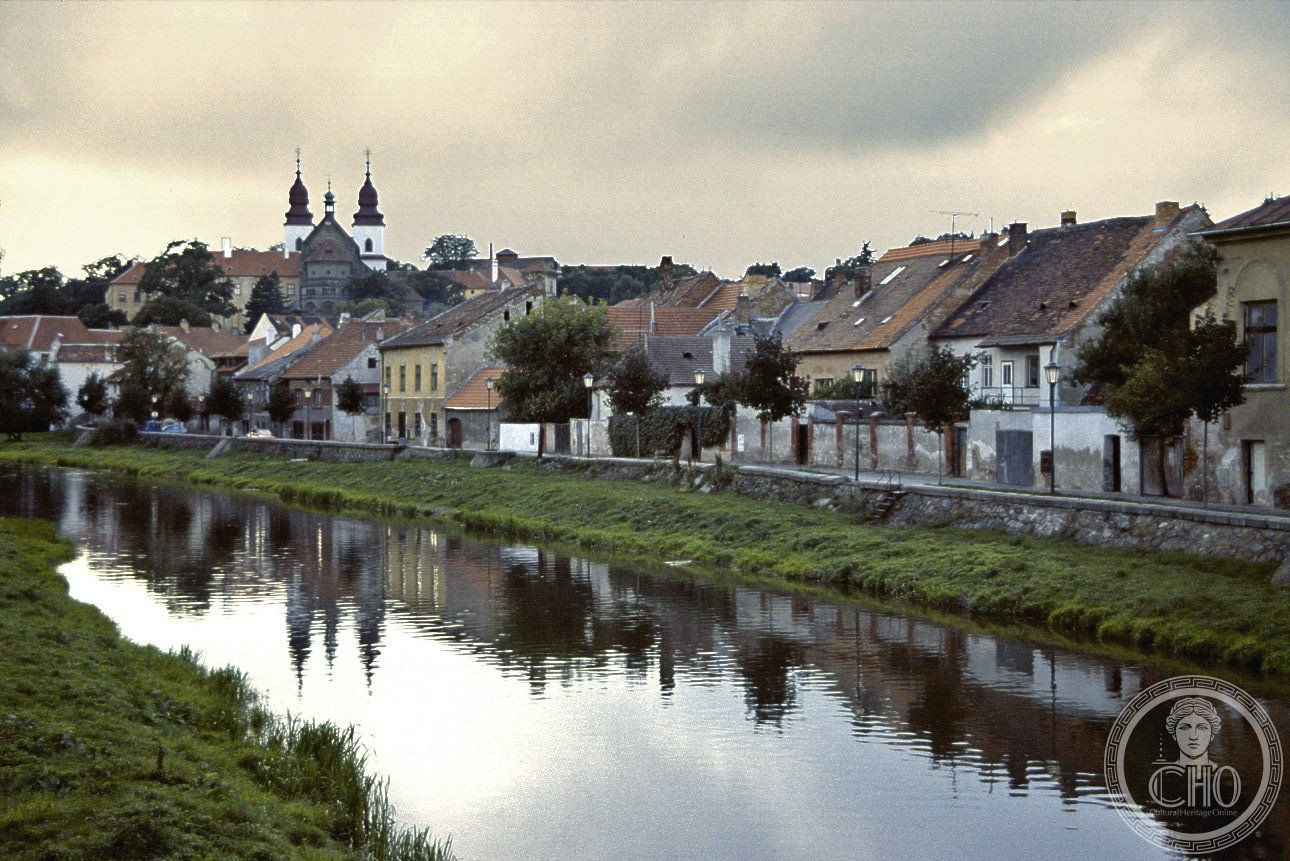
A UNESCO World Heritage site comprising two distinct monuments: a historic Jewish quarter and a Romanesque basilica dedicated to Saint Procopius, together documenting the multicultural and religious heritage of medieval Moravia.
At a glance
This dual-monument UNESCO site unites the spiritual architecture of St Procopius’ Basilica with the residential and cultural structures of Třebíč’s Jewish Quarter. Both testify to the shared history of Christian and Jewish communities in Central Europe.
History
Třebíč developed as an important town in Moravia, with the basilica serving as a major religious focal point. The Jewish Quarter emerged as a distinct residential community, reflecting the complex social structure of medieval and early modern Czech lands.
What you see
St Procopius’ Basilica stands as a significant example of Romanesque architecture. The Jewish Quarter preserves the urban layout and domestic structures characteristic of historic Jewish settlements in Central Europe, with houses and communal buildings reflecting centuries of occupation and development.
Cultural significance
The site represents an exceptional record of coexistence between Christian and Jewish populations in medieval Moravia. The basilica anchors the spiritual life of the region, while the Jewish Quarter documents the cultural, economic, and social contributions of its Jewish inhabitants across generations.
Key facts
- UNESCO World Heritage Site
- Location: Třebíč, Czech Republic
- Coordinates: 49.2172°N, 15.8789°E
Practical information & getting there
Třebíč is located in Moravia in the Czech Republic. Visitors can access detailed information about opening hours, guided tours, and current conditions through the local tourism authority and the UNESCO World Heritage Centre.
Sources & resources
Find it on the map
See this place and what’s around it →📷 Become a Cultural Heritage Online photographer
Share your photos of places: they stay published under your name as the author. The more they're seen, the more you get noticed — and soon a contest will reward the most appreciated photos.
Log in or sign up free to add a photoIs this page about you?
This page is read by travellers and heritage enthusiasts who find it on Google. Tell us how you are connected to this place and we will take it from there.