
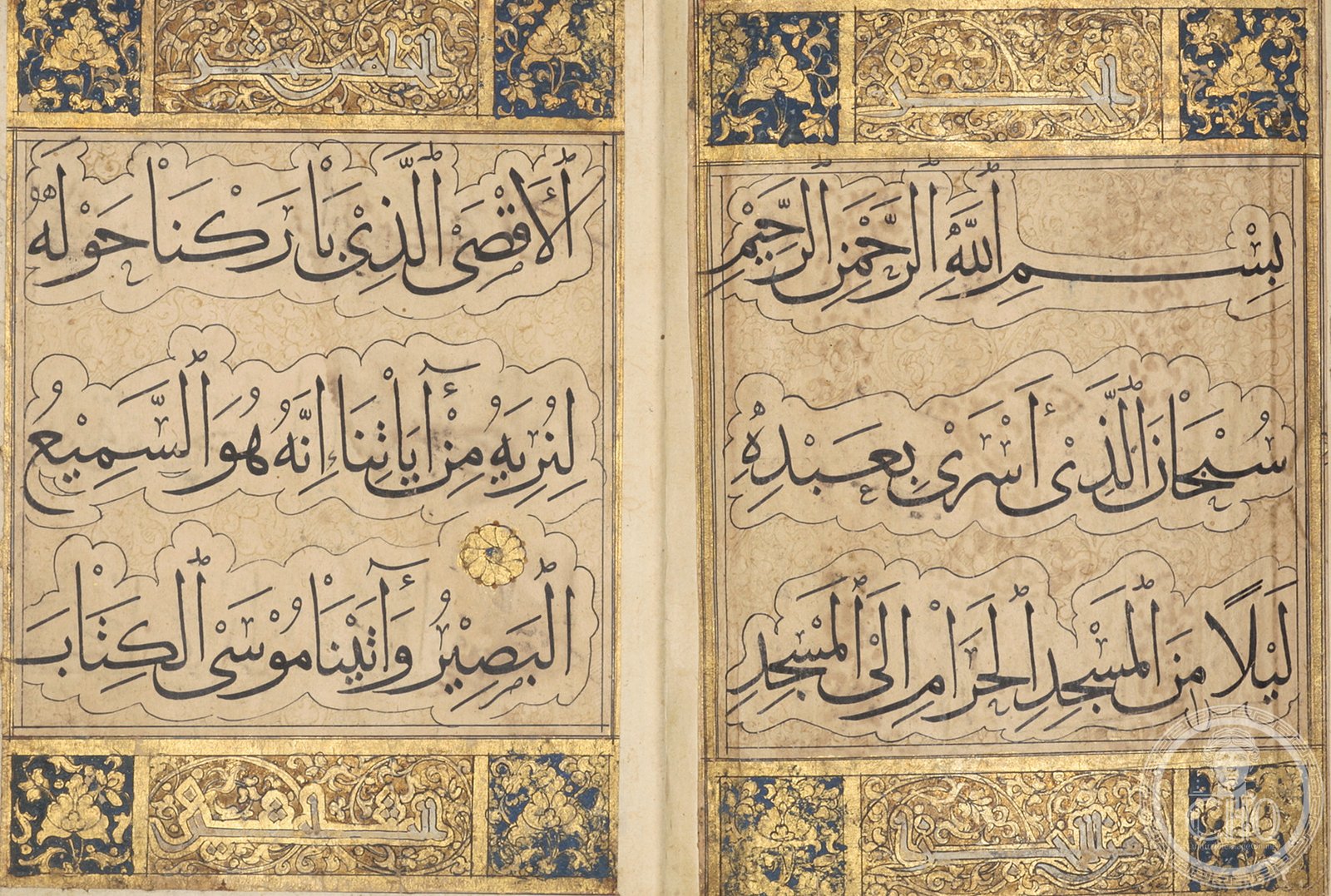
In Istanbul’s workshops and studios, calligraphers continue a centuries-old practice of transforming the written word into art. Islamic calligraphy—known in Arabic as khatt Arabi, meaning “line” or “design”—harnesses the beauty of script to honor sacred texts and elevate everyday surfaces into meditative compositions.
At a glance
Islamic calligraphy is a highly stylized form of handwriting using the Arabic alphabet and scripts derived from it. Rooted in the copying and beautification of the Quran, it has evolved into a discipline that bridges religious devotion, artistic expression, and architectural ornament. The practice encompasses Arabic, Persian, Ottoman, and Urdu traditions, each with distinct visual vocabularies.
Origins and history
The development of Islamic calligraphy is inseparable from the Quran. Because Islamic tradition has often discouraged figurative representation in religious contexts—seeking to prevent idolatry—calligraphers channeled artistic ambition into the written word. Some scholars argue that Kufic script emerged in late-seventh-century Kufa, Iraq, from which it takes its name. This foundational style later evolved into floral, interlaced, bordered, and square variations. Over centuries, two major styles—Kufic and Naskh—spawned numerous regional adaptations. An ancient Arabic proverb captures the moral weight of the craft: “purity of writing is purity of the soul.”
The tradition today
In Istanbul, calligraphers maintain this rigorous discipline across both religious and secular contexts. Contemporary practitioners work in traditional scriptoriums and modern studios, applying the art to Quranic verses, architectural commissions, decorative panels, and contemporary artworks. The craft requires years of training in letter formation, spacing, ink preparation, and the philosophical principles underlying each style. Modern innovations—including calligraffiti, a fusion of traditional script with graffiti aesthetics—show how the tradition continues to evolve while honoring its classical foundations.
Cultural significance
Islamic calligraphy holds deep cultural resonance beyond its religious function. It reflects the central role of writing and the written word in Islamic civilization. The practice embodies both aesthetic and moral dimensions: creating beautiful script is considered a spiritual pursuit. In Istanbul, where Ottoman calligraphic traditions reached their height, the art form remains a marker of cultural identity and artistic excellence. Contemporary calligraphers in the city draw international students and collectors, ensuring the tradition’s transmission to new generations.
Key facts
- Country: Turkey
- Anchor community: Istanbul
- UNESCO listing: Hüsn-i Hat (Traditional Calligraphy in Islamic Art), Representative List of the Intangible Cultural Heritage of Humanity
- Core scripts: Kufic, Naskh, and Ottoman styles
- Primary materials: Ink, paper or parchment, reed pens
- Associated texts: Primarily Quranic verses and Islamic religious literature
Where to experience it
You can observe and study Islamic calligraphy at cultural centers, museums, and private ateliers throughout Istanbul’s historic districts. Many practitioners offer workshops for visitors. The Turkish Calligraphy Society and Ottoman heritage institutions hold exhibitions and demonstrations. Bookshops specializing in Islamic art stock contemporary calligraphic works and instructional texts.
Sources & resources
- Islamic Calligraphy (Wikipedia)
- Cultural Heritage Online
Find it on the map
See this place and what’s around it →📷 Become a Cultural Heritage Online photographer
Share your photos of places: they stay published under your name as the author. The more they're seen, the more you get noticed — and soon a contest will reward the most appreciated photos.
Log in or sign up free to add a photo