
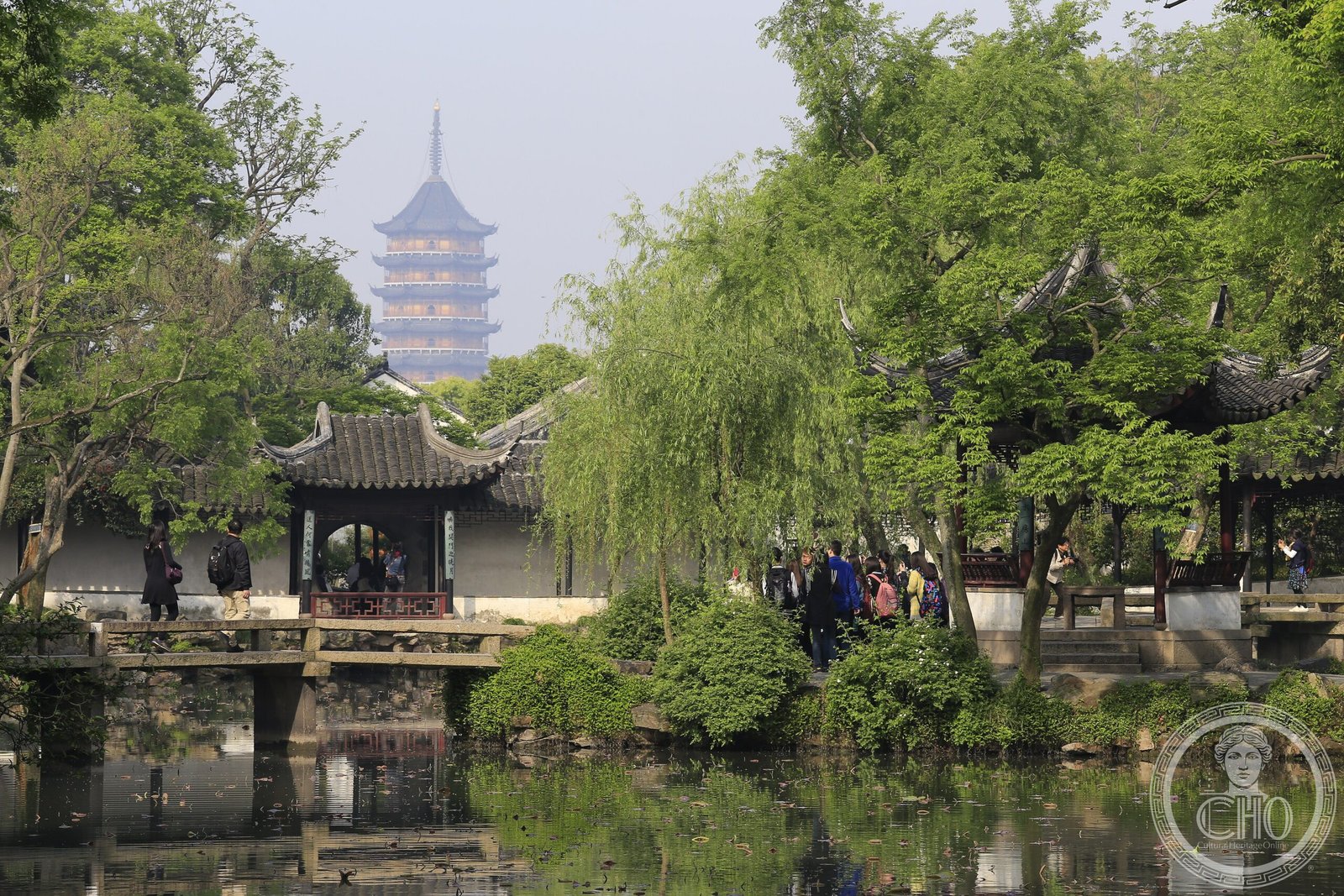
At 5.2 hectares, Suzhou’s largest garden unfolds as a masterpiece of classical Chinese landscape design, where water, stone, and vegetation create spaces of contemplative beauty.
At a glance
This UNESCO-listed garden represents the pinnacle of Ming and Qing dynasty horticultural philosophy. Its design principles—balance, enclosure, and the interplay of built and natural forms—embody centuries of Chinese aesthetic refinement. Many regard it as the finest garden in southern China.
History
The garden was created during the Ming dynasty as a private retreat. Its name reflects a classical text: the administrator who tends his garden with humility achieves greater harmony than one who seeks power. The layout and plantings evolved through subsequent centuries, particularly during the Qing period, when many of its celebrated features were refined.
What you see
The garden’s design unfolds through interconnected courtyards and viewing corridors. Pavilions and covered walkways frame carefully composed vistas of water, rock formations, and ancient trees. Bridges, islands, and waterside pavilions guide movement through the landscape. Every element—from stone placements to window designs—directs the eye and shapes experience.
Cultural significance
The garden exemplifies Ming-Qing aesthetic ideals: the integration of poetry, painting, and landscape. In 1997, it was inscribed as a UNESCO World Heritage Site within the Classical Gardens of Suzhou, recognized as outstanding representatives of Chinese garden design and its philosophical underpinnings.
Key facts
- Location: 178 Northeast Street, Gusu District, Suzhou
- Size: 5.2 hectares (13 acres)—the largest garden in Suzhou
- UNESCO World Heritage Site (inscribed 1997)
- Coordinates: 31.327°N, 120.626°E
Practical information & getting there
The garden is located in central Suzhou. Standard opening hours and admission fees apply; check with local tourism sources for current visiting conditions and ticketing before your visit.
Sources & resources
Find it on the map
See this place and what’s around it →📷 Become a Cultural Heritage Online photographer
Share your photos of places: they stay published under your name as the author. The more they're seen, the more you get noticed — and soon a contest will reward the most appreciated photos.
Log in or sign up free to add a photo