

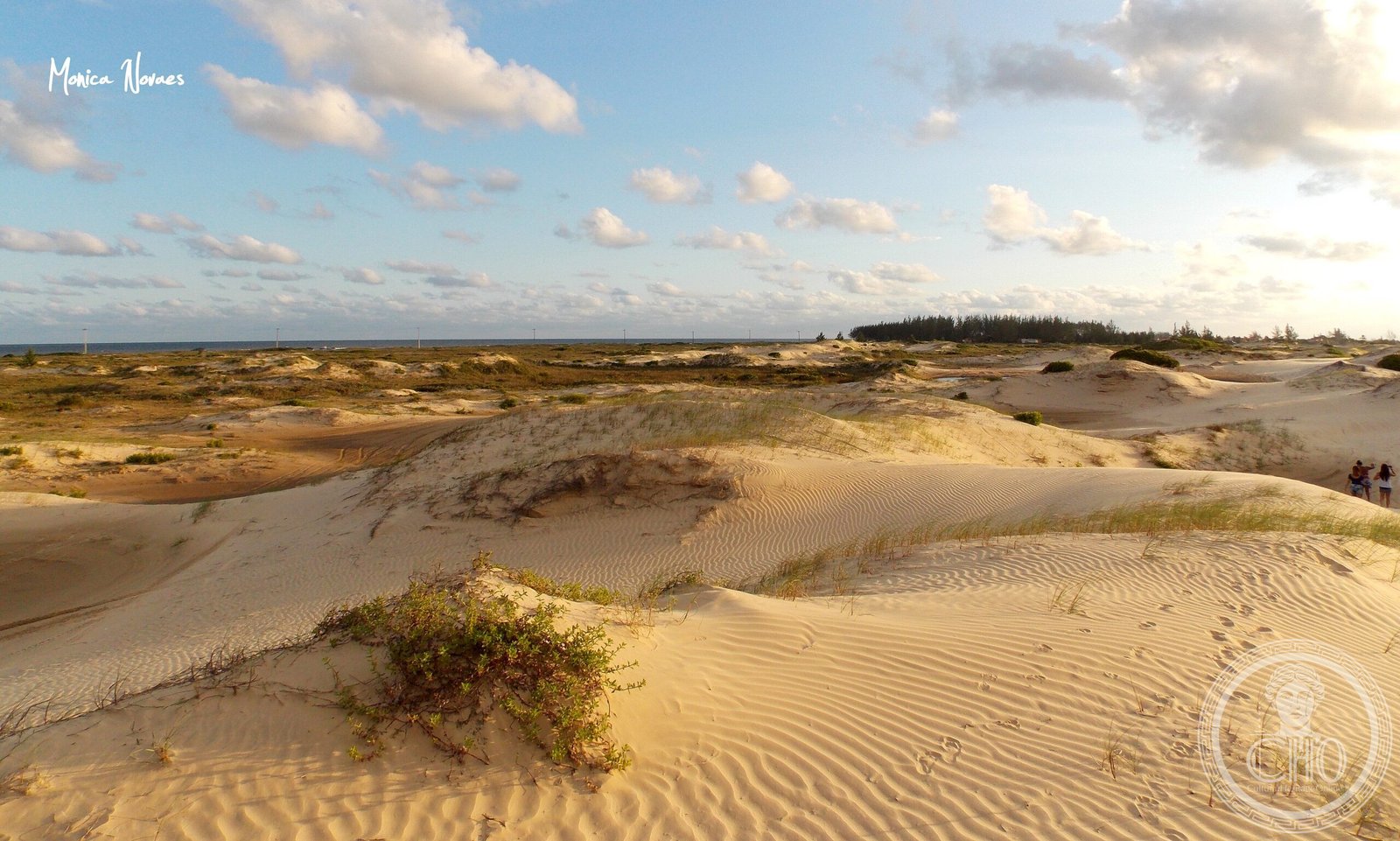
A coastal conservation zone protecting an island landscape of dunes, salt marshes and mangroves along Brazil’s Atlantic shoreline.
At a glance
Ilha Comprida—meaning “Long Island”—is an environmental protection area in São Paulo state dedicated to preserving a fragile ecosystem. The island combines dynamic coastal habitats that support adapted flora and fauna in a region of significant ecological value.
History
The area was designated as an environmental protection zone to safeguard the island’s natural systems. However, the site presents an ongoing challenge: balancing ecological preservation with the needs of human communities already established on the island.
What you see
The landscape comprises three principal environments. Dunes form protective barriers along the shoreline, their sparse vegetation adapted to salt spray and shifting sand. Salt marshes occupy transitional zones where brackish water meets land. Extensive mangrove forests fringe the island’s edges, their prop roots filtering saltwater and creating nurseries for marine life.
Cultural significance
The protection area represents Brazil’s commitment to coastal conservation in densely populated southeastern regions. The island exemplifies the tensions between development and environmental stewardship that shape modern conservation policy.
Key facts
- Location: São Paulo state, Brazil
- Coordinates: 24°50′30″ S, 47°42′22″ W
- Primary ecosystems: Dunes, salt marshes, mangroves
Practical information & getting there
Detailed visitor information regarding access, facilities and permitted activities within the protection area is not currently available. Contact local environmental authorities in São Paulo state for current conditions and guidelines.
Sources & resources
Find it on the map
See this place and what’s around it →📷 Become a Cultural Heritage Online photographer
Share your photos of places: they stay published under your name as the author. The more they're seen, the more you get noticed — and soon a contest will reward the most appreciated photos.
Log in or sign up free to add a photoIs this page about you?
This page is read by travellers and heritage enthusiasts who find it on Google. Tell us how you are connected to this place and we will take it from there.