
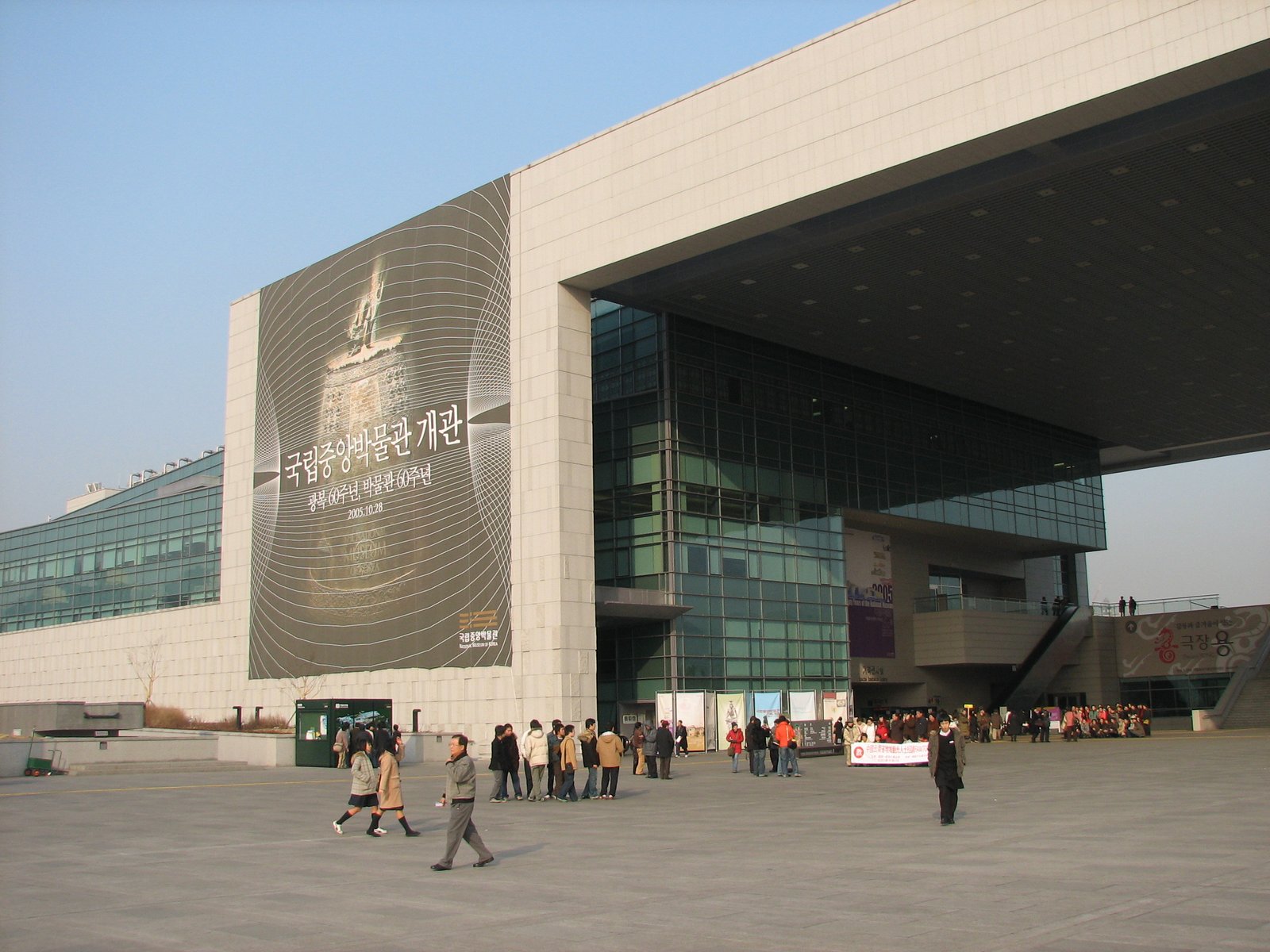
A Seoul museum dedicated to East Asian art, housing over 3,000 paintings, ceramics, and Buddhist artifacts from Korea, Japan, China, and Tibet.
At a glance
The Hwajeong Museum occupies a central location in Pyeongchang-dong, Jongno District. Its collection spans multiple Asian cultures and artistic traditions, emphasizing the interconnected heritage of the East Asian region.
History
The museum was established in 1999, opening its doors to showcase a carefully assembled collection of East Asian artworks spanning several centuries and cultures.
What you see
The museum presents works across painting, ceramics, and religious sculpture. Its holdings include Buddhist artifacts reflecting the spiritual traditions of the Asian continent, alongside secular artistic achievements in porcelain and ink painting.
Cultural significance
By bringing together art from Korea, Japan, China, and Tibet under one roof, the Hwajeong Museum illustrates the shared aesthetic and philosophical values that bound East Asian cultures across centuries. The collection demonstrates how trade, Buddhism, and artistic exchange shaped the region’s visual heritage.
Key facts
- Location: Pyeongchang-dong, Jongno District, Seoul, South Korea
- Founded: 1999
- Collection size: Over 3,000 objects
- Focus: East Asian art from Korea, Japan, China, and Tibet
- Coordinates: 37.60467, 126.96587
Practical information & getting there
The museum is situated in central Seoul, accessible by public transport. For current hours, admission fees, and exhibition details, consult the museum directly or visit its official channels before planning your visit.
Sources & resources
Find it on the map
See this place and what’s around it →📷 Become a Cultural Heritage Online photographer
Share your photos of places: they stay published under your name as the author. The more they're seen, the more you get noticed — and soon a contest will reward the most appreciated photos.
Log in or sign up free to add a photoIs this page about you?
This page is read by travellers and heritage enthusiasts who find it on Google. Tell us how you are connected to this place and we will take it from there.