
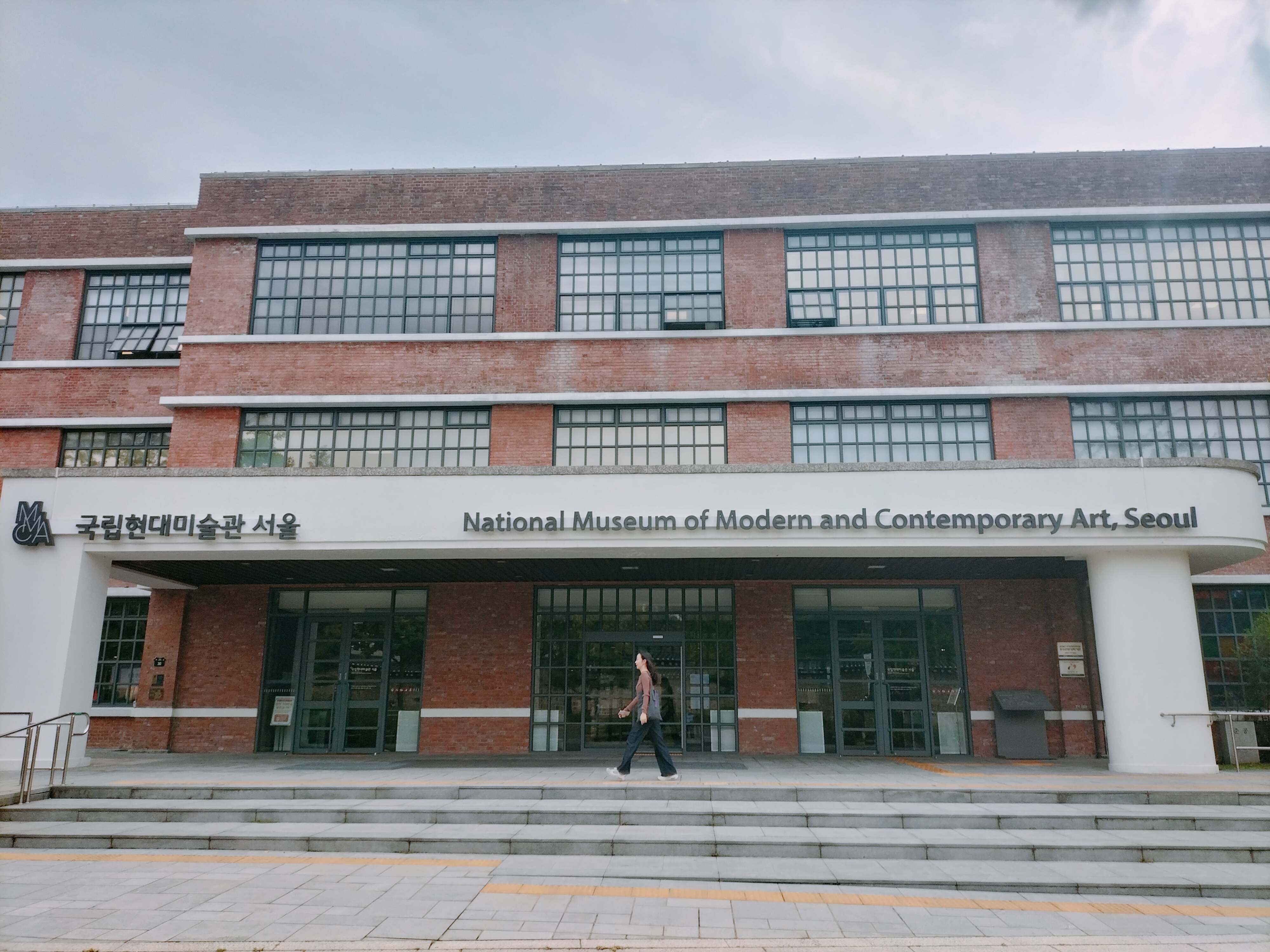
South Korea’s flagship institution for modern and contemporary art operates four campuses across the country, anchoring the nation’s commitment to preserving and presenting visual culture across centuries.
At a glance
The National Museum of Modern and Contemporary Art, Korea (MMCA) maintains four distinct branches in Gwacheon, Deoksugung, Seoul and Cheongju. The museum holds Korean modern and contemporary art alongside works spanning different periods and cultures, making it the country’s primary venue for this scope of collection.
History
Established in 1969, MMCA was the first national art museum in South Korea dedicated to modern and contemporary practice. Its founding reflected the nation’s emerging cultural infrastructure during a transformative period. The expansion to multiple branches expanded geographic access and allowed thematic specialization across venues.
What you see
The museum operates across four locations, each serving distinct curatorial purposes. Visitors encounter both Korean and international artworks spanning painting, sculpture, installation and video media from the modern era to the present day.
Cultural significance
MMCA holds essential importance in Korean cultural life as the primary national institution dedicated to modern visual expression. The multi-site model allows simultaneous exhibition strategies and makes contemporary art accessible beyond Seoul’s center.
Key facts
- Country: South Korea
- Primary location: Seoul
- Coordinates: 37.5785°N, 126.98°E
- Established: 1969
- Four branches: Gwacheon, Deoksugung, Seoul, Cheongju
Sources & resources
Find it on the map
See this place and what’s around it →📷 Become a Cultural Heritage Online photographer
Share your photos of places: they stay published under your name as the author. The more they're seen, the more you get noticed — and soon a contest will reward the most appreciated photos.
Log in or sign up free to add a photoIs this page about you?
This page is read by travellers and heritage enthusiasts who find it on Google. Tell us how you are connected to this place and we will take it from there.