
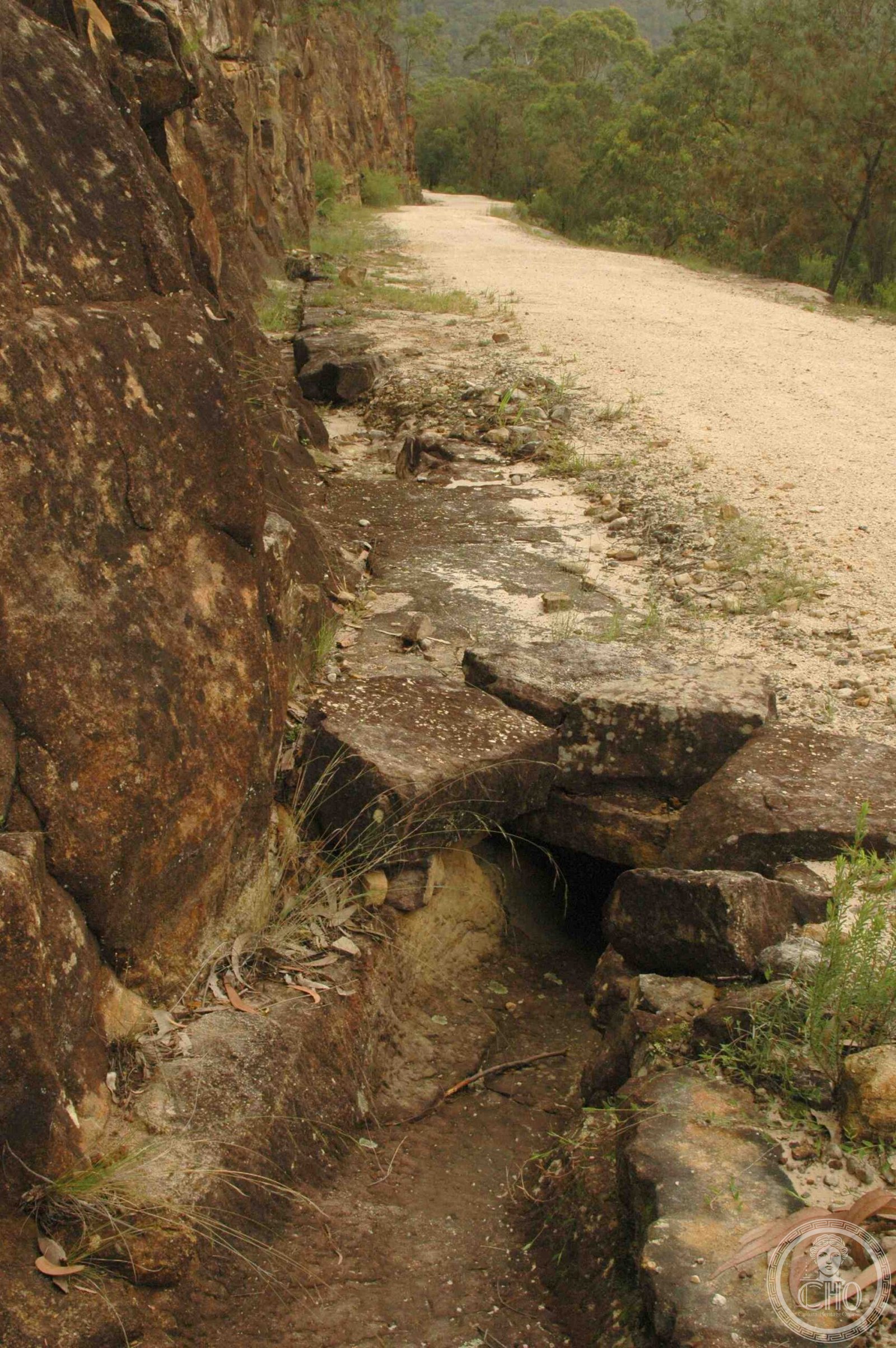
A 260-kilometre convict-built highway that opened the fertile Hunter Valley to colonial expansion, now recognized as a UNESCO World Heritage site for its exceptional historical significance.
At a glance
The Great North Road represents one of Australia’s most ambitious early infrastructure projects. Constructed between 1825 and 1836 by convict labour, it carved through rugged terrain to connect Sydney with the agricultural riches of the Hunter Valley—a journey that would otherwise have taken weeks by sea or arduous overland routes.
History
The road emerged from colonial necessity. Early Sydney needed access to the Hunter Valley’s fertile lands, but the difficult landscape presented formidable obstacles. Convict labour—the backbone of colonial infrastructure—was mobilized for this engineering challenge.
Construction spanned eleven years, from 1825 to 1836, transforming wilderness into a practical highway. Yet the road’s success proved temporary. Steep gradients, water scarcity, and inadequate horse feed made passage arduous. As steamship routes and newer alternative roads developed, the Great North Road rapidly declined in use. Sections vanished into neglect while others were absorbed into later road networks.
What you see
Notable sections retain impressive engineering standards reflecting the ambition of their construction. The road’s traces vary dramatically: some stretches have been completely reclaimed by landscape, while others survive as fragments embedded in modern rural and urban networks, their original convict-era stonework occasionally visible beneath later surfaces.
Cultural significance
The Great North Road stands as a tangible archive of convict transportation and colonial expansion. Its recognition on the Australian National Heritage List (2007) and UNESCO World Heritage list acknowledges it as among the “best surviving examples of large-scale convict transportation and the colonial expansion of European powers through the presence and labour of convicts.” The road embodies the labour, ingenuity, and human cost of building European settlements across unfamiliar terrain.
Key facts
- Country: Australia
- State: New South Wales
- Length: Over 260 kilometres (162 miles)
- Construction period: 1825–1836
- Built by: Convict labour
- Australian National Heritage List: 1 August 2007
- UNESCO World Heritage status: Yes
- Coordinates: −33.378°, 150.994°
Practical information & getting there
The Great North Road no longer exists as a single traversable route. Sections survive as heritage sites, walking trails, and archaeological sites scattered across New South Wales between Sydney and the Hunter Valley. Local tourism boards in towns along the historic route can direct visitors to accessible remnants and interpretive sites.
Sources & resources
Find it on the map
See this place and what’s around it →📷 Become a Cultural Heritage Online photographer
Share your photos of places: they stay published under your name as the author. The more they're seen, the more you get noticed — and soon a contest will reward the most appreciated photos.
Log in or sign up free to add a photoIs this page about you?
This page is read by travellers and heritage enthusiasts who find it on Google. Tell us how you are connected to this place and we will take it from there.