

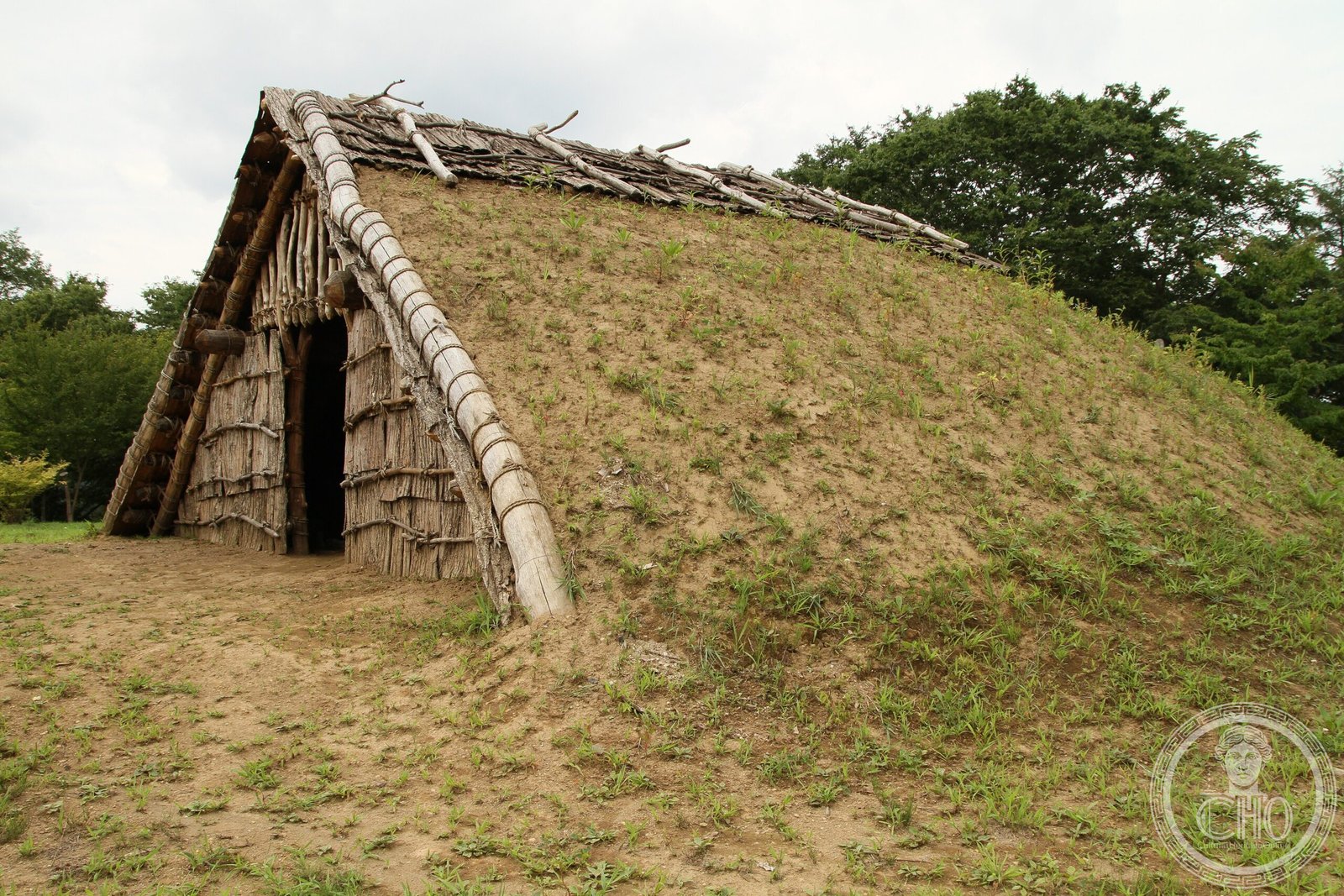
An archaeological window into Japan’s Jōmon hunter-gatherer civilization, this middle Jōmon settlement reveals how communities lived thousands of years before agriculture transformed the archipelago.
At a glance
Goshono is a middle Jōmon period archaeological site located in Ichinohe, a town in Iwate Prefecture within Japan’s Tōhoku region. The site was discovered during industrial park construction in 1989 and recognized by the Japanese government as a National Historic Site in 1993.
History
The Jōmon period, spanning roughly 14,000 to 300 BCE, represents one of the world’s earliest complex hunter-gatherer societies. Goshono dates to the middle Jōmon era, a time of sophisticated tool-making, pottery production, and established settlement patterns. Construction work in 1989 unexpectedly revealed the site’s archaeological significance, leading to its formal protection four years later.
What you see
The excavated remains reflect the material culture of middle Jōmon inhabitants. The site contains evidence of settlement structures and artifacts typical of this period, offering insights into daily life, subsistence patterns, and social organization.
Cultural significance
Goshono contributes essential knowledge about Japan’s deep past before the Yayoi period transformation. Middle Jōmon sites like this demonstrate the sophistication of pre-agricultural societies and the cultural continuity within the Japanese archipelago across millennia.
Key facts
- Country: Japan
- Location: Ichinohe, Iwate Prefecture, Tōhoku region
- Designated: National Historic Site (1993)
- Discovered: 1989
- Coordinates: 40.1978, 141.3061
Practical information & getting there
Ichinohe is accessible via rail and road from larger Tōhoku cities. Visitor facilities and access details are best confirmed with Iwate Prefecture tourism resources before your visit.
Sources & resources
Find it on the map
See this place and what’s around it →📷 Become a Cultural Heritage Online photographer
Share your photos of places: they stay published under your name as the author. The more they're seen, the more you get noticed — and soon a contest will reward the most appreciated photos.
Log in or sign up free to add a photoIs this page about you?
This page is read by travellers and heritage enthusiasts who find it on Google. Tell us how you are connected to this place and we will take it from there.