

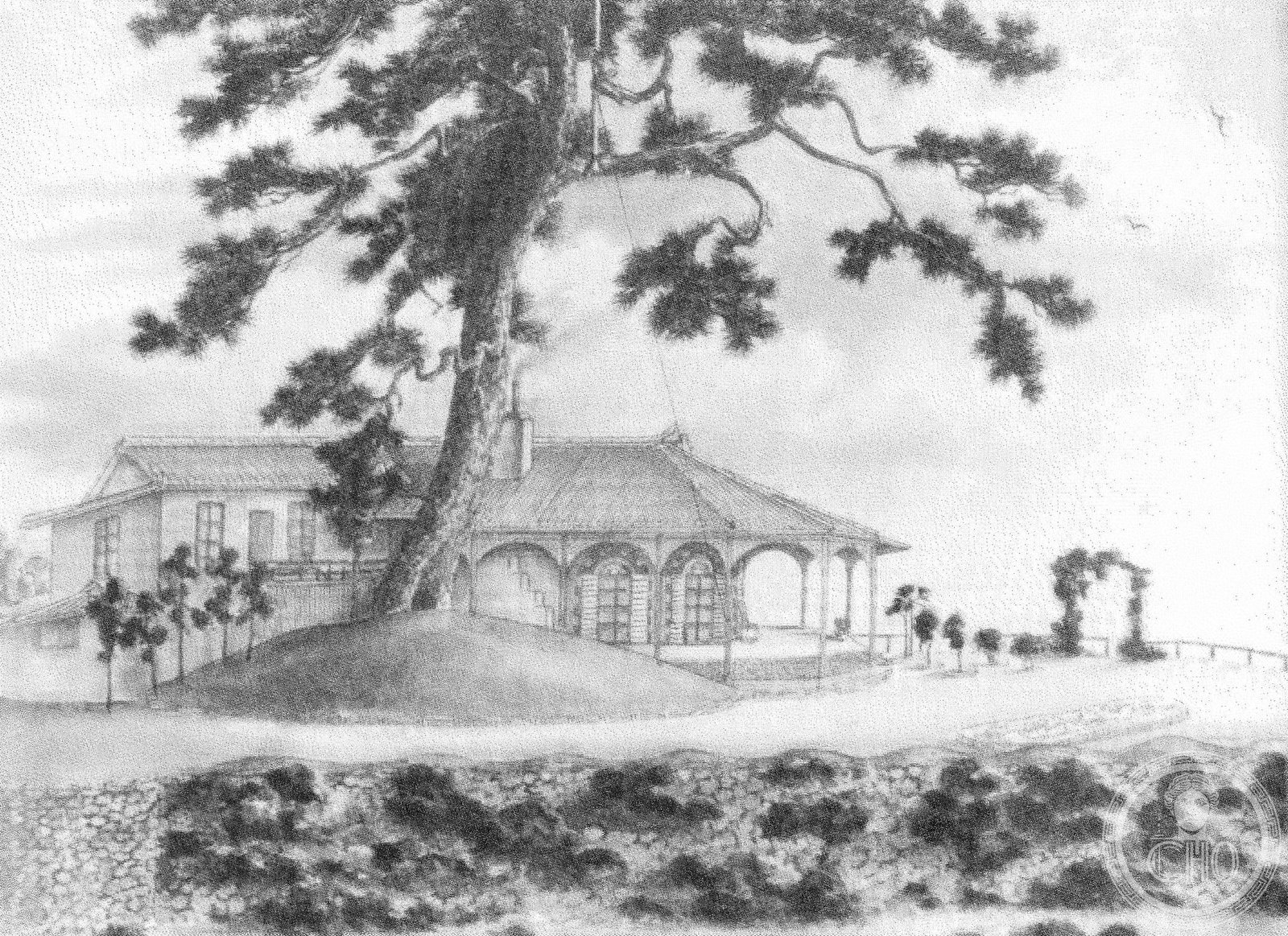
A hillside park overlooking Nagasaki harbor, home to Japan’s oldest Western-style house and a landmark of cultural exchange in the late Edo period.
At a glance
Glover Garden preserves the residence of Thomas Blake Glover, a Scottish merchant whose business ventures—in shipbuilding, coal mining, and other industries—accelerated Japan’s modernization. The Glover Residence, completed in 1863, remains the oldest surviving Western-style house in Japan and stands as Nagasaki’s principal tourist destination. Designated an Important Cultural Asset, the house and its surroundings evoke Puccini’s Madame Butterfly, earning it the alternative name “Madame Butterfly House.”
History
Built by Hidenoshin Koyama of Amakusa island and finished in 1863, the residence marks a pivotal moment in Japanese-Western relations. During the final years of the Edo period, Glover’s house became a discreet meeting place for rebel samurai from the Chōshū and Satsuma domains—powerful clans whose members sought foreign support and expertise for their political ambitions. This intersection of commerce, diplomacy, and intrigue gave the residence outsized historical significance beyond its architectural innovation.
What you see
The Glover Residence exemplifies early Meiji-era Western residential design adapted to Japan’s climate and landscape. Perched on the Minamiyamate hillside, it commands views across Nagasaki harbor. The structure introduced Japanese audiences to foreign architectural conventions—materials, proportions, and spatial arrangements unfamiliar in contemporary domestic building. The surrounding garden includes statues of composer Giacomo Puccini and soprano Miura Tamaki, celebrated for her performance as Cio-Cio-san in Madame Butterfly.
Cultural significance
Glover Garden embodies a moment when Japan rapidly absorbed foreign knowledge while navigating its own political transformation. Thomas Blake Glover’s presence symbolized the commercial and technological currents reshaping the nation. The house’s Western architecture, once exotic and daring, now anchors a shared cultural memory—reinforced by its literary and operatic associations—of an era when East and West collided and merged in unexpected ways.
Key facts
- Country: Japan
- City: Nagasaki
- Coordinates: 32°44′01″N 129°52′09″E
- Completed: 1863
- Designation: Important Cultural Asset of Japan
Practical information & getting there
Glover Garden is accessible from central Nagasaki via cable car and slope car (ropeway) systems that ascend the Minamiyamate hillside, or by walking trails. The site is open to the public year-round. Contact Nagasaki Tourism or visit the garden’s official sources for current hours and admission details.
Sources & resources
Find it on the map
See this place and what’s around it →📷 Become a Cultural Heritage Online photographer
Share your photos of places: they stay published under your name as the author. The more they're seen, the more you get noticed — and soon a contest will reward the most appreciated photos.
Log in or sign up free to add a photo