
Gobustan (preistoria): quarantamila anni di arte rupestre sul Caspio
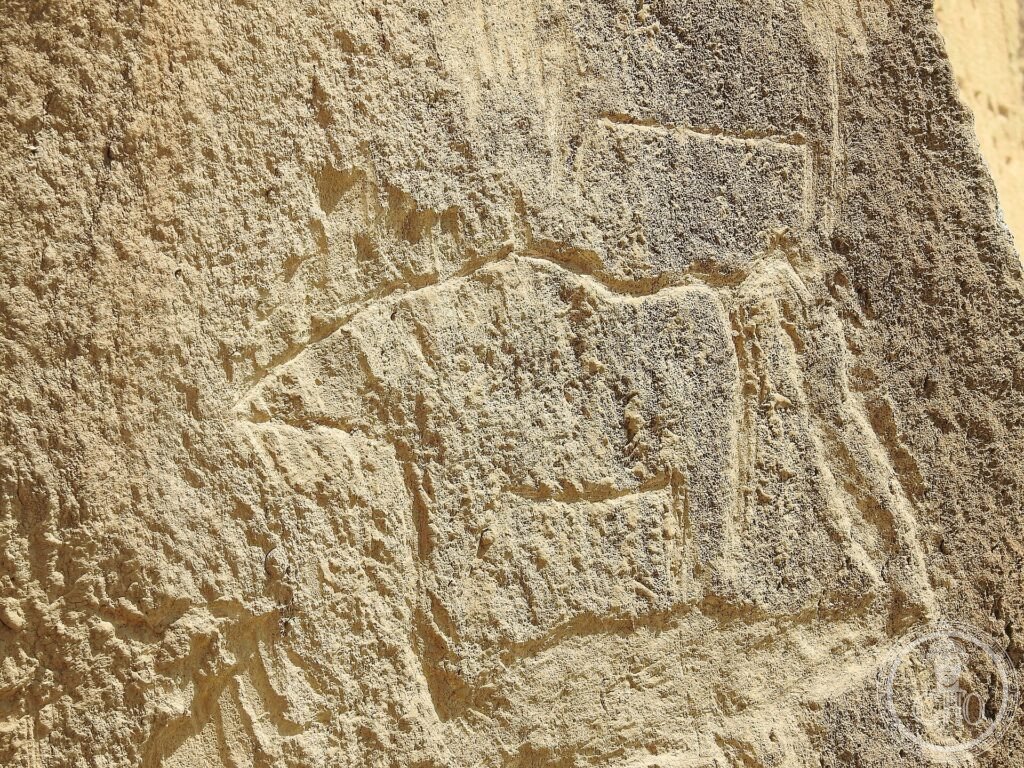
Su un arido altopiano di rocce sopra il Mar Caspio, l’uomo ha inciso per quarantamila anni la propria vita: cacciatori, danzatori, barche di giunco, animali oggi scomparsi. Le oltre seimila incisioni di Gobustan formano una delle più ricche gallerie d’arte rupestre del mondo.
At a glance
Gobustan, on a semi-desert plateau of rocky boulders above the Caspian Sea, holds one of the richest concentrations of rock art in the world. Over more than 40,000 years, from the Upper Palaeolithic into the Middle Ages, people carved over 6,000 petroglyphs into its rocks: hunters and dancers, reed boats, bulls, gazelles and now-vanished animals. With traces of caves, settlements and burials, the Gobustan Rock Art Cultural Landscape was inscribed by UNESCO in 2007.
Key facts
- UNESCO: World Heritage since 2007 (Gobustan Rock Art Cultural Landscape)
- Petroglyphs: over 6,000 carvings spanning some 40,000 years
- Scenes: hunting, dancing, reed boats, animals and rituals
- Setting: a rocky plateau above the Caspian Sea
- Also present: remains of caves, settlements and burials
- Mud volcanoes: the surrounding region is famous for them
History
People have left their mark at Gobustan since the last Ice Age. The earliest carvings, of the Upper Palaeolithic, show large animals and human figures; later ages added scenes of hunting, communal dances, and the long reed boats that suggest seafaring on the Caspian. The carvings continued to be made across the Mesolithic, Neolithic and Bronze Age and into historic times.
The site preserves not only the art but the wider landscape in which people lived — rock shelters, the bases of dwellings, cup-marks and graves — making it a rare continuous record of human life over tens of thousands of years. A Roman inscription, among the easternmost known, even records a legion’s passage.
What you see
Across the boulders, carvings emerge in the changing light: rows of dancing figures, archers and their prey, sinuous boats with rowers, and the great horned bulls. A modern museum interprets the art, and marked paths lead among the rocks where the petroglyphs are concentrated.
Beyond the reserve, the bare hills and bubbling mud volcanoes complete the strange, ancient landscape.
Practical information
- Site: a reserve with a museum and marked trails among the rocks
- Time needed: half a day, including the museum
- Note: combine with the nearby mud volcanoes
- Setting: south-west of Baku, near the Caspian
Getting there
Gobustan is about 60 km south-west of Baku, the capital of Azerbaijan, near the Caspian coast. It is reached by road from Baku. GPS: 40.1058° N, 49.3783° E.
Nearby
- Mud volcanoes — the bubbling cones near the reserve
- Baku — the capital, with its UNESCO walled old city
- The Caspian coast — the shore of the world’s largest lake
Sources
- UNESCO World Heritage Centre — “Gobustan Rock Art Cultural Landscape” (ref. 1076)
- Gobustan National Historical-Artistic Preserve — official body
- Encyclopaedia Britannica — Azerbaijan (history)
Find it on the map
See this place and what’s around it →📷 Diventa un fotografo di Cultural Heritage Online
Condividi le tue foto dei luoghi: restano pubblicate con la tua firma come autore. Più vengono viste, più ti fai conoscere — e presto un concorso premierà le foto più apprezzate.
Accedi o registrati gratis per aggiungere una foto