
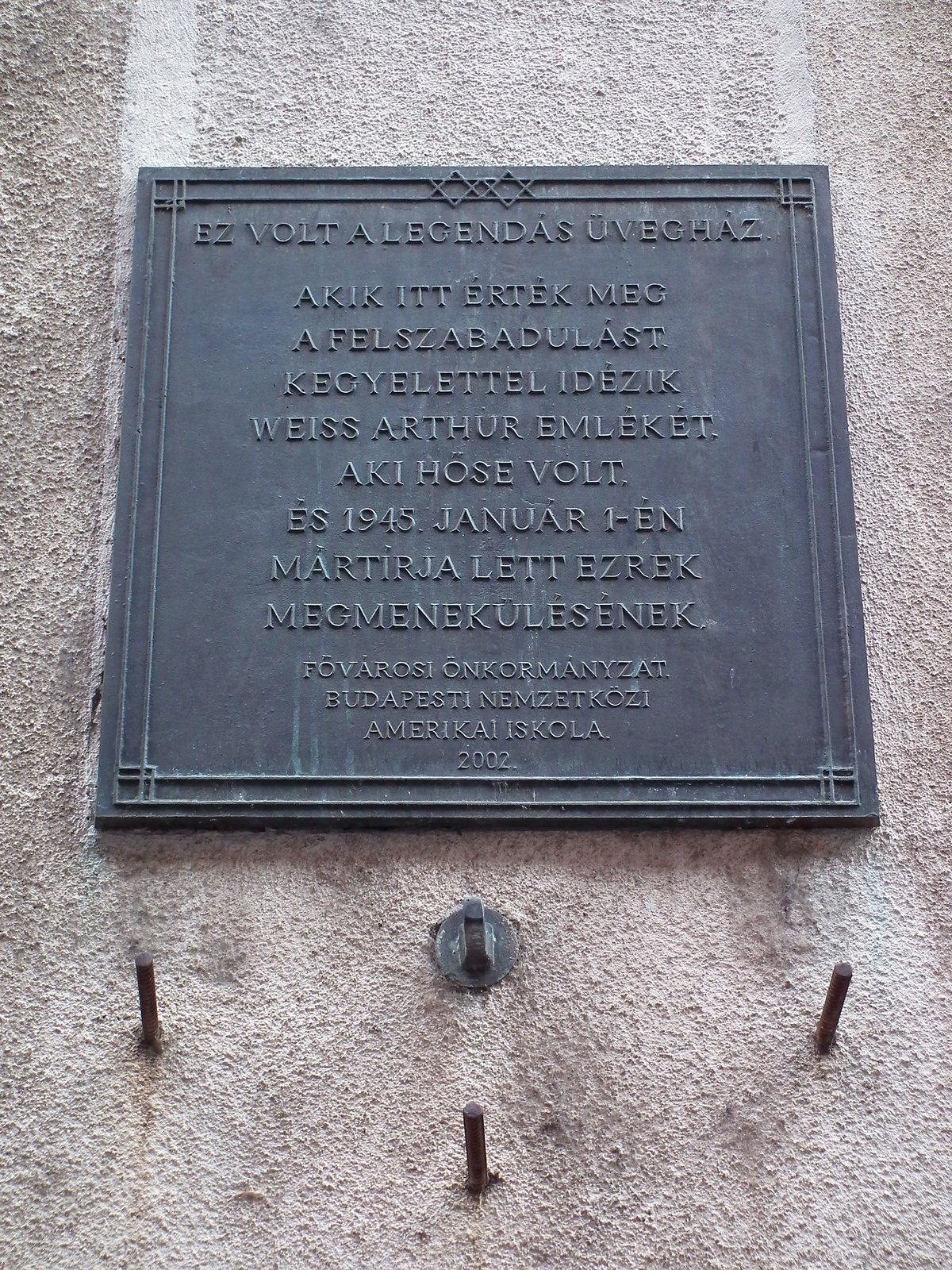
A Budapest building where Swiss diplomat Carl Lutz sheltered Jews during the Holocaust, demonstrating extraordinary humanitarian courage amid genocide.
At a glance
The Glass House (Üvegház in Hungarian) was a sanctuary operated by diplomat Carl Lutz to protect Jewish residents of Budapest during World War II. The building served as a refuge when Hungary’s Jewish population faced systematic persecution and deportation.
History
Carl Lutz, a Swiss diplomat accredited to Hungary, repurposed this building as a shelter for Jews facing Nazi persecution. During the Holocaust, as Hungary’s Jewish community confronted increasingly severe threats, the Glass House became one of several safe houses Lutz coordinated to save lives. The operation reflected both diplomatic immunity and personal moral conviction in the face of atrocity.
What you see
The building’s name derives from its distinctive glass features. Today, it stands as a physical reminder of the period when it functioned as a lifeline for those in danger.
Cultural significance
The Glass House represents a crucial chapter in Holocaust resistance and rescue. Carl Lutz’s actions—protecting vulnerable people through diplomatic channels and direct intervention—exemplify individual resistance to genocidal policy. The site commemorates both the victims who sought refuge and the rescuer who risked his position to help them survive.
Key facts
- Country: Hungary
- City: Budapest
- Coordinates: 47.50569, 19.05363
- Operated by Swiss diplomat Carl Lutz during the Holocaust
Practical information & getting there
The Glass House is located in Budapest at the coordinates provided above. Visitors interested in Holocaust history and wartime rescue efforts will find it a significant site within the city’s network of memorial locations. Advance research into current opening hours and any guided tour availability is recommended.
Sources & resources
Find it on the map
See this place and what’s around it →📷 Become a Cultural Heritage Online photographer
Share your photos of places: they stay published under your name as the author. The more they're seen, the more you get noticed — and soon a contest will reward the most appreciated photos.
Log in or sign up free to add a photoIs this page about you?
This page is read by travellers and heritage enthusiasts who find it on Google. Tell us how you are connected to this place and we will take it from there.