
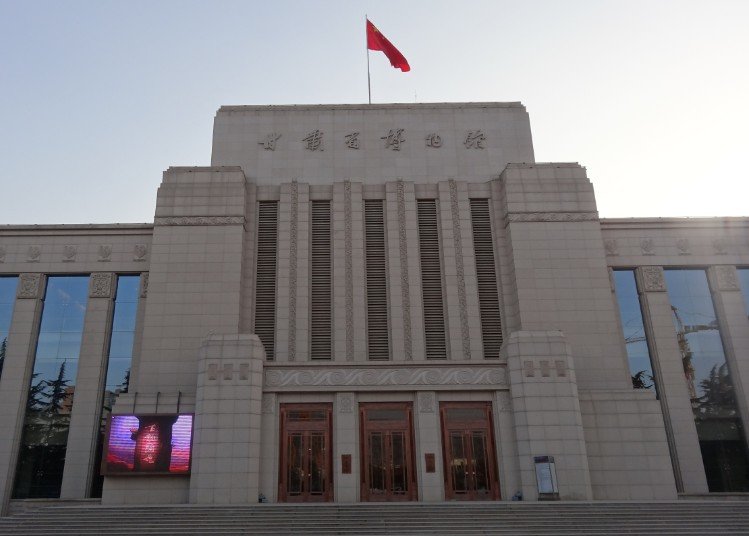
A major repository of cultural and natural heritage, housing over 350,000 artefacts spanning Gansu’s history and regional environment.
At a glance
The Gansu Provincial Museum preserves the material culture and natural diversity of northwest China’s Gansu Province. Its collections encompass two primary domains: the region’s historical development and natural sciences.
History
The museum was established to document Gansu’s local history. Following three years of renovation work, it was repurposed in 1956 as a natural history museum, expanding its scope to include scientific collections alongside historical artifacts.
What you see
The museum presents its extensive collections across two main curatorial sections. Display galleries showcase items ranging from archaeological finds to natural specimens, with exhibition arrangements that have evolved since the institution’s mid-twentieth-century transformation.
Cultural significance
Since its foundation, the museum has organized nearly 300 exhibitions. Its artefacts have travelled internationally, contributing to scholarly understanding and public knowledge of Gansu’s heritage and the broader natural history of the region.
Key facts
- Country: China
- City: Lanzhou
- Collections: Over 350,000 artefacts in history and natural science
- Exhibitions held: Nearly 300 since foundation
- Coordinates: 36.06694444, 103.77194444
Practical information & getting there
The museum is located in Lanzhou, the capital of Gansu Province. For current visiting hours, admission details, and exhibition information, consult the museum directly or its official channels.
Sources & resources
Find it on the map
See this place and what’s around it →📷 Become a Cultural Heritage Online photographer
Share your photos of places: they stay published under your name as the author. The more they're seen, the more you get noticed — and soon a contest will reward the most appreciated photos.
Log in or sign up free to add a photoIs this page about you?
This page is read by travellers and heritage enthusiasts who find it on Google. Tell us how you are connected to this place and we will take it from there.