

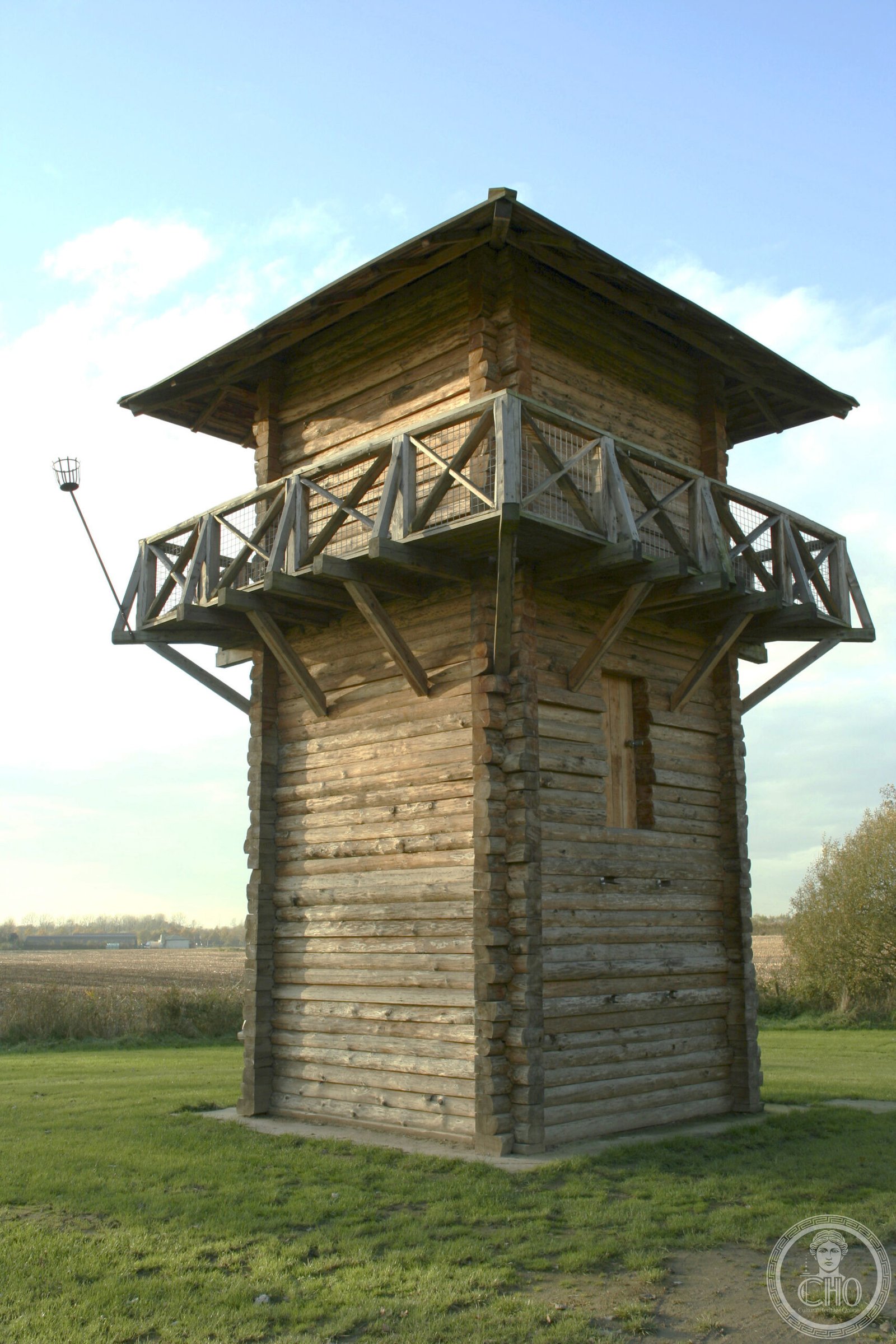
A Roman military outpost guarding the intersection of two ancient waterways, Fectio marked Rome’s northeastern frontier in the Rhine delta.
At a glance
Fectio was a castellum—a fortified Roman garrison—established in 4 or 5 AD within the province of Germania Inferior. Strategically positioned where the river Vecht branched from the Rhine toward Lake Flevo (the ancestor of the Zuiderzee), it controlled a crucial junction between inland and maritime routes.
History
Founded in the early first century AD, Fectio represented Rome’s military presence at the frontier of Germania Inferior. Its location at the confluence of the Vecht and Rhine made it a vital checkpoint for monitoring trade and military movement through the delta. The fort guarded the passage toward Lake Flevo, a body of water that would eventually transform into the Zuiderzee over many centuries.
What you see
Today Fectio survives as an archaeological site near the hamlet of Vechten in the municipality of Bunnik. Its Roman-era remains lie beneath modern ground level, accessible primarily to researchers and specialists conducting excavations.
Cultural significance
Fectio exemplifies the Roman military infrastructure that secured the empire’s northern boundaries. The site documents how Rome adapted to the complex geography of the Rhine delta, deploying fortifications at strategic waterway junctions. Its position illuminates ancient trade networks connecting the North Sea coast to the Mediterranean world.
Key facts
- Country: Netherlands
- Municipality: Bunnik, Utrecht
- Coordinates: 52.0564°N, 5.165°E
- Period: 1st century AD (founded 4 or 5 AD)
- Type: Roman castellum (military fort)
- Ancient province: Germania Inferior
Practical information & getting there
Fectio lies near Vechten, a small hamlet in the municipality of Bunnik, roughly 15 kilometres south of Utrecht in the Netherlands. The archaeological site is not developed as a public monument; visitors interested in Roman frontier archaeology should contact local museums or archaeological organizations in Utrecht for information about access and current excavations.
Sources & resources
Find it on the map
See this place and what’s around it →📷 Become a Cultural Heritage Online photographer
Share your photos of places: they stay published under your name as the author. The more they're seen, the more you get noticed — and soon a contest will reward the most appreciated photos.
Log in or sign up free to add a photoIs this page about you?
This page is read by travellers and heritage enthusiasts who find it on Google. Tell us how you are connected to this place and we will take it from there.