

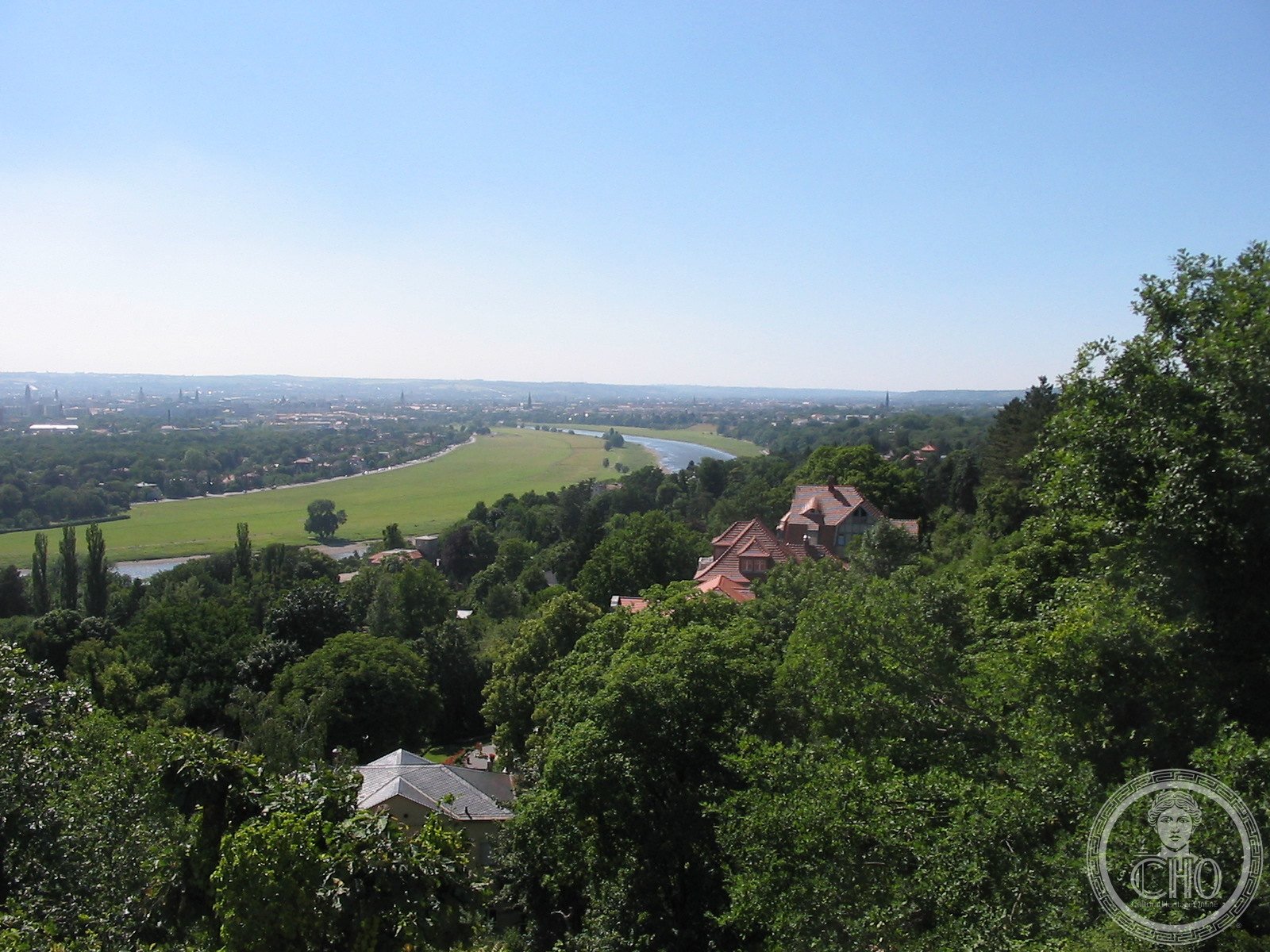
A sweeping cultural landscape along the Elbe River, shaped by centuries of human settlement and architectural achievement in the heart of Saxony.
At a glance
The Dresden Elbe Valley stretches roughly 20 kilometres through the Dresden Basin, one of two major cultural landscapes developed along the Central European Elbe. The valley encompasses the urban fabric of Dresden alongside natural river banks and slopes that define its scenic character.
History
Over centuries, the Elbe Valley became one of the river’s most significant cultural zones, comparable only to the Dessau-Wörlitz Garden Realm downstream. UNESCO recognized this layered history by inscribing the valley as a World Heritage Site in 2004. The listing was short-lived: designation as a World Heritage in Danger followed in July 2006, and the site was delisted in June 2009 during construction of the Waldschlösschen Bridge.
What you see
The landscape combines urban Dresden’s architectural heritage with the valley’s natural topography. Slopes and river banks frame the city’s built environment, creating a unified scenic and architectural composition that reflects centuries of settlement patterns along the Elbe.
Cultural significance
The valley represents a distinctive model of Central European cultural landscape development. Its value lies in the integration of architecture, urbanism and natural geography—a synthesis that once warranted UNESCO recognition for demonstrating how human society shaped one of Europe’s major rivers over time.
Key facts
- Location: Dresden, Saxony, Germany
- Extent: approximately 20 kilometres (12 miles)
- UNESCO World Heritage Site: inscribed 2004, designated in danger 2006, delisted 2009
- Coordinates: 51.05°N, 13.81°E
Practical information & getting there
The valley is accessible throughout Dresden via public transport and walking routes along the Elbe. The city’s central location in Saxony makes it reachable by train, car and air. The riverside landscape is best experienced on foot or by bicycle.
Sources & resources
Find it on the map
See this place and what’s around it →📷 Become a Cultural Heritage Online photographer
Share your photos of places: they stay published under your name as the author. The more they're seen, the more you get noticed — and soon a contest will reward the most appreciated photos.
Log in or sign up free to add a photo