
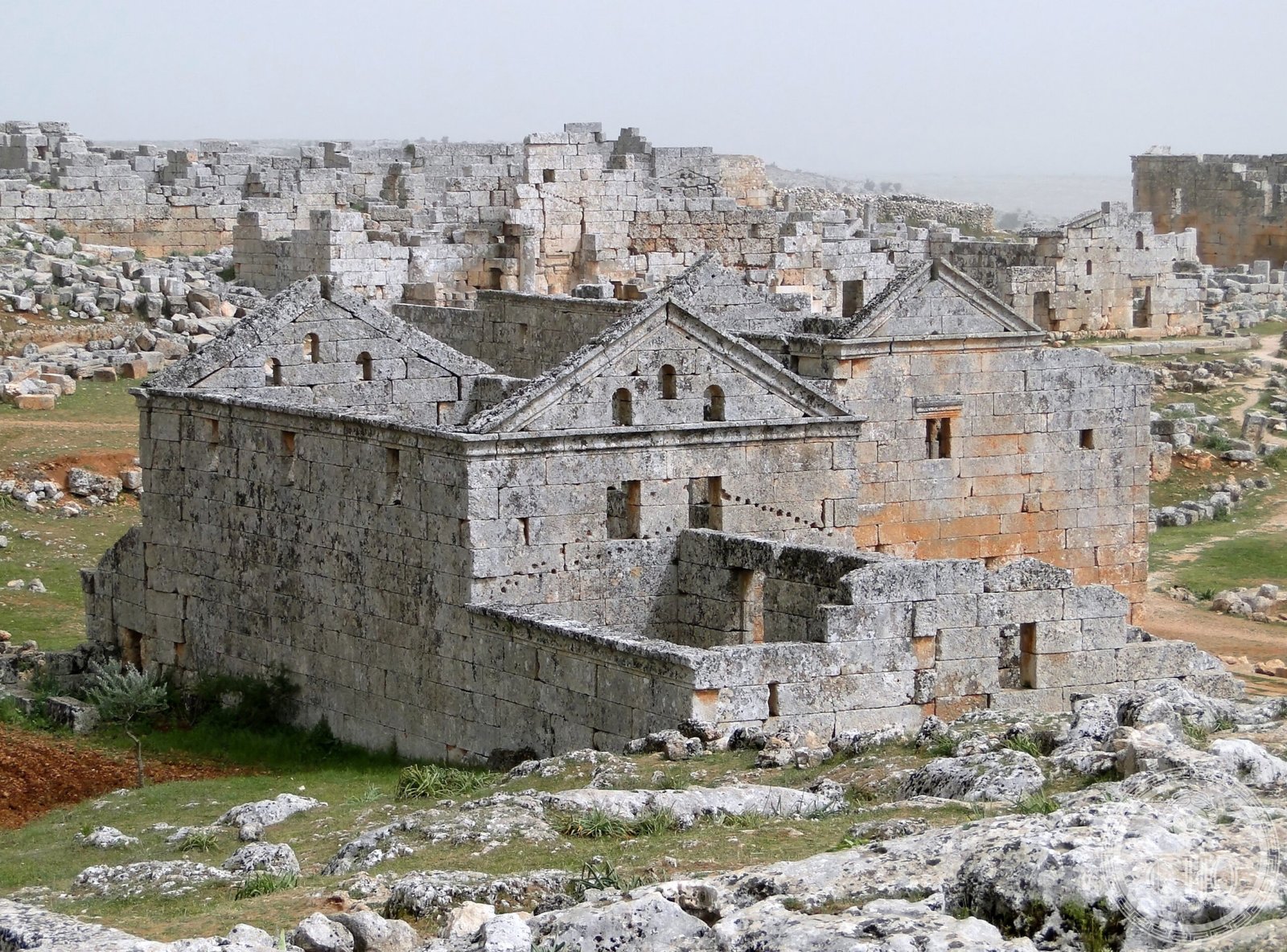
A vast archaeological landscape of 700 abandoned settlements in northwest Syria preserves the material culture of rural Late Antiquity and the Byzantine world, with some 40 villages now grouped in eight protected parks.
At a glance
The Dead Cities—known in Arabic as al-mudun al-mayyita—form a remarkable testament to early medieval rural life across the limestone highlands of northwest Syria. Spread over an area 20–40 km wide and 140 km long, these settlements showcase centuries of continuity in building practices and domestic organization before their abandonment between the 8th and 10th centuries.
History
Most settlements date from the 1st to 7th centuries, flourishing during the Pax Romana and Byzantine periods. Communities gradually ceased habitation between the 8th and 10th centuries, though the reasons for their abandonment remain partially understood. Today, eight archaeological parks preserve approximately 40 villages, offering structured access to this dispersed heritage.
What you see
The archaeological remains reveal the full spectrum of ancient urban and domestic life. Visitors encounter dwellings of varying sizes, pagan temples, churches with Byzantine architectural detail, water management systems including cisterns and bathhouses, and public structures. The limestone construction has enabled exceptional preservation of detail across thirteen centuries. Notable sites include the Church of Saint Simeon Stylites, Dahis, Serjilla, Ruweiha, and al Bara.
Cultural significance
The Dead Cities represent one of the world’s most extensive repositories of rural Late Antique and Byzantine material culture. They illuminate daily life in this transformative period—the shift from pagan to Christian communities, evolving agricultural practices, and the organization of provincial settlements far from major urban centers. This archaeological continuity across seven centuries remains comparatively rare.
Key facts
- Country: Syria
- Region: Northwestern Syria, between Aleppo and Idlib
- Coordinates: 36.33°N, 36.84°E
- UNESCO World Heritage Site: Yes
- Archaeological parks: 8
- Villages accessible: approximately 40
- Total settlements documented: approximately 700
- Dating: 1st–7th centuries (occupation); 8th–10th centuries (abandonment)
- Geology: Limestone Massif with three highland groups
Practical information & getting there
The Dead Cities lie in the Limestone Massif north of Aleppo and Idlib in northwestern Syria. Access and current conditions should be confirmed with local authorities and cultural heritage organizations, as the region has experienced periods of instability. The sites are distributed across a large area; guided visits to the eight archaeological parks are recommended for context and navigation.
Sources & resources
Find it on the map
See this place and what’s around it →📷 Become a Cultural Heritage Online photographer
Share your photos of places: they stay published under your name as the author. The more they're seen, the more you get noticed — and soon a contest will reward the most appreciated photos.
Log in or sign up free to add a photo