

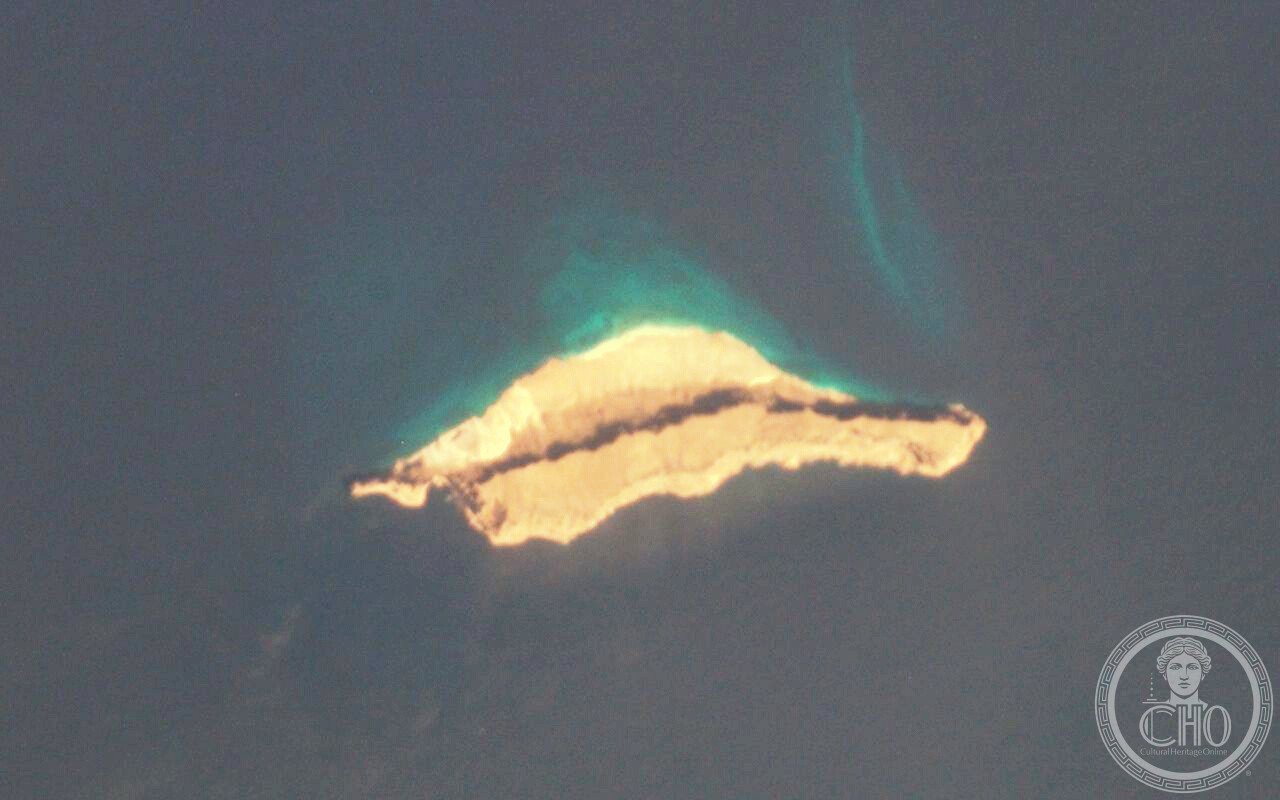
An uninhabited island in the Guardafui Channel, Darsah forms part of Yemen’s remote Socotra Archipelago and is known locally as one of “The Brothers” alongside its neighbour Samhah.
At a glance
Darsah is an uninhabited island located in the Guardafui Channel within the Socotra Archipelago. Together with Samhah, situated 17 kilometres to the west, the two islands are collectively referred to as “Al Akhawain”—Arabic for “The Brothers.”
History
Limited historical records exist for this remote, unpopulated island. Its Arabic name and regional designation as one of The Brothers reflect centuries of local maritime knowledge and cultural memory of the archipelago.
What you see
As an uninhabited island, Darsah presents natural geography rather than built structures. The island remains largely undocumented in accessible sources regarding its specific terrain or ecological character.
Cultural significance
Darsah holds symbolic importance within Yemeni cultural geography. Its pairing with Samhah under the name “The Brothers” represents enduring local toponymy and the maritime heritage of the Indian Ocean region.
Key facts
- Country: Yemen
- Location: Guardafui Channel, Socotra Archipelago
- Status: Uninhabited
- Coordinates: 12.12°N, 53.28°E
- Sister island: Samhah, 17 km to the west
- Local name: One of “Al Akhawain” (The Brothers)
Practical information & getting there
Darsah remains one of Yemen’s most remote islands. Access is extremely limited due to the island’s uninhabited status and the broader geopolitical situation affecting Yemen. Specialized maritime expeditions are required for any visit.
Sources & resources
Find it on the map
See this place and what’s around it →📷 Become a Cultural Heritage Online photographer
Share your photos of places: they stay published under your name as the author. The more they're seen, the more you get noticed — and soon a contest will reward the most appreciated photos.
Log in or sign up free to add a photoIs this page about you?
This page is read by travellers and heritage enthusiasts who find it on Google. Tell us how you are connected to this place and we will take it from there.