
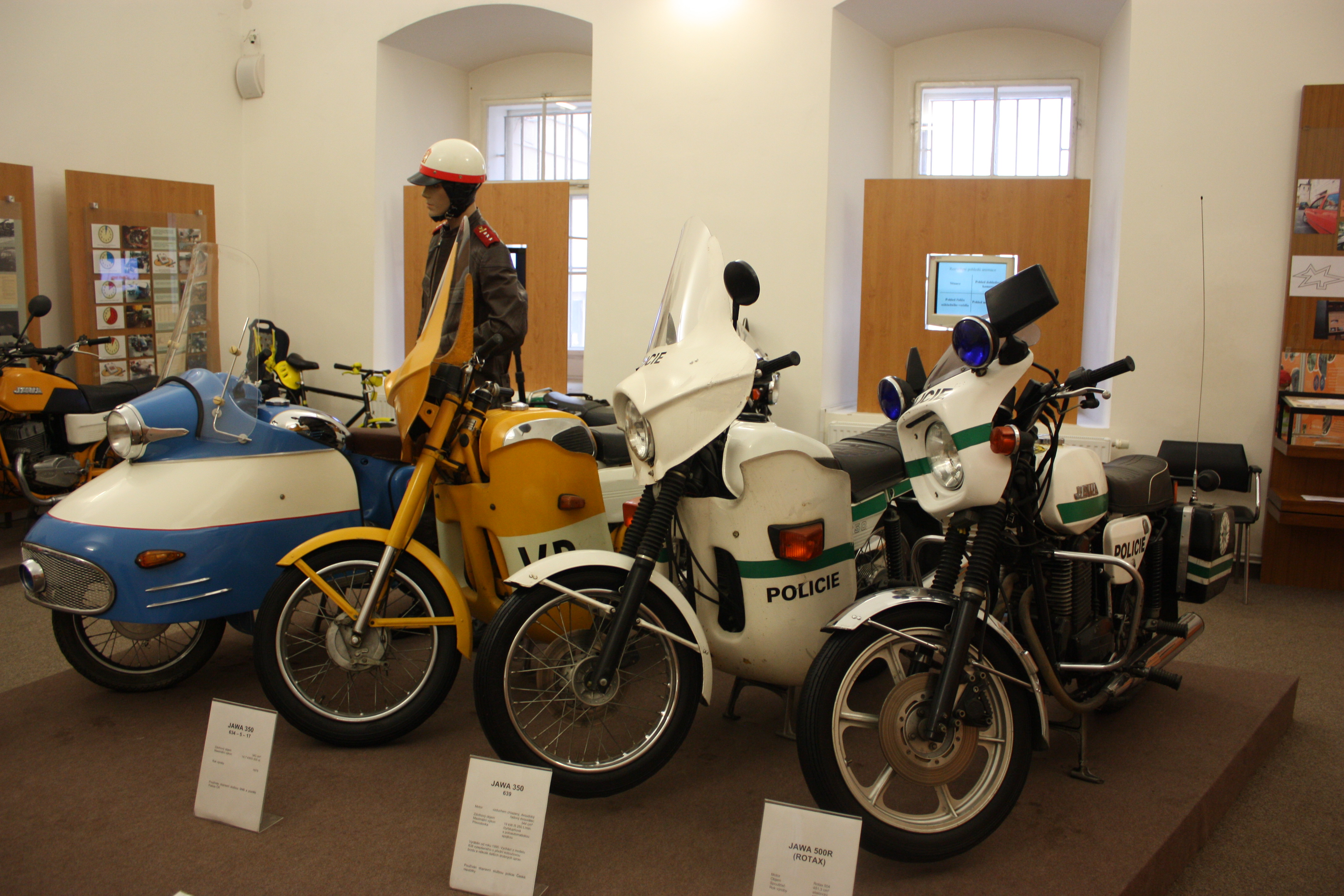
Housed in a former Augustinian monastery, this museum documents law enforcement history across Czechoslovakia and the Czech Republic from 1918 to the present.
At a glance
The Czech Police Museum occupies a 14th-century monastery in Prague’s Karlov neighbourhood, within the New Town. Its collections trace the development of state security forces, criminal investigation, and border protection across two centuries of Central European history.
History
The Augustinian monastery was founded in 1350 by Charles IV and originally served as the Church of the Assumption of the Blessed Virgin Mary and St Charles the Great. When Emperor Joseph II dissolved the monastery, the complex passed to state ownership and was repurposed as a warehouse, hospital for infectious diseases, almshouse, and—during World War I—a convalescent centre for soldiers.
In the 1960s, the Ministry of the Interior acquired the grounds and established it first as a state regional archive, then transformed it into a museum dedicated to law enforcement history.
What you see
The museum is set within the original monastery buildings, preserving the historical character of this 14th-century foundation. The space accommodates both permanent and temporary exhibitions across multiple galleries.
Cultural significance
The museum serves as a comprehensive archive of Central European policing history, documenting institutional development, forensic science, and criminal investigation methods. Its permanent exhibitions on petty crimes in Old Prague provide social historical context alongside official police records, offering visitors insight into law enforcement’s evolution during transformative periods.
Key facts
- Location: Karlov neighbourhood, New Town, Prague
- Country: Czechia
- Coordinates: 50.069°N, 14.428°E
- Original foundation: 1350 (by Charles IV)
- Current use as museum: 1960s–present
- Hours: Open daily except Monday
Practical information & getting there
The museum is located in Prague’s Karlov district within the New Town. The former monastery remains accessible to the public, with exhibitions open daily except Mondays. Temporary exhibitions complement permanent displays on forensic science, criminal investigation, and border protection history.
Sources & resources
Find it on the map
See this place and what’s around it →📷 Become a Cultural Heritage Online photographer
Share your photos of places: they stay published under your name as the author. The more they're seen, the more you get noticed — and soon a contest will reward the most appreciated photos.
Log in or sign up free to add a photoIs this page about you?
This page is read by travellers and heritage enthusiasts who find it on Google. Tell us how you are connected to this place and we will take it from there.