
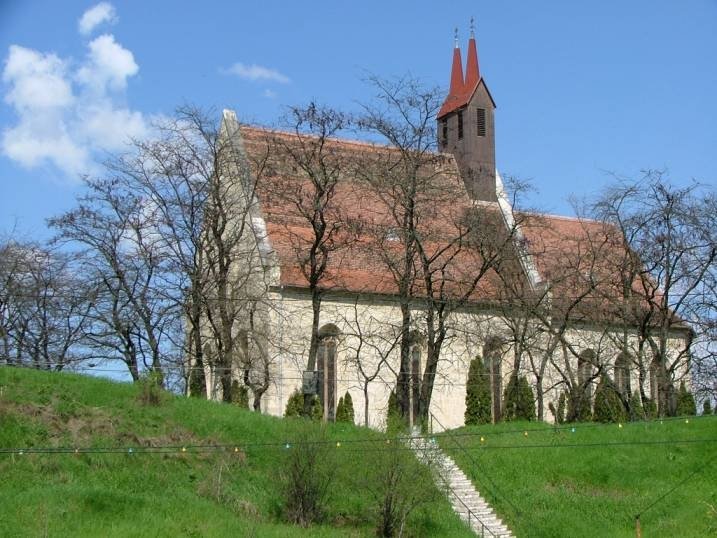
A Benedictine monastery church in Cluj-Napoca’s Mănăștur district, this structure represents the religious heritage of Romania’s Transylvanian region.
At a glance
The Cluj-Mănăștur Calvaria Church stands in the Mănăștur district of Cluj-Napoca. Originally established as a Benedictine monastery, the building reflects the monastic traditions of medieval Transylvania and the broader Central European religious landscape.
History
The church was originally founded as a monastery for the Benedictine order. The Benedictines, one of Europe’s most influential monastic communities, established settlements across Transylvania during the medieval period. Their presence in Cluj contributed to the region’s spiritual and intellectual development.
What you see
The building’s design reflects its monastic origins. As a Benedictine foundation, the architecture would have been organized to serve the community’s liturgical and daily needs—though detailed architectural description awaits further documentation.
Cultural significance
The church represents an important chapter in Transylvania’s religious history. Benedictine monasteries served as centers of learning, agriculture, and spiritual life throughout medieval Europe. The Cluj-Mănăștur site embodies this legacy within Romania’s cultural landscape.
Key facts
- Country: Romania
- City: Cluj County (Cluj-Napoca)
- District: Mănăștur
- Original order: Benedictines
- Coordinates: 46.76138889, 23.55777778
Practical information & getting there
The church is located in the Mănăștur district of Cluj-Napoca, a major city in Transylvania. Detailed opening hours and visitor information are available through local tourism offices in Cluj County.
Sources & resources
Find it on the map
See this place and what’s around it →📷 Become a Cultural Heritage Online photographer
Share your photos of places: they stay published under your name as the author. The more they're seen, the more you get noticed — and soon a contest will reward the most appreciated photos.
Log in or sign up free to add a photoIs this page about you?
This page is read by travellers and heritage enthusiasts who find it on Google. Tell us how you are connected to this place and we will take it from there.