
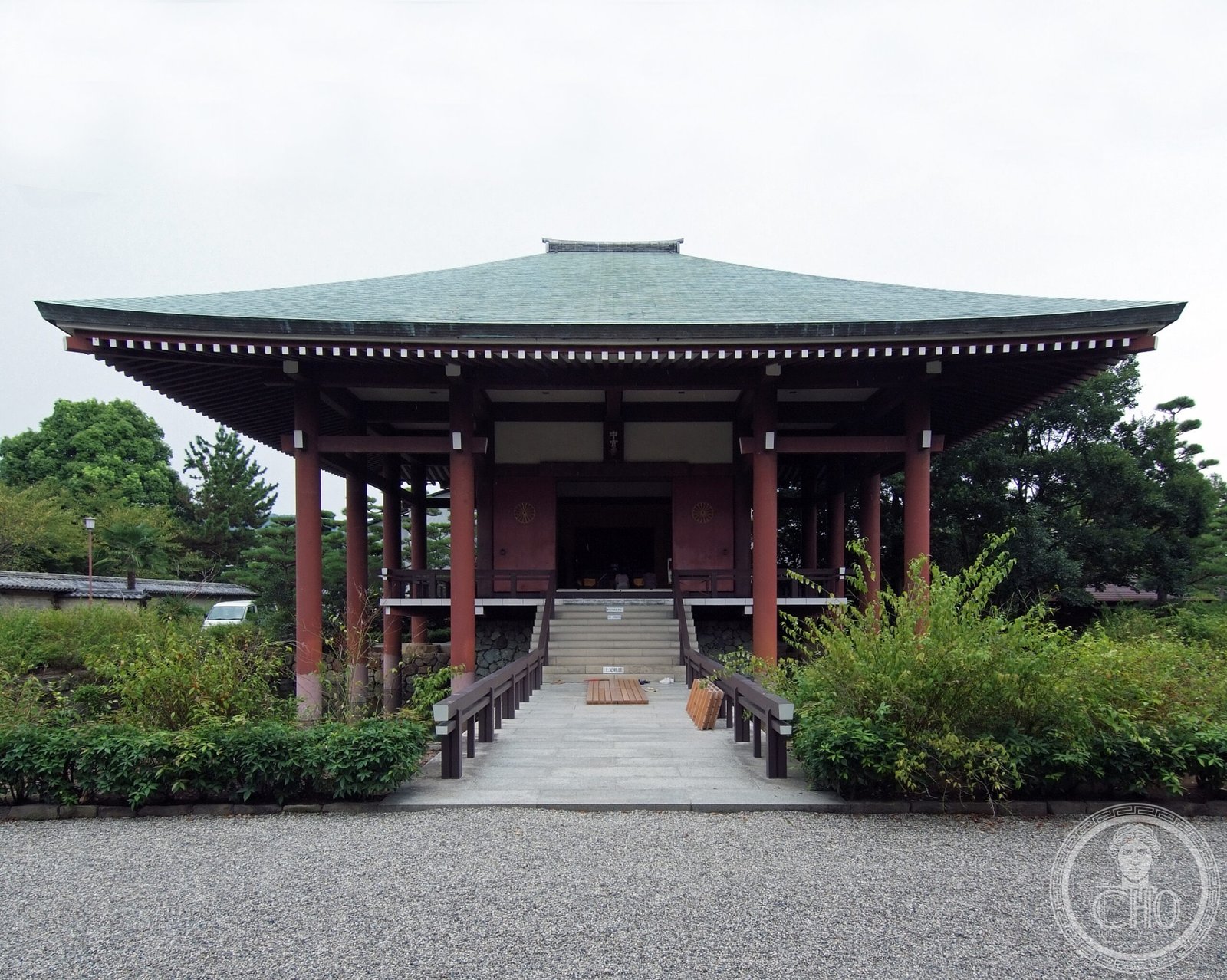
A seventh-century Buddhist nunnery founded by Prince Shōtoku, Chūgū-ji houses two National Treasures: an iconic Miroku statue and the Tenjukoku mandala.
At a glance
Chūgū-ji stands immediately northeast of the celebrated Hōryū-ji temple in Nara. Established as a nunnery in the seventh century, it remains one of three convents in Yamato whose chief priestesses were imperial princesses, underscoring its historical importance within Japan’s Buddhist institutional hierarchy.
History
Prince Shōtoku founded Chūgū-ji as a Buddhist nunnery during the seventh century, a period of rapid Buddhist development in Japan. The temple’s status as home to an imperial-princess priestess reflects both royal patronage and the elevated role women held within certain Buddhist communities during the Asuka and early Nara periods.
What you see
The temple preserves two objects of extraordinary cultural value. The Miroku statue, a work of profound spiritual presence, exemplifies seventh-century Buddhist sculpture. The Tenjukoku mandala—a pictorial representation of the heavenly realm—represents sophisticated religious artistry and remains among Japan’s most significant Buddhist textiles.
Cultural significance
Both the Miroku statue and Tenjukoku mandala hold National Treasure designation, Japan’s highest protection status for cultural property. Chūgū-ji’s proximity to Hōryū-ji creates a landscape of exceptional Buddhist heritage, while its role as a nunnery led by imperial women illustrates the complex intersection of aristocratic power and religious authority in early Japan.
Key facts
- Country: Japan
- Location: Ikaruga, Nara Prefecture
- Founded: 7th century
- Founder: Prince Shōtoku
- Coordinates: 34.615°N, 135.739°E
- National Treasures: Miroku statue, Tenjukoku mandala
Practical information & getting there
Chūgū-ji is located in Ikaruga town, Nara Prefecture, in the Kansai region of Japan. You can reach it by local transport from Nara city or via connections to nearby Hōryū-ji. Check ahead for visiting hours and any seasonal closures.
Sources & resources
Find it on the map
See this place and what’s around it →📷 Diventa un fotografo di Cultural Heritage Online
Condividi le tue foto dei luoghi: restano pubblicate con la tua firma come autore. Più vengono viste, più ti fai conoscere — e presto un concorso premierà le foto più apprezzate.
Accedi o registrati gratis per aggiungere una fotoDo you manage this place?
This page is read by travellers and heritage enthusiasts who find it on Google. Keep it accurate — and make it work for you. Free for non-profit heritage institutions.