
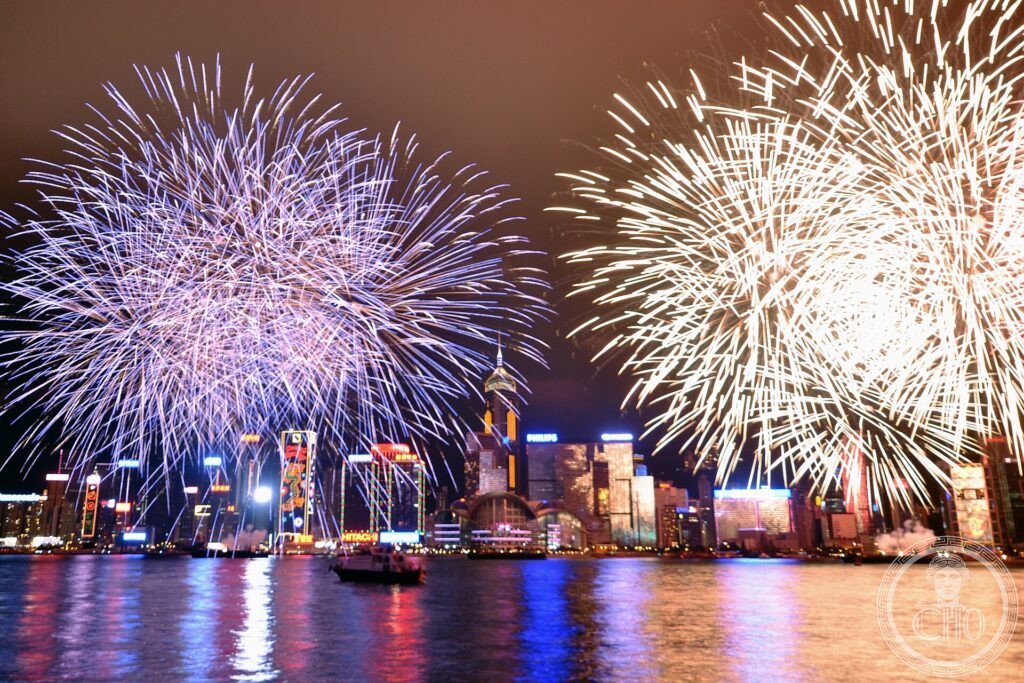
The Spring Festival marks the beginning of the lunisolar year across China and the Chinese diaspora, uniting families in reunion dinners, ritual cleansing, and the exchange of blessings from Chinese New Year’s Eve through the Lantern Festival on the 15th day.
At a glance
Chinese New Year, known also as the Spring Festival, is one of the most important holidays in Chinese culture. It celebrates the end of winter and the beginning of spring, falling on the new moon appearing between 21 January and 20 February. The festival lasts from Chinese New Year’s Eve to the Lantern Festival, binding together millions across China and Chinese communities worldwide in shared ritual and renewal.
Origins & history
The festival was traditionally a time to honour deities and ancestors, establishing deep spiritual roots in Chinese cosmology and family obligation. Throughout China’s regions, distinct local customs and traditions have evolved, reflecting the diversity of communities who observe it.
The practice
Families gather for the annual reunion dinner on Chinese New Year’s Eve, the cornerstone of celebration. Homes are thoroughly cleaned beforehand, symbolically sweeping away ill fortune to welcome good luck. Windows and doors are decorated with red paper-cuts and couplets bearing characters for good fortune, happiness, wealth, and longevity. Firecrackers light the night sky; money is given in red envelopes—hongbao—to children and elders. These material practices—red paper, firecrackers, gifts—create a sensory landscape of renewal and prosperity.
Cultural significance
The Spring Festival affirms family bonds and continuity with ancestors. It marks a calendrical turning point, aligning daily life with the rhythm of nature and tradition. Beyond China’s borders, Chinese New Year has influenced Lunar New Year celebrations among Vietnamese, Korean, Japanese, Tibetan, and Okinawan communities, extending its cultural resonance across East and Southeast Asia.
Key facts
- Countries: China
- Anchor community: Beijing
- Dates: Chinese New Year’s Eve to Lantern Festival (15th day of lunisolar calendar)
- First day falls on new moon between 21 January and 20 February
- UNESCO Intangible Cultural Heritage (2126)
Where to experience it
Beijing and cities throughout China observe the Spring Festival with reunion dinners, decorations, and street celebrations during the festival period. Chinese communities in Southeast Asia, Australia, North America, Europe, and Africa celebrate with public festivals and parades. The timing follows the lunisolar calendar rather than a fixed date.
Sources & resources
- UNESCO Intangible Cultural Heritage: https://ich.unesco.org/en/RL/spring-festival-social-practices-of-the-chinese-people-in-celebration-of-traditional-new-year-02126
- Wikipedia: https://en.wikipedia.org/wiki/Chinese_New_Year
- Cultural Heritage Online: https://culturalheritageonline.com
Find it on the map
See this place and what’s around it →📷 Become a Cultural Heritage Online photographer
Share your photos of places: they stay published under your name as the author. The more they're seen, the more you get noticed — and soon a contest will reward the most appreciated photos.
Log in or sign up free to add a photo