
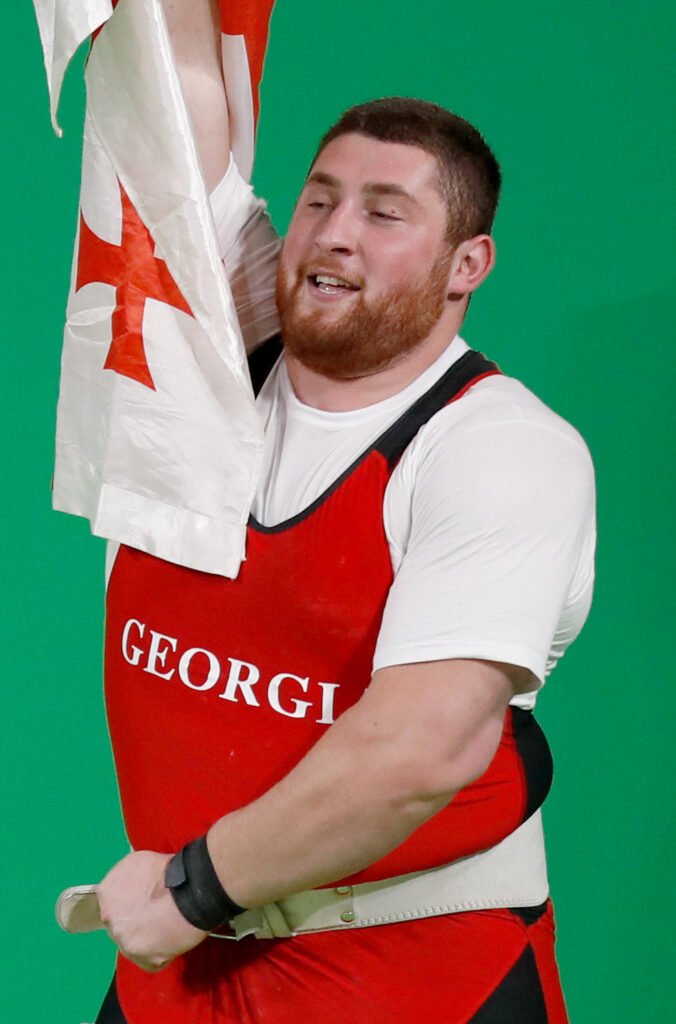
Georgia’s ancient wrestling tradition, where athletes grapple in close contact using specialized holds and techniques passed down through centuries of competitive practice.
At a glance
Chidaoba is a form of wrestling deeply embedded in Georgian culture, representing one of the country’s oldest sports alongside judo, weightlifting, and rugby union. Wrestlers engage in dynamic close-contact competition, employing traditional holds and techniques that distinguish the practice from other wrestling styles across the Caucasus and beyond.
Origins & history
Wrestling has long been woven into Georgian life and identity. While the 19th century saw the rise of polo and the traditional game of lelo, chidaoba has maintained its place as a cornerstone of Georgian athletic culture. The practice reflects centuries of accumulated knowledge about technique, training, and competitive etiquette.
The practice
Chidaoba wrestlers face each other in close contact, using their bodies strategically to apply holds and maneuvers. The sport demands strength, balance, and precise understanding of leverage and positioning. Matches unfold through direct physical engagement, with competitors wearing traditional or contemporary athletic attire depending on the venue and level of competition.
Cultural significance
Chidaoba embodies Georgian values of honor, physical prowess, and community identity. The practice connects practitioners and spectators to their heritage while remaining actively competitive at local, national, and international levels. Wrestling remains central to Georgian sports culture, valued equally alongside football and other popular disciplines.
Key facts
- Countries: Georgia
- Heartland: Tbilisi and throughout Georgia
- UNESCO Intangible Cultural Heritage inscription: 2016 (reference 01371)
- Coordinates (Tbilisi): 41.72671, 44.79045
Where to experience it
Tbilisi and other Georgian cities host wrestling competitions and training facilities where the practice thrives. Specific festivals and competition schedules are best confirmed locally, as they vary seasonally.
Sources & resources
Find it on the map
See this place and what’s around it →📷 Become a Cultural Heritage Online photographer
Share your photos of places: they stay published under your name as the author. The more they're seen, the more you get noticed — and soon a contest will reward the most appreciated photos.
Log in or sign up free to add a photo