
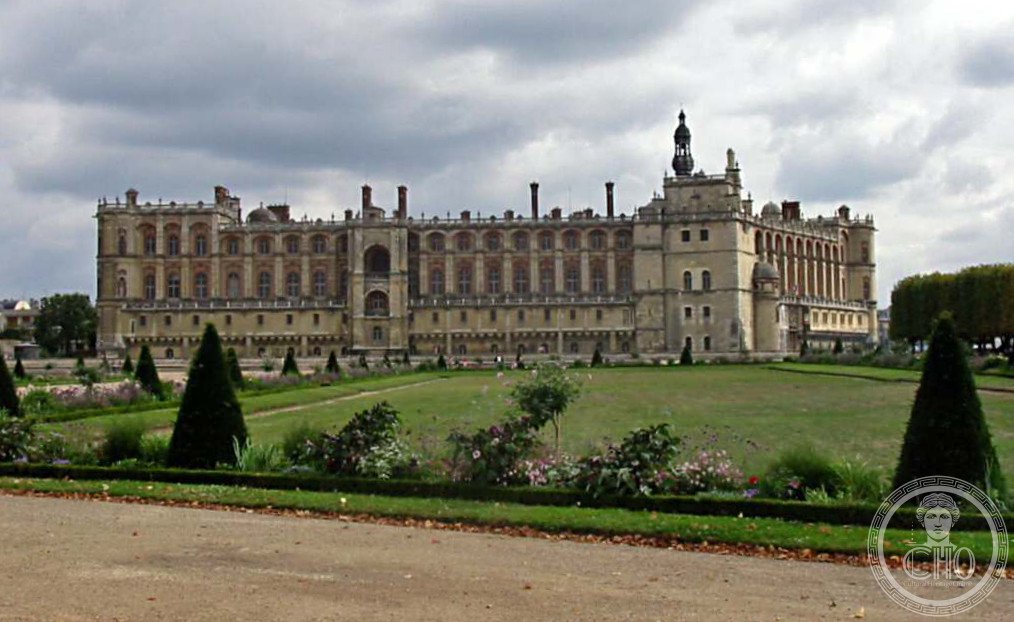
A former royal palace west of Paris, transformed into France’s National Museum of Archaeology.
At a glance
The Château de Saint-Germain-en-Laye stands in the Yvelines department, approximately 19 kilometres west of Paris. Once a seat of royal power, the palace now serves as the Musée d’Archéologie nationale, preserving and displaying the material heritage of French civilization across millennia.
History
The château’s origins and architectural development reflect its importance within French royal history. Its transformation into a national museum demonstrates the nineteenth-century impulse to preserve monumental architecture as repositories of national identity and archaeological knowledge.
What you see
The building survives as a substantial royal residence. Visitors encounter the physical embodiment of palace architecture adapted to museological purposes, with interior spaces configured to display archaeological collections rather than royal ceremonial functions.
Cultural significance
The château represents the dual heritage of French royal power and national archaeological stewardship. Its conversion to a museum reflects evolving attitudes toward cultural property, transforming a private seat of authority into a public institution dedicated to understanding France’s prehistoric and historical past.
Key facts
- Location: Saint-Germain-en-Laye, Yvelines, France
- Distance from Paris: approximately 19 km west
- Coordinates: 48.898, 2.096
- Current use: Musée d’Archéologie nationale (National Museum of Archaeology)
Practical information & getting there
The château is accessible from Paris via regional transport links. You can reach Saint-Germain-en-Laye by train or road. Check the museum’s official website for current opening hours, admission fees, and any temporary closures before your visit.
Sources & resources
Find it on the map
See this place and what’s around it →📷 Become a Cultural Heritage Online photographer
Share your photos of places: they stay published under your name as the author. The more they're seen, the more you get noticed — and soon a contest will reward the most appreciated photos.
Log in or sign up free to add a photoIs this page about you?
This page is read by travellers and heritage enthusiasts who find it on Google. Tell us how you are connected to this place and we will take it from there.