
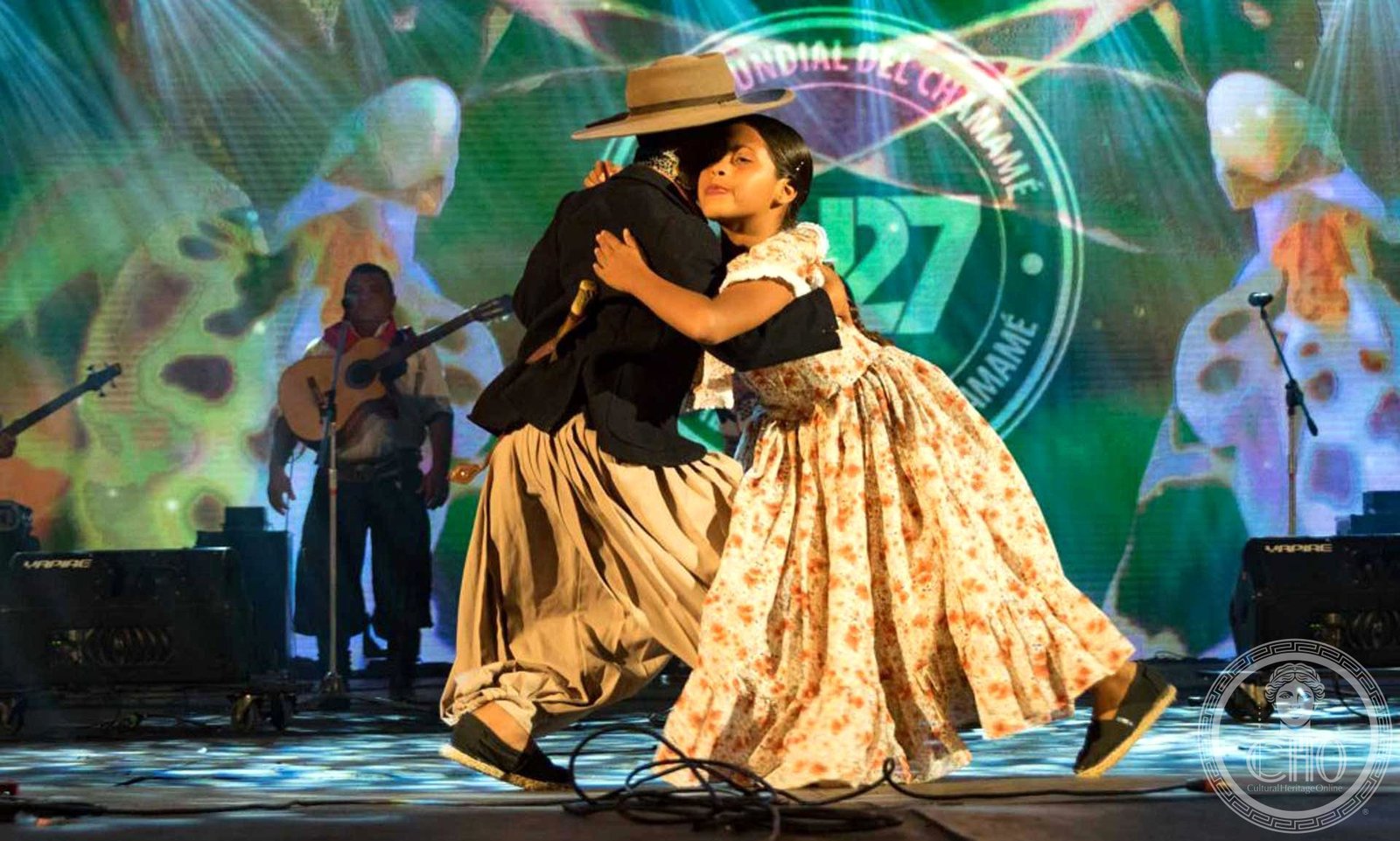
A folk music genre born from the convergence of Guaraní, Spanish, and European traditions, Chamamé animates the northeast Argentine region with accordion-driven rhythms and the spirit of cultural exchange.
At a glance
Chamamé—a word meaning party or disorder in Guaraní—is a folk music genre rooted in northeast Argentina and Argentine Mesopotamia. The tradition blends indigenous Guaraní musical sensibilities with Spanish guitars, European accordions, and the schottische rhythm brought by Volga German immigrants in the early twentieth century. Played across the borders of Paraguay and Uruguay, Chamamé represents a living dialogue among the cultures that shaped the region.
Origins and history
The musical lineage of Chamamé traces to the Jesuit reductions of the colonial period, which fostered cultural exchange until the Spanish Crown expelled the Jesuits in the late eighteenth century. Yapeyú, in Corrientes province, emerged as a centre of musical culture and is widely recognized as the birthplace of original Chamamé. The tradition evolved as immigrant communities—particularly Volga Germans—introduced the accordion and schottische rhythm in the early 1900s. By 1931, the term “Chamamé” was already established; earlier, the music had been called the Corrientes Polka. Recordings survive from the early twentieth century onward, documenting the genre’s development.
The tradition today
Contemporary Chamamé remains an accordion-led ensemble music, typically performed at festivals, celebrations, and cultural events throughout Corrientes and neighbouring provinces. Musicians continue to draw from the repertoire shaped by generations of performers, maintaining both historical pieces and contemporary compositions that honour the tradition’s roots. The accordion remains the signature instrument, supported by guitar and other elements inherited from its immigrant and indigenous forebears.
Cultural significance
Chamamé embodies the mestizo identity of northeast Argentina—a musical crystallization of indigenous Guaraní heritage, Spanish colonial influence, and European immigration. The tradition affirms regional pride across Corrientes and the bordering territories of Paraguay and Uruguay. It has also become a vehicle for Argentine cultural diplomacy; in September 2023, accordionist Alejandro Brittes performed Chamamé at the Library of Congress in Washington, D.C., demonstrating the genre’s growing recognition beyond South America.
Key facts
- Country: Argentina
- Anchor community: Corrientes (particularly Yapeyú)
- UNESCO inscription: Intangible Cultural Heritage, Representative List, 2020 (nominated by Argentina in 2018)
- Notable performers: Teresa Parodi, Tránsito Cocomarola, Alejandro Brittes, Ramona Galarza, Chango Spasiuk
- Primary instruments: Accordion, guitar, violin
- Earliest recorded term: 1931; previously known as Corrientes Polka
Where to experience it
You can encounter Chamamé at cultural festivals and folk music venues throughout Corrientes province, particularly in Yapeyú and the regional capitals. Many celebrations of Argentine folklore feature live performances. The music is also widely available through recordings by established and contemporary performers, offering an introduction to the tradition for those unable to travel to northeast Argentina.
Sources & resources
Find it on the map
See this place and what’s around it →📷 Become a Cultural Heritage Online photographer
Share your photos of places: they stay published under your name as the author. The more they're seen, the more you get noticed — and soon a contest will reward the most appreciated photos.
Log in or sign up free to add a photo