
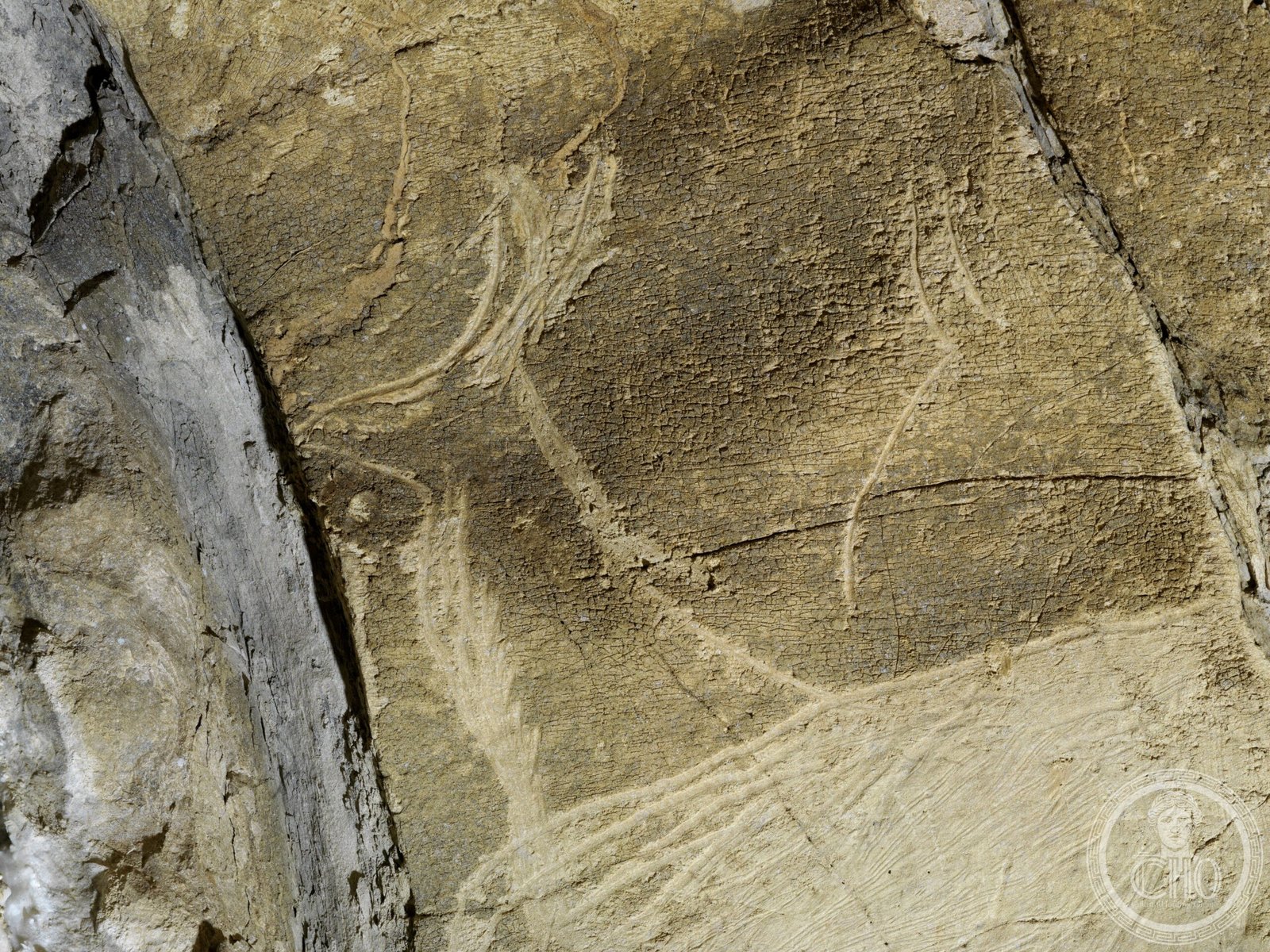
A sanctuary of Paleolithic art in Spain’s Basque Country, Altxerri preserves some of Europe’s oldest stone paintings alongside one of the region’s most extensive collections of animal engravings.
At a glance
Located in the municipality of Aya, the Cave of Altxerri contains rock paintings and engravings from the Upper Magdalenian period of the Upper Paleolithic. An upper gallery known as Altxerri B was dated in 2013 as containing the oldest stone paintings in Europe, at approximately 39,000 years old. The cave also houses around one hundred and twenty engravings, of which ninety-two depict animals.
History
The paintings and engravings were created during the Upper Magdalenian period, placing them among the earliest artistic expressions of European Paleolithic culture. The upper gallery’s works were identified in 2013 as the continent’s oldest known stone paintings, extending our understanding of human artistic development back 39,000 years.
What you see
The cave’s artistic tradition reflects the Franco-Cantabrian School, known for realistic representation of animal subjects. Bison dominate the engraved inventory with fifty-three examples. Other fauna depicted include reindeer (six engravings), deer and goats (four each), horses and aurochs (three each), saiga antelope (two), and singular representations of wolverine, fox, hare, and bird.
Cultural significance
Altxerri stands as a critical record of early human artistic achievement and spiritual life. UNESCO recognized its importance in 2008, designating it a World Heritage Site as part of the collective grouping “Cave of Altamira and Paleolithic Cave Art of Northern Spain,” which encompasses seventeen caves across northern Spain.
Key facts
- Country: Spain
- Municipality: Aya, Gipuzkoa
- Coordinates: 43.27°N, 2.13°W
- UNESCO World Heritage Site (2008)
- Estimated age of oldest paintings: 39,000 years
- Number of engravings: approximately 120
Practical information & getting there
The cave is closed to the public. Information about the site and its significance is available through official cultural heritage resources and museum exhibitions in the Basque Country region.
Sources & resources
Find it on the map
See this place and what’s around it →📷 Become a Cultural Heritage Online photographer
Share your photos of places: they stay published under your name as the author. The more they're seen, the more you get noticed — and soon a contest will reward the most appreciated photos.
Log in or sign up free to add a photo