
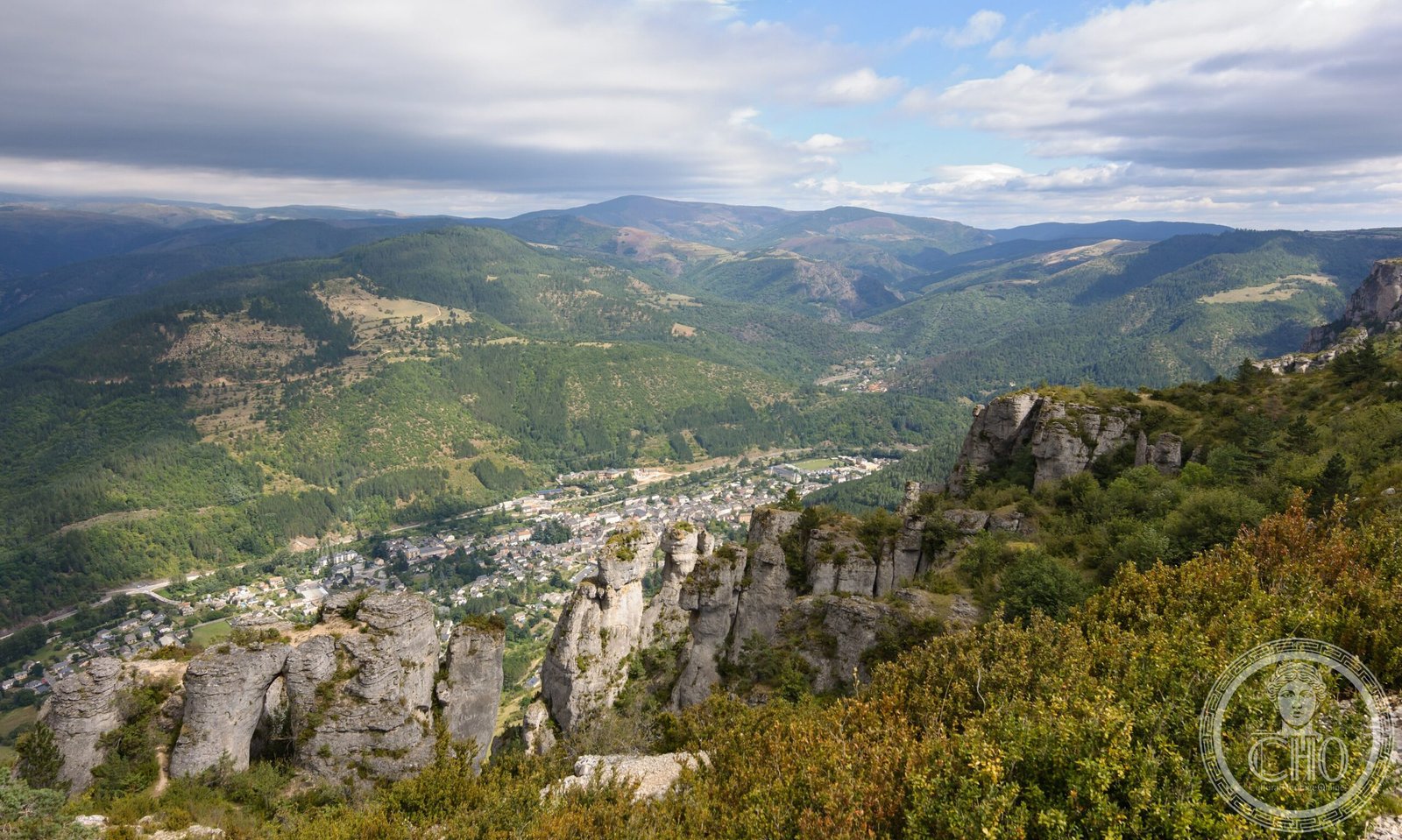
A mountainous Mediterranean agro-pastoral landscape shaped by three millennia of human settlement and livestock management in France’s Massif Central.
At a glance
The Causses and Cévennes region encompasses a vast UNESCO World Heritage site distinguished by its long history of sustainable pastoralism. Narrow valleys and rocky plateaus—poorly suited to urban development—became ideal terrain for shepherds and herders. Today the landscape remains a living archive of Mediterranean agricultural practice.
History
Over three thousand years, the Causses and Cévennes evolved into a complex mosaic of agro-pastoral systems. Communities adapted their livelihoods to steep terrain through silvopasture (trees and livestock combined), transhumance (seasonal migration of herds), and sedentary pastoralism. Mont Lozère stands as one of the last strongholds where traditional summer transhumance continues unbroken—shepherds still move their flocks to high pastures in the ancient pattern.
What you see
The landscape itself is the monument. Dry stone walls terrrace hillsides. Scattered stone buildings shelter shepherds and stores. Open moorlands alternate with oak and beech forest. The topography—mountainous and deeply carved by valleys—reveals centuries of pastoral use in every contour.
Cultural significance
The Causses and Cévennes represent an exceptional expression of human interaction with a Mediterranean mountain environment. The persistence of traditional transhumance on Mont Lozère makes this region globally significant for the preservation of pastoralist heritage and ecological knowledge. UNESCO recognized it as a model of sustainable agro-pastoral land use.
Key facts
- Country: France
- Region: Massif Central
- Coordinates: 44.22, 3.47
- UNESCO World Heritage Site: Yes
- Historical span: Over three millennia of agro-pastoral history
Practical information & getting there
The Causses and Cévennes are accessible by car from southern central France. Mont Lozère and surrounding peaks are best visited in summer when transhumance is active and high-altitude pastures are open. Local tourist offices provide information on hiking trails and pastoral routes. The region rewards slow travel and walking.
Sources & resources
- Causses and Cévennes – Wikipedia
- Cultural Heritage Online
Find it on the map
See this place and what’s around it →📷 Become a Cultural Heritage Online photographer
Share your photos of places: they stay published under your name as the author. The more they're seen, the more you get noticed — and soon a contest will reward the most appreciated photos.
Log in or sign up free to add a photo