
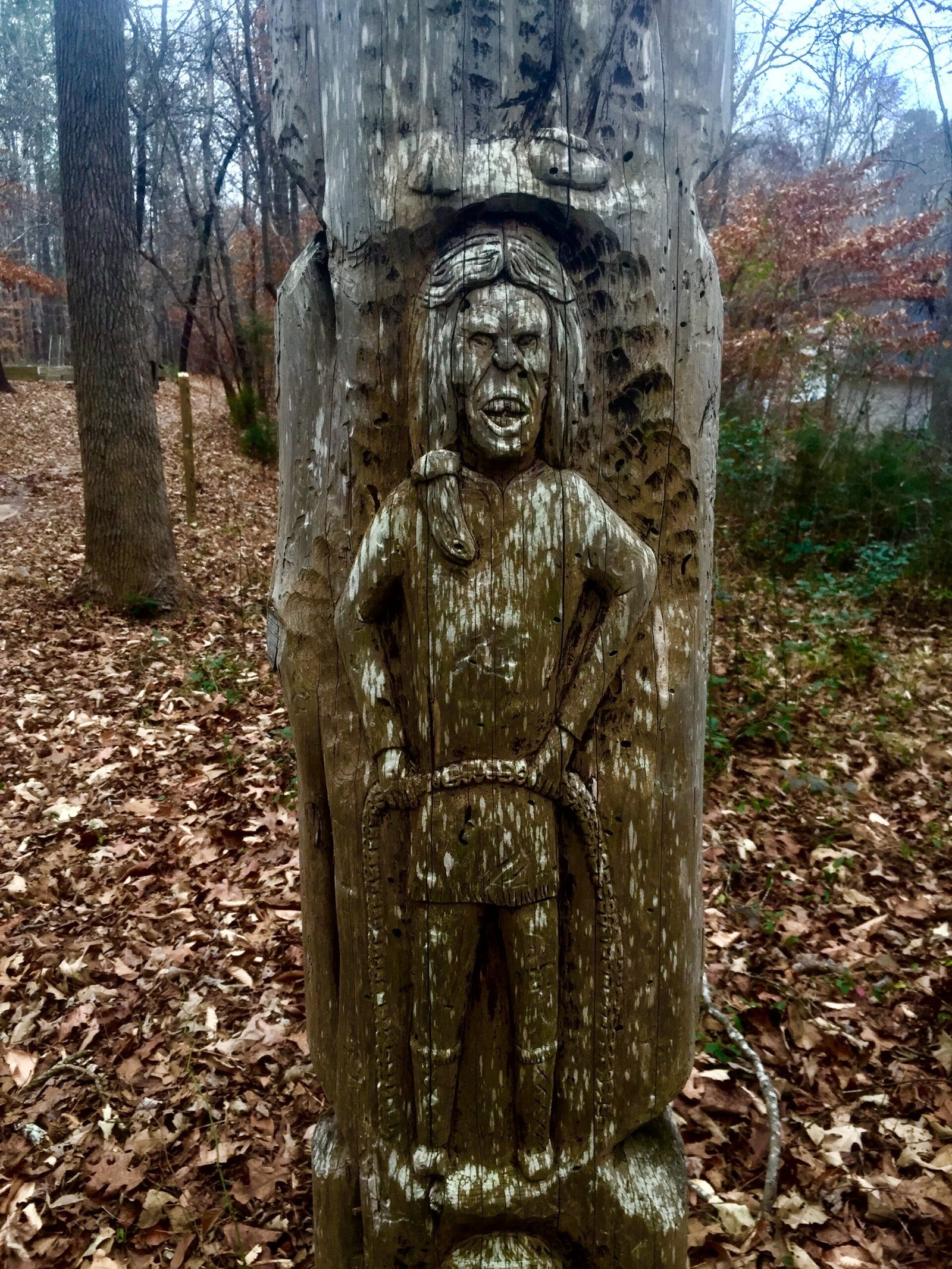
The museum and woodland trail of the Catawba, the river people whose pottery is among the oldest living craft traditions in North America.
At a glance
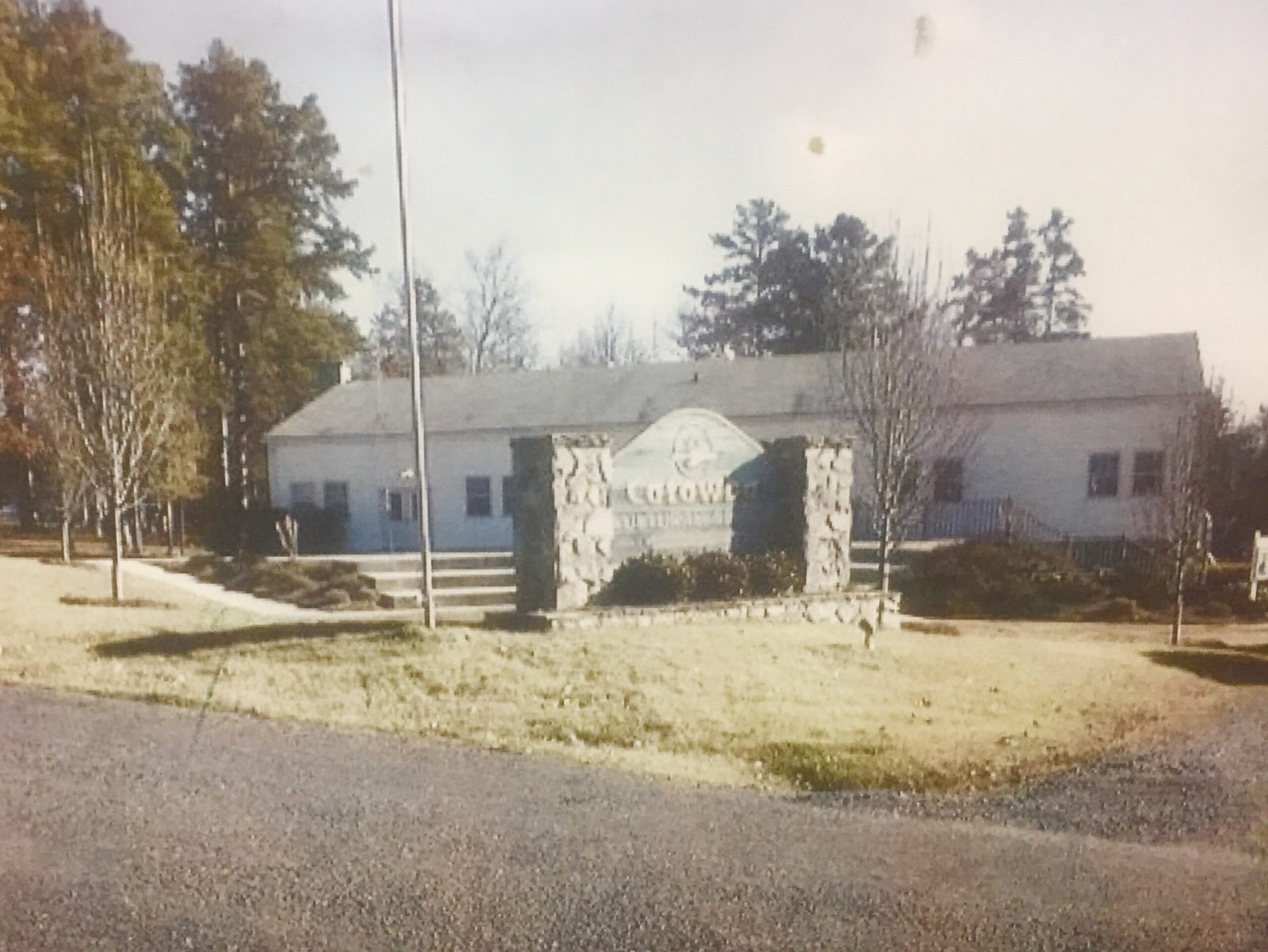
The Catawba Cultural Center sits on the reservation of the Catawba Indian Nation in York County, South Carolina, on land the tribe has held beside the Catawba River for centuries. Under one low roof it holds a museum, an archive and a gift shop; behind it, the Yehasuri Trail runs off into the woods. It is a small place that carries a very long history.
History
The Catawba call themselves the “river people”, and they are the only federally recognised Native American tribe in South Carolina. A reservation was first set aside for them by treaty in 1760 and 1763, but the nineteenth and twentieth centuries stripped away most of their land and standing. In 1959 the federal government formally terminated the tribe altogether. It took decades of effort and a long land claim before the Catawba regained federal recognition in 1993 — a settlement that also restored a measure of land and self-government. The cultural center exists to hold what survived that history and to carry it forward.
Catawba pottery
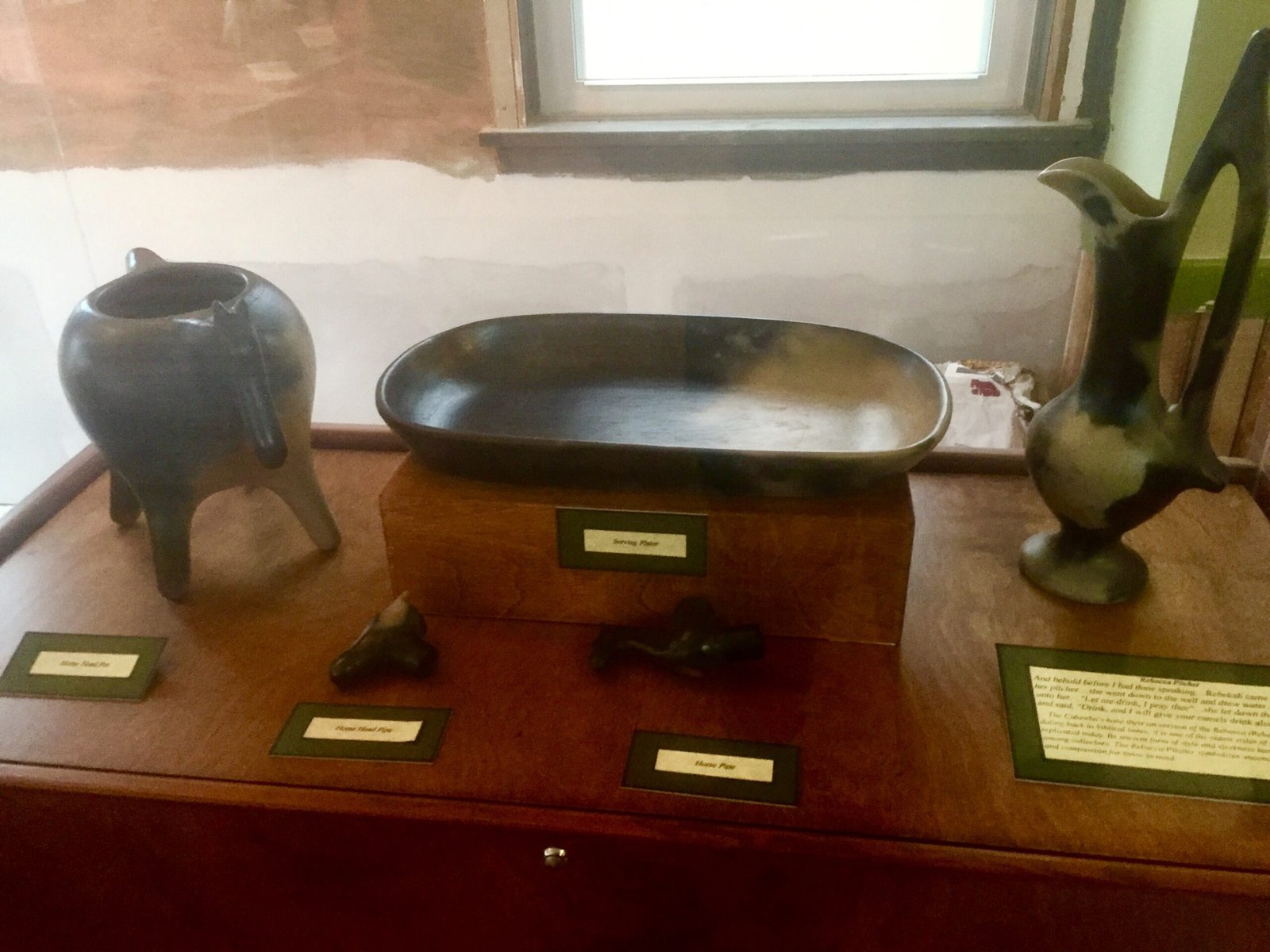
The pottery is the heart of it. Catawba potters dig their clay from secret places along the riverbank, build each vessel by hand without a wheel, burnish it smooth with river stones, and fire it in the open rather than a kiln. The colours — oranges, blacks, mottled greys — come from the fire itself, not from glaze. It is counted among the oldest continuous pottery traditions in North America, passed from one generation of potters to the next without a break, and the cases here trace its shapes from ancient forms to work made today.
Inside the museum
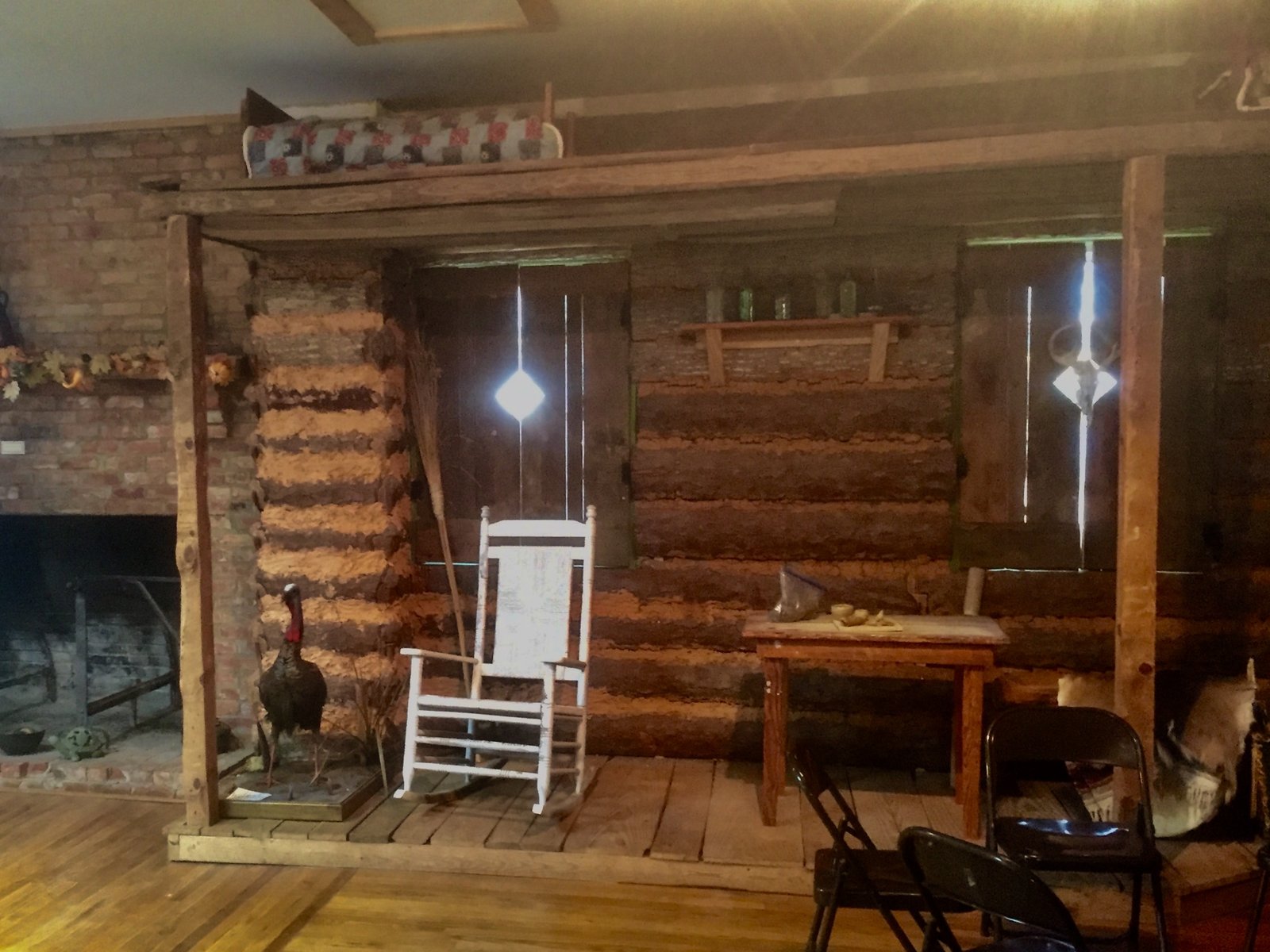
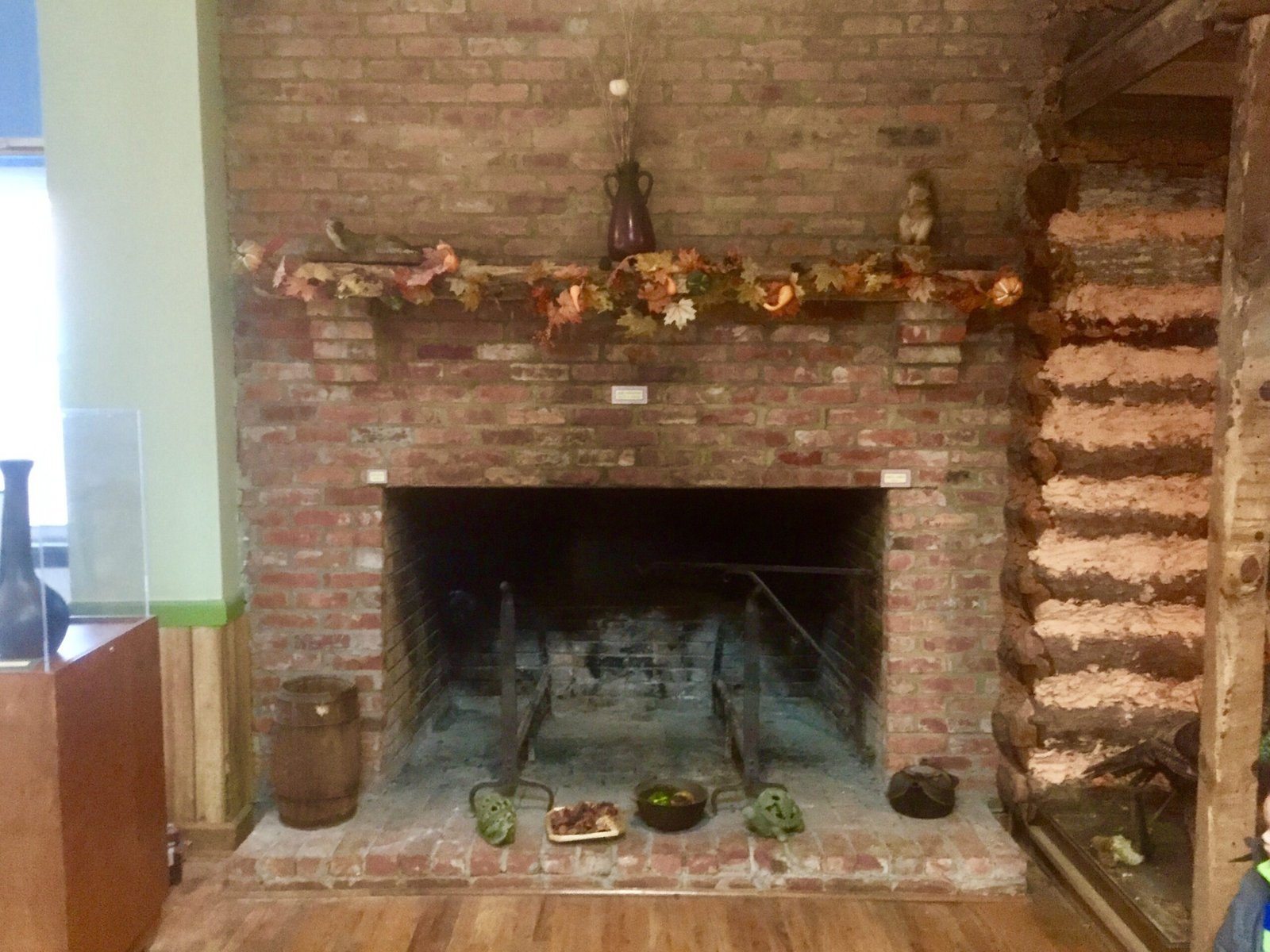
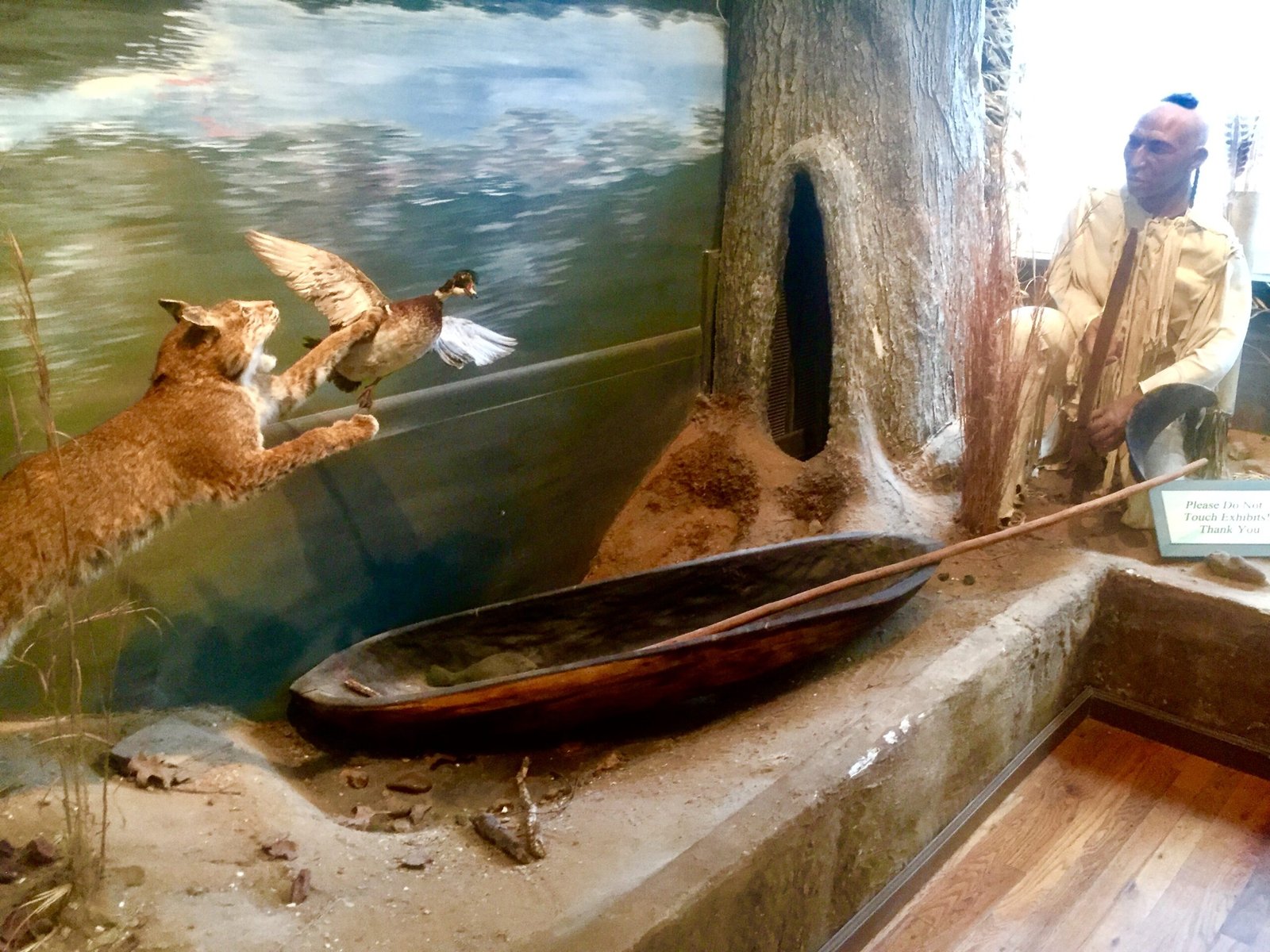
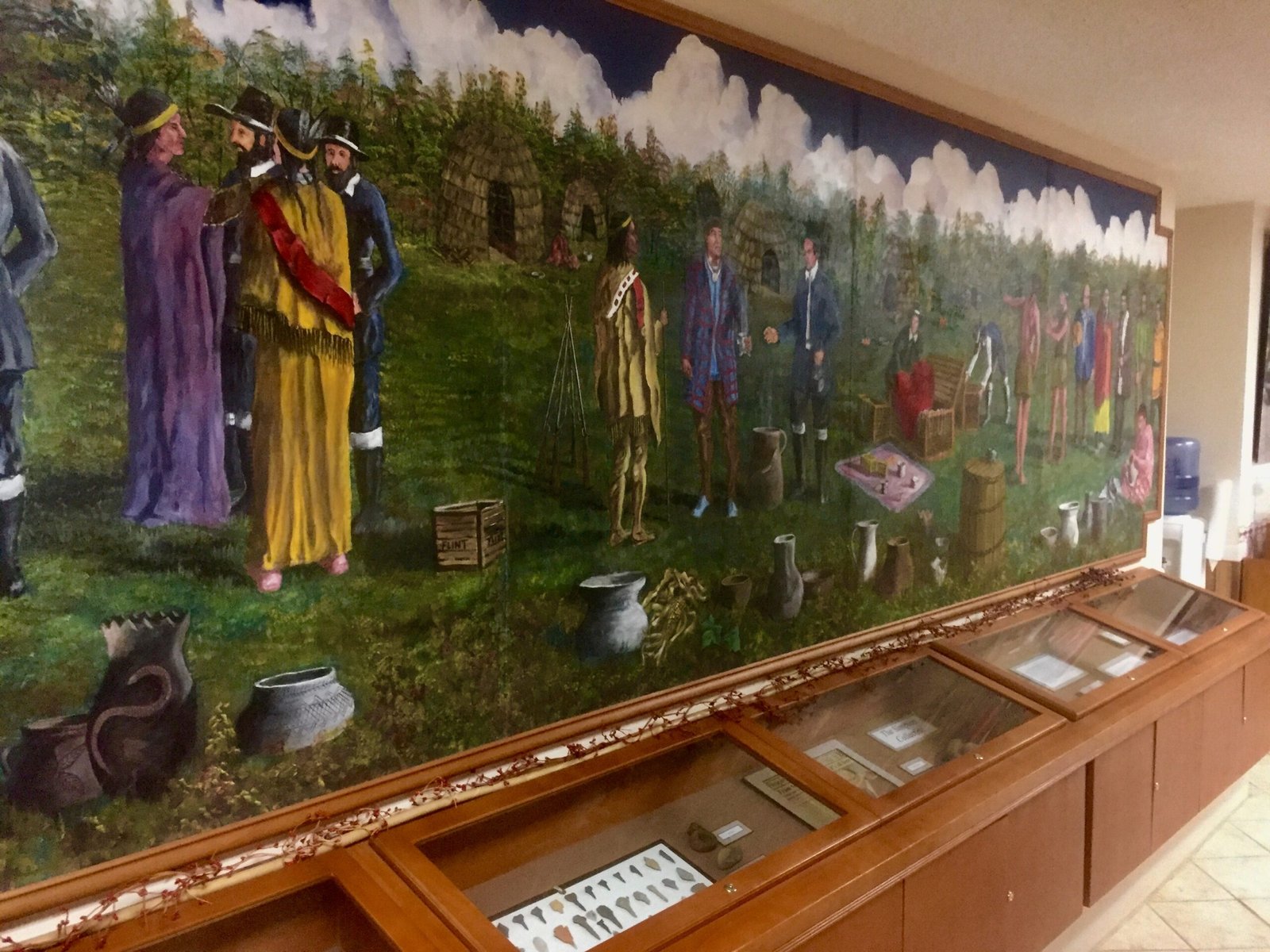
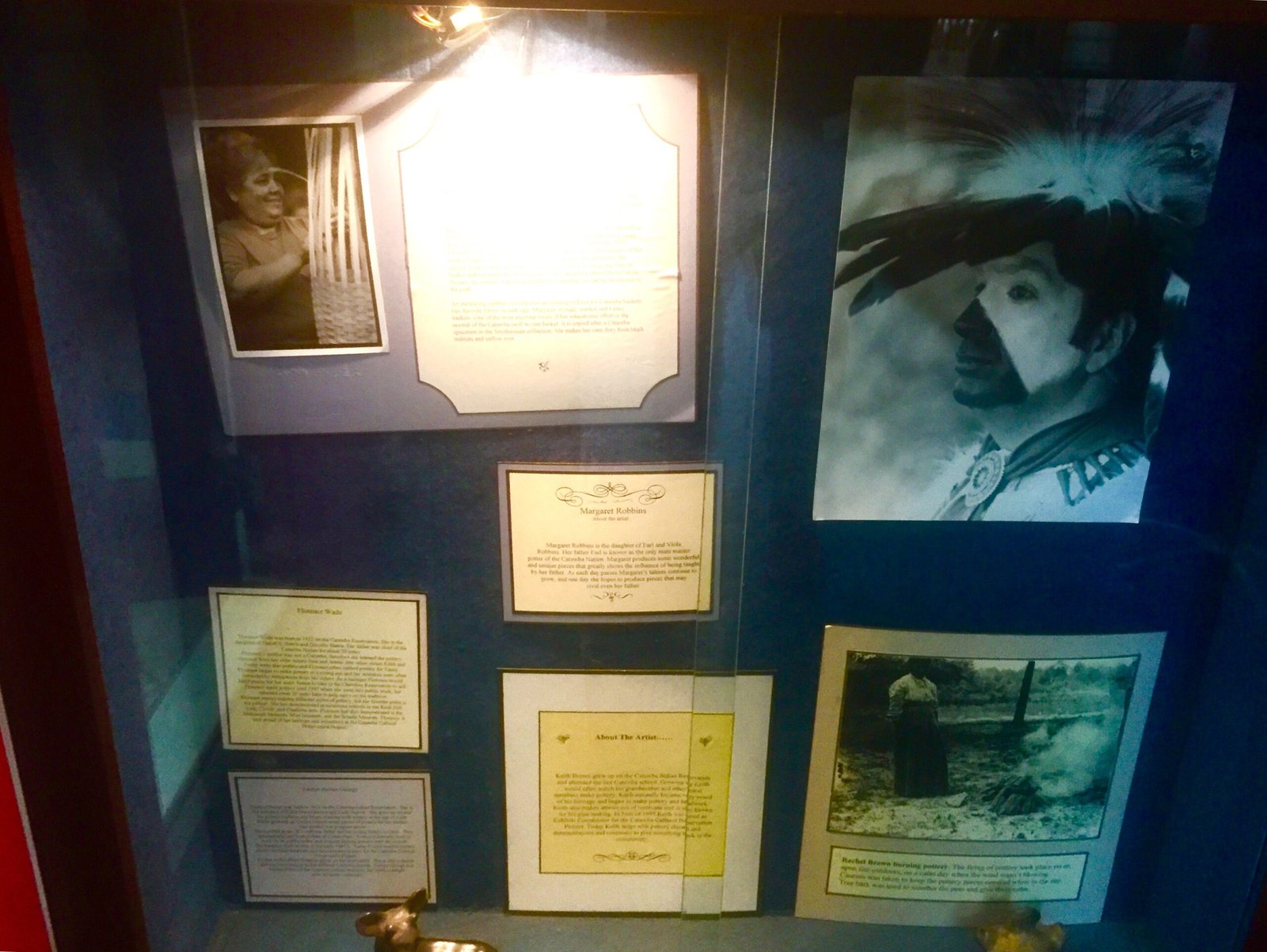
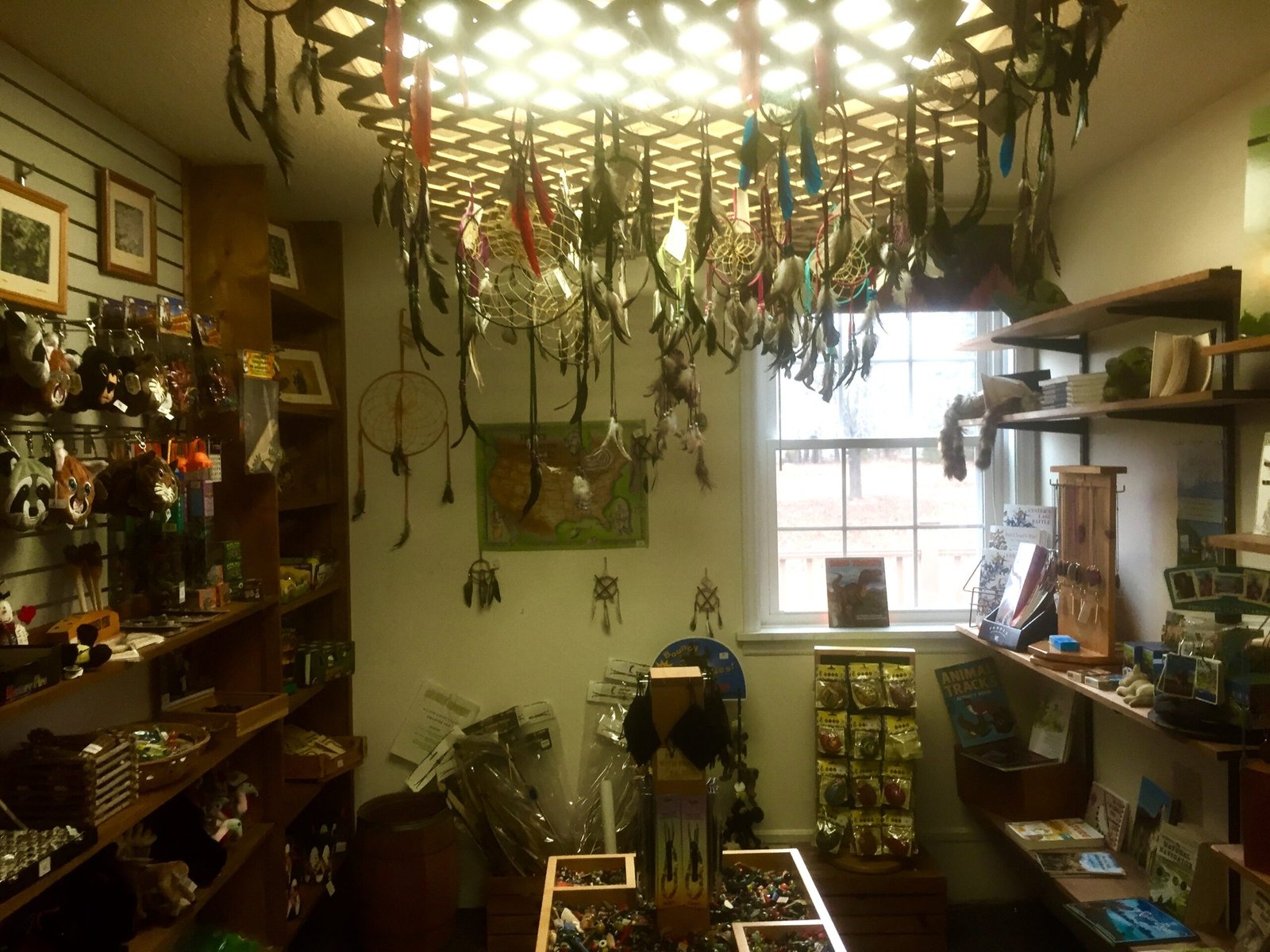
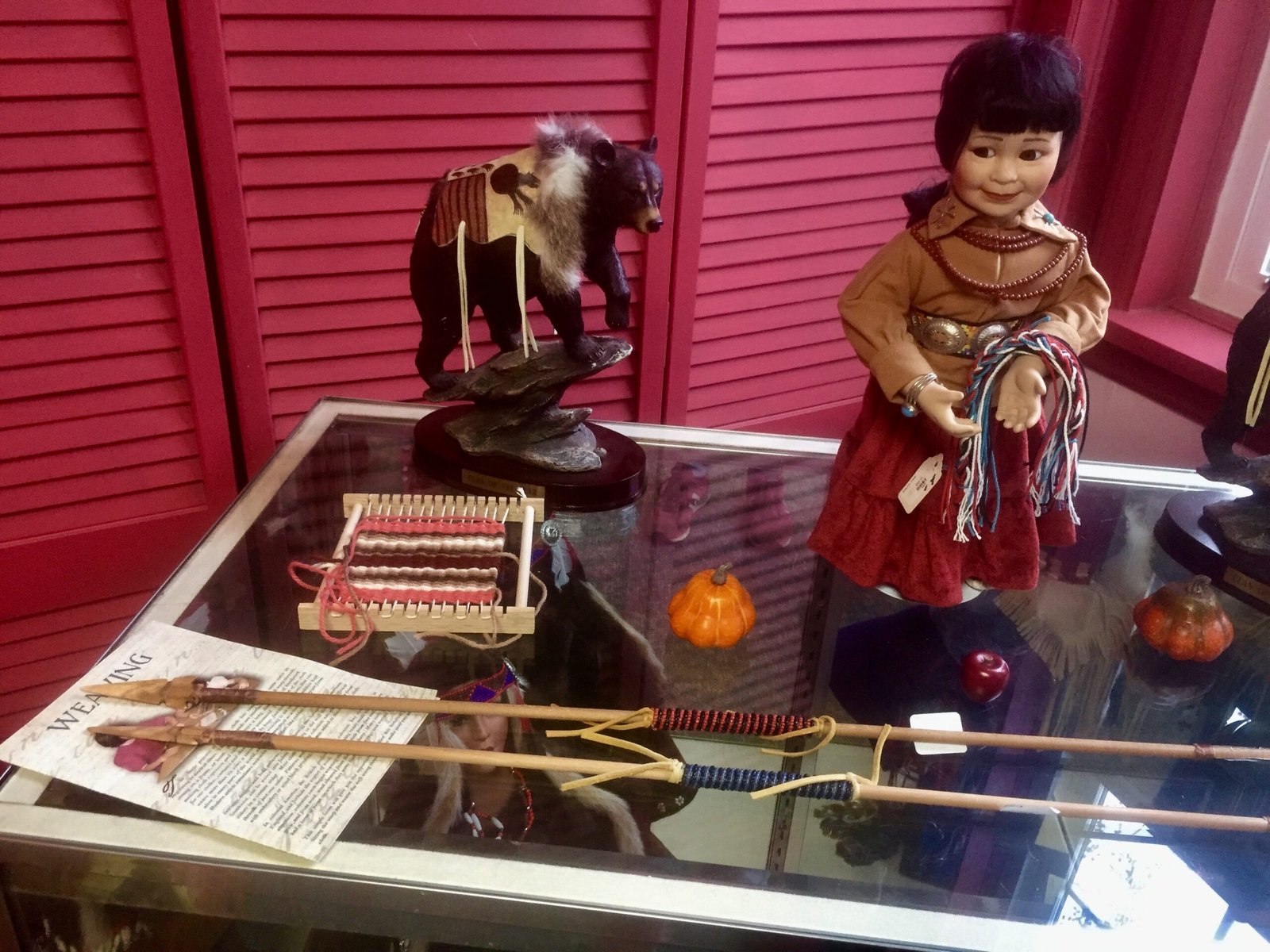
Beyond the pottery, the museum reconstructs the older Catawba world. A log dwelling stands with its hearth laid ready; dioramas set foxes, fish and a dugout canoe along a stretch of modelled river; a long mural ranges the people across their landscape. Cases of beadwork and archival photographs fill the rooms, and framed documents tell the harder parts of the story. The gift shop, hung with dreamcatchers and lined with pottery, is where the living craft meets the visitor.
The Yehasuri Trail
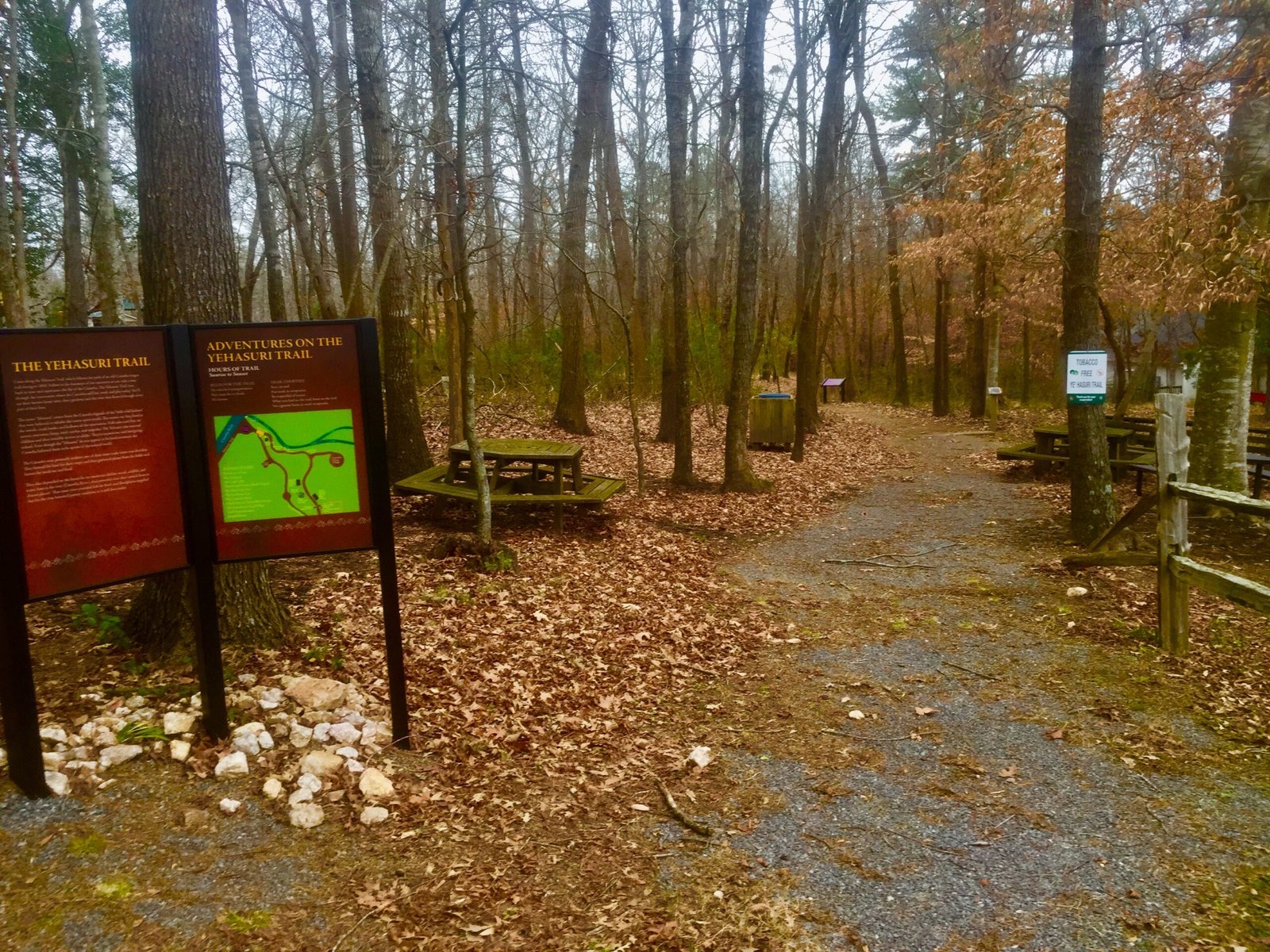
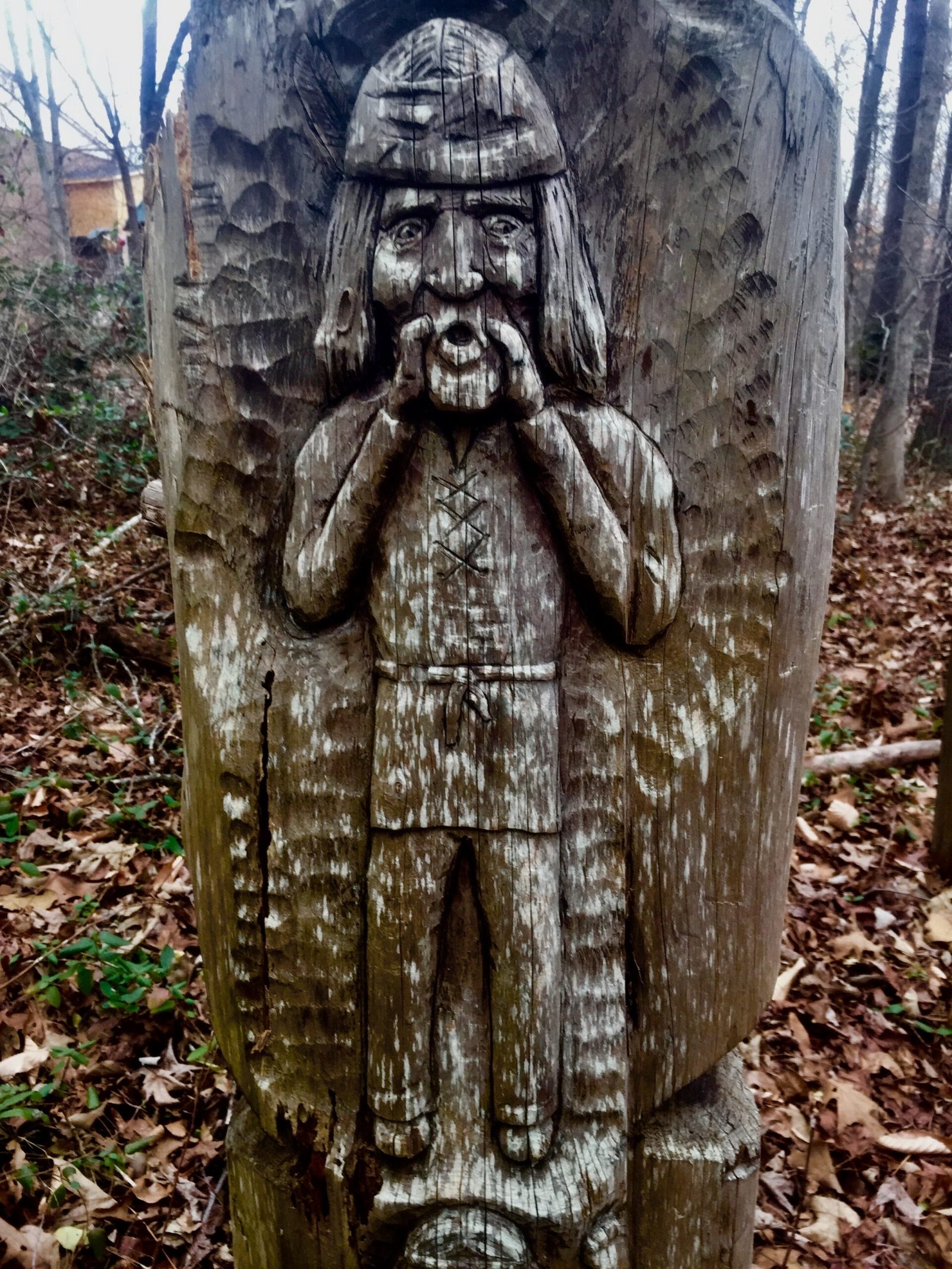
Behind the center, a woodland path leads into the trees: the Yehasuri Trail, named for the Yehasuri, the “little wild people” of Catawba folklore, small forest spirits best not disturbed. Along the way, figures carved from standing tree trunks watch the path — a warrior, an elder, a face half-swallowed by the wood. It is a short, quiet walk that turns an old story into something you move through rather than only read.
Practical information & getting there
- The museum, archive and gift shop are open to visitors; the Yehasuri Trail is a short walk behind the center
- Opening hours vary — check ahead before you travel
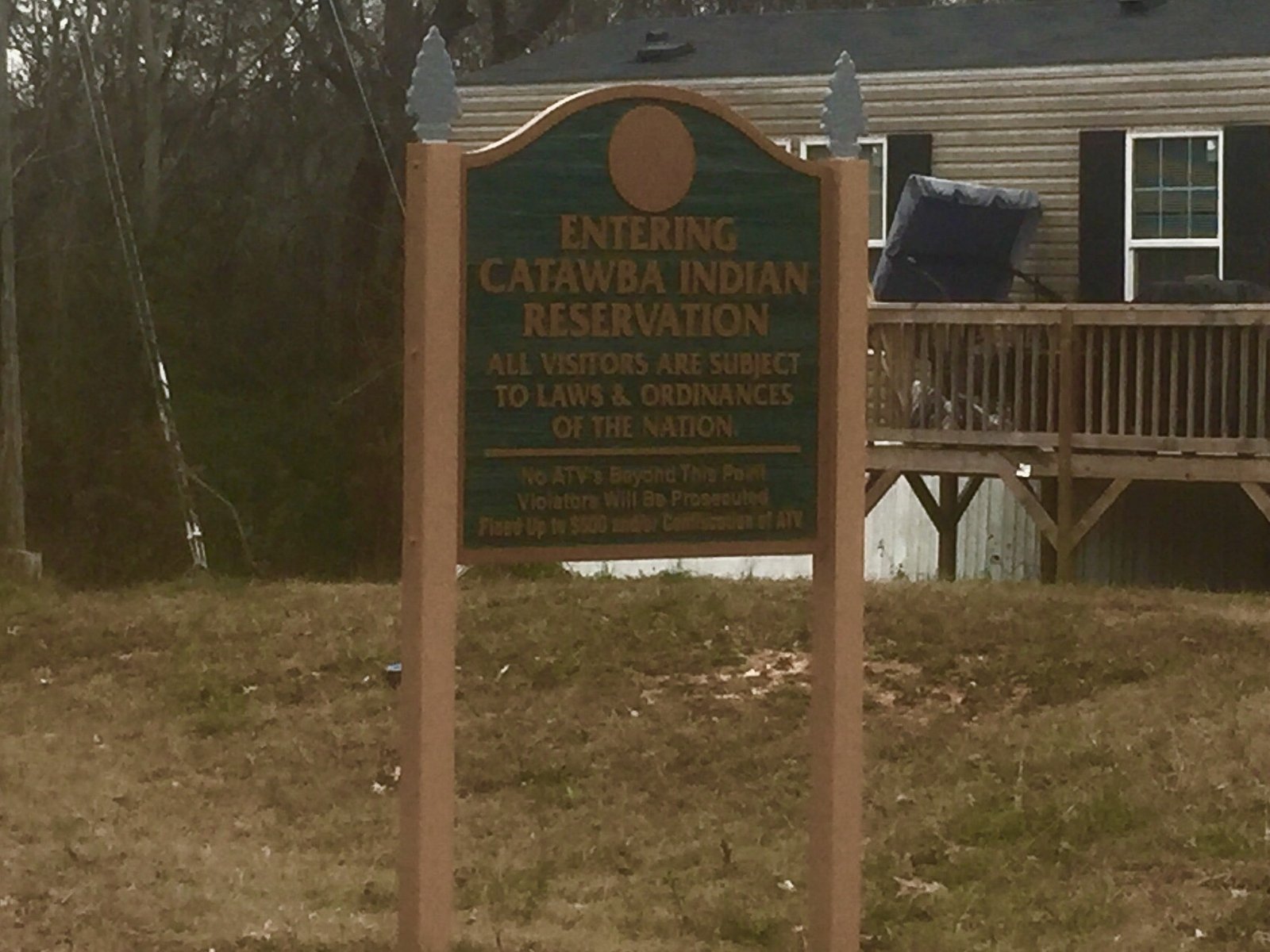
- The reservation is the sovereign land of the Catawba Indian Nation; visitors are asked to respect its laws
- The center lies off Tom Steven Road near Rock Hill, in York County, South Carolina, a short drive from Interstate 77 between Charlotte and Columbia
Frequently asked questions
Who are the Catawba?
The Catawba Indian Nation, the "river people", are the only federally recognised Native American tribe in South Carolina, long settled along the Catawba River in York County.
What is Catawba pottery?
It is a pottery hand-built without a wheel from river clay, burnished with stones and fired in the open rather than a kiln, its colours drawn from the fire rather than glaze. It is among the oldest continuous pottery traditions in North America.
Can you visit the Catawba Cultural Center?
Yes. The center has a museum and gift shop open to visitors, and the Yehasuri Trail runs through the woods behind it. Opening hours vary, so it is best to check ahead.
What is the Yehasuri Trail?
A short woodland walk named after the Yehasuri, the "little wild people" of Catawba folklore, marked along its length by figures carved from standing trees.
Gallery
The Catawba Cultural Center and the Yehasuri Trail, photographed by Luigi De Marchi.
Sources
- Catawba Indian Nation (catawba.com)
- Catawba Cultural Preservation Project — Catawba Cultural Center
Find it on the map
See this place and what’s around it →📷 Become a Cultural Heritage Online photographer
Share your photos of places: they stay published under your name as the author. The more they're seen, the more you get noticed — and soon a contest will reward the most appreciated photos.
Log in or sign up free to add a photoIs this page about you?
This page is read by travellers and heritage enthusiasts who find it on Google. Tell us how you are connected to this place and we will take it from there.