
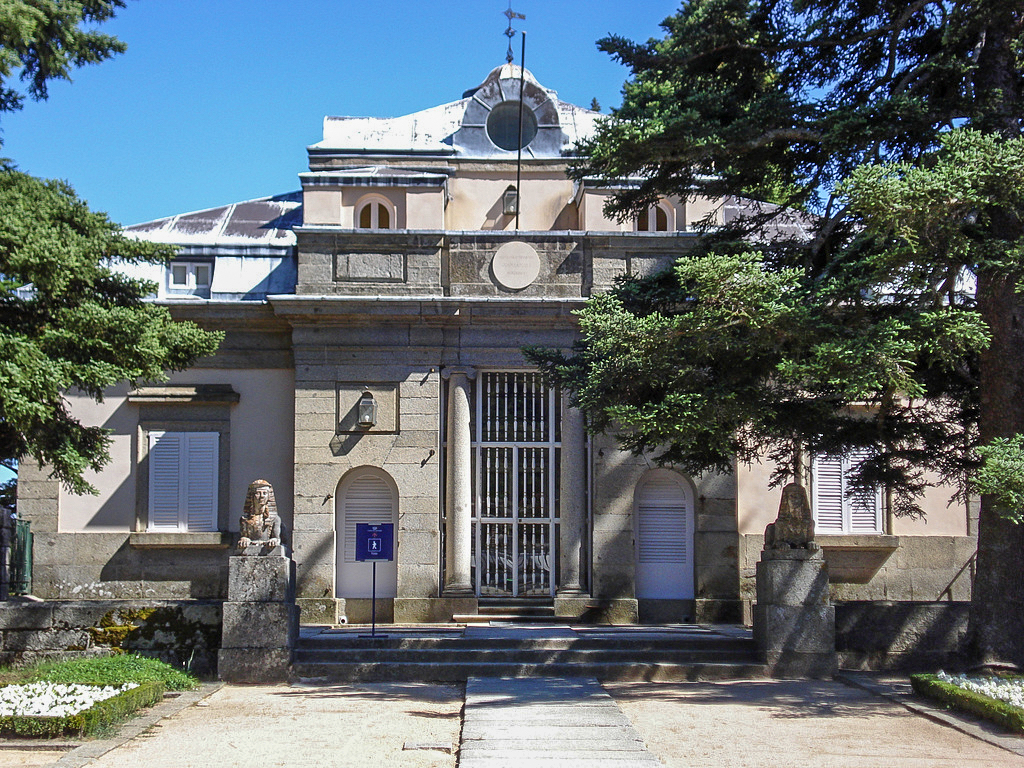
A modest royal retreat built for Infante Gabriel of Spain, this late-18th-century cottage exemplifies the era’s fashion for intimate hideaways beyond the formality of palace life.
At a glance
The Casita del Infante is a small private residence constructed during the reign of Charles III of Spain as a personal home for his son, the Infante Gabriel. Built in the late 18th century, it reflects the architectural tastes and lifestyle preferences of Spanish nobility during the period.
History
The cottage was commissioned during a period when European royalty and aristocracy favored small, informal residences as personal retreats. The Infante Gabriel received this property as his own home, built within the royal precincts of San Lorenzo de El Escorial under the patronage of his father, King Charles III.
What you see
The building is designed as a modest, intimate structure—a departure from the grand palace architecture of the period. Its scale and simplicity reflect its intended purpose as a private residence for entertainment and relaxation rather than ceremonial use.
Cultural significance
The Casita del Infante represents an important aspect of 18th-century European court culture: the royal appetite for escape and informality. Its construction parallels celebrated examples such as the Petit Trianon at Versailles, demonstrating how monarchy across the continent adopted the same architectural philosophy of private, accessible retreats.
Key facts
- Location: San Lorenzo de El Escorial, Spain
- Coordinates: 40.5853, -4.1581
- Built: Late 18th century
- Commissioned for: Infante Gabriel of Spain
- Patron: Charles III of Spain
Practical information & getting there
The Casita del Infante is located within the San Lorenzo de El Escorial complex, approximately 45 kilometers northwest of Madrid. Access details and visiting hours should be confirmed with the site directly.
Sources & resources
Find it on the map
See this place and what’s around it →📷 Become a Cultural Heritage Online photographer
Share your photos of places: they stay published under your name as the author. The more they're seen, the more you get noticed — and soon a contest will reward the most appreciated photos.
Log in or sign up free to add a photo