

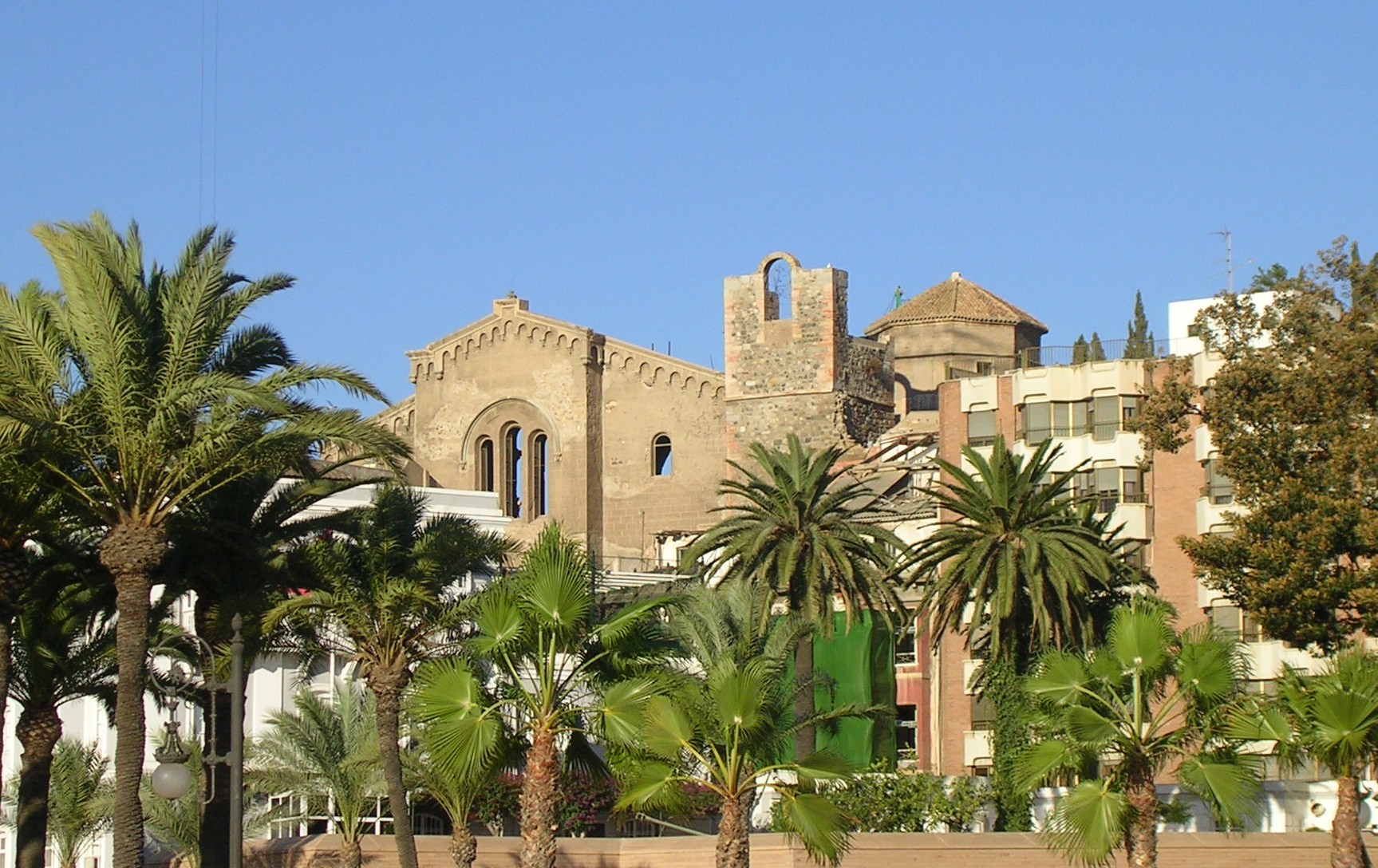
The ruined cathedral of a Mediterranean port city, destroyed during the Spanish Civil War and left standing as a monument to conflict.
At a glance
Cartagena Cathedral, also known as the Cathedral of Santa María la Vieja, once served as the seat of the Diocese of Cartagena. Positioned on the hilltop of La Concepción overlooking the old town, it has remained in ruins for over eight decades—a stark reminder of war’s destructive power.
History
The cathedral stood at the spiritual and civic center of Cartagena’s historic quarter until 1939, when Nationalist forces shelled the city during the Spanish Civil War. The bombardment reduced the building to ruins, where it has remained ever since, never reconstructed.
What you see
Today, visitors encounter the cathedral’s skeletal remains on La Concepción hill—broken walls and exposed stonework that bear witness to the violence of 1939. The ruins speak more eloquently than restoration could.
Cultural significance
The cathedral’s preservation in ruin form carries profound historical weight. It serves as a physical archive of the Spanish Civil War and the suffering inflicted on civilian populations. The site has become a pilgrimage point for those seeking to understand Spain’s twentieth-century trauma and to reflect on the costs of conflict.
Key facts
- Country: Spain
- City: Cartagena
- Coordinates: 37.5992, −0.9846
- Destroyed: 1939 during Spanish Civil War
- Location: La Concepción hill, old town
Practical information & getting there
The ruins are accessible on La Concepción hill in Cartagena’s historic quarter. The site is open to visitors and offers views across the Mediterranean port city. For current access details and visiting hours, check locally with the Cartagena tourism office.
Sources & resources
Find it on the map
See this place and what’s around it →📷 Become a Cultural Heritage Online photographer
Share your photos of places: they stay published under your name as the author. The more they're seen, the more you get noticed — and soon a contest will reward the most appreciated photos.
Log in or sign up free to add a photoIs this page about you?
This page is read by travellers and heritage enthusiasts who find it on Google. Tell us how you are connected to this place and we will take it from there.