

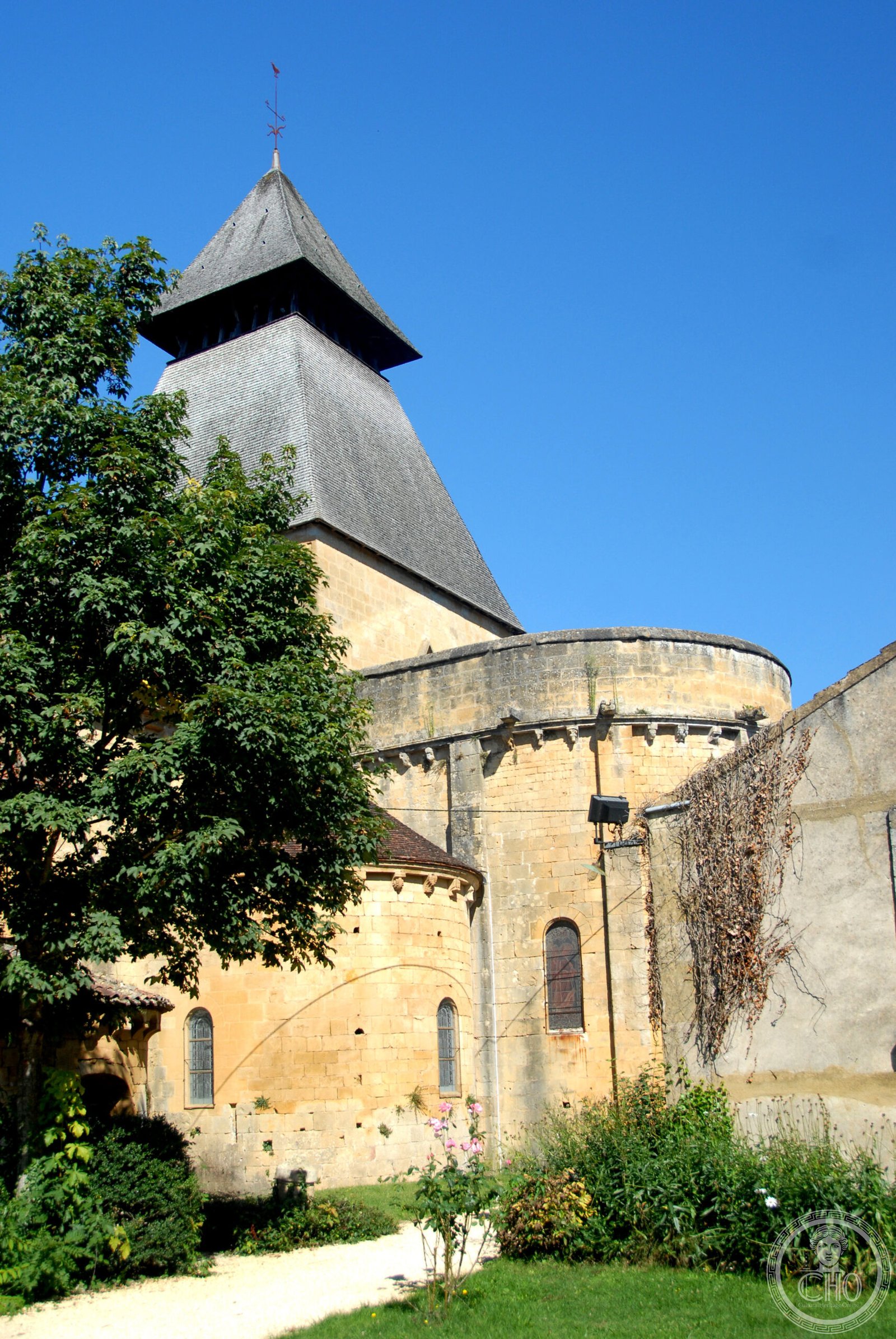
A Cistercian monastery that rose to prominence as a major pilgrimage site, housing what pilgrims believed to be the facecloth of Christ. Founded in 1115 and dissolved during the French Revolution, its abbey church remains standing in the Dordogne.
At a glance
Cadouin Abbey began as a hermitage in 1115 and became a formal abbey in 1119, eventually joining the Cistercian Order. The monastery gained immense wealth and pilgrimage traffic after acquiring a precious relic—the supposed facecloth of Christ—which drew believers seeking spiritual grace. By the time of the French Revolution, its influence had long waned.
History
Gerald of Salles established the hermitage in 1115 in the name of Robert of Arbrissel. Four years later, under Abbot Henri (a former monk of Pontigny Abbey), it was formally constituted as an abbey, though it remained independent until approximately 1199.
The monastery became the parent house of six daughter abbeys: Grandselve, Gondon, Bonnevaux, Ardorel, La Faise, and Saint-Marcel. Each eventually adopted the Cistercian Rule, though not necessarily in synchrony with Cadouin itself.
The acquisition of a relic—reputedly the facecloth from Christ’s tomb, allegedly brought from Antioch by a Périgord priest—transformed Cadouin’s fortunes. Though first documented in the abbey’s possession in 1214, tradition linked it to Bishop Adhémar de Monteil of Le Puy, who died in 1098. The relic made Cadouin a destination for pilgrims and a source of substantial revenue and status. The abbey’s proximity to the Via Lemovicensis, one of four major pilgrimage routes to Santiago de Compostela, amplified this success.
Wars in the 13th and 14th centuries devastated pilgrimage traffic. By 1791, Cadouin housed only four monks when revolutionary forces dissolved it. The monastery’s treasures were seized and its library burned in the village square.
What you see
The abbey church survives as Cadouin’s principal standing structure, a testament to monastic Cistercian architecture and the institution’s former prominence.
Cultural significance
Cadouin exemplifies the power of relics in medieval religious life and medieval pilgrimage networks. As a Cistercian foundation and mother house, it embodied the Order’s monastic discipline while participating in the broader economy of Christian devotion. Its decline marks the vulnerability of such institutions to both warfare and revolution.
Key facts
- Location: Le Buisson-de-Cadouin, Dordogne, France (44.81°N, 0.874°E)
- Founded: 1115 as hermitage; constituted as abbey in 1119
- Order: Cistercian (formally affiliated c. 1199)
- Dissolved: 1791 during the French Revolution
- UNESCO World Heritage: Not listed
Practical information & getting there
Cadouin Abbey is located in the Dordogne département in southwestern France. The abbey church is open to visitors; consult local tourism information for current hours and access. The site lies approximately 50 kilometres west of the Via Lemovicensis pilgrimage route.
Sources & resources
Find it on the map
See this place and what’s around it →📷 Become a Cultural Heritage Online photographer
Share your photos of places: they stay published under your name as the author. The more they're seen, the more you get noticed — and soon a contest will reward the most appreciated photos.
Log in or sign up free to add a photoIs this page about you?
This page is read by travellers and heritage enthusiasts who find it on Google. Tell us how you are connected to this place and we will take it from there.