

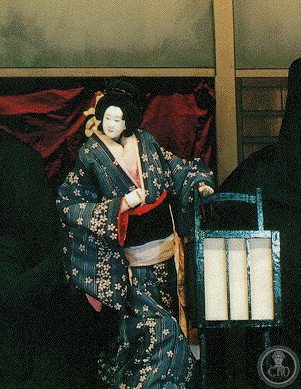
In Osaka’s theatres, three-person teams bring wooden puppets to life through a mesmerizing blend of chanting, shamisen music, and precise manipulation—a four-hundred-year-old art form that remains as vital today as when it was founded.
At a glance
Bunraku is a sophisticated form of puppet theatre in which elaborately carved wooden figures are operated by skilled puppeteers while a chanter (tayū) recites the narrative and shamisen musicians accompany the action. The integration of these three performance elements creates a unified dramatic experience distinct from any other theatrical form.
Origins and history
Bunraku was founded in Osaka at the beginning of the 17th century, emerging during a period of artistic flourishing in Japan. The tradition combines the narrative chanting technique called jōruri with the operation of ningyō (puppets or dolls), a pairing that has endured for over four centuries and continues to define the form today.
The tradition today
A bunraku performance requires the coordinated work of three types of performers. The ningyōtsukai (puppeteers) manipulate intricately crafted figures with visible hands and faces. The tayū chants dialogue and narration, voicing the emotional and dramatic arc of the story. Shamisen musicians provide rhythmic and melodic accompaniment, sometimes joined by taiko drums or other traditional instruments to heighten dramatic moments.
Cultural significance
Bunraku represents a distinctive achievement in world theatre—a form where narrative voice, instrumental music, and physical puppetry merge as equals rather than hierarchies. The tradition embodies centuries of Japanese aesthetic refinement and continues to attract audiences seeking a profound connection to classical performance art.
Key facts
- Country: Japan
- Anchor community: Osaka
- UNESCO Intangible Cultural Heritage: Ningyo Johruri Bunraku puppet theatre (Representative List)
- Founded: Early 17th century
- Core performance roles: Puppeteers (ningyōtsukai), chanters (tayū), and shamisen musicians
Where to experience it
Bunraku performances continue to be staged in Osaka and at major cultural venues throughout Japan. You can find current production schedules through local theatre organisations and cultural institutions dedicated to preserving classical Japanese performing arts.
Sources & resources
Find it on the map
See this place and what’s around it →📷 Become a Cultural Heritage Online photographer
Share your photos of places: they stay published under your name as the author. The more they're seen, the more you get noticed — and soon a contest will reward the most appreciated photos.
Log in or sign up free to add a photo