
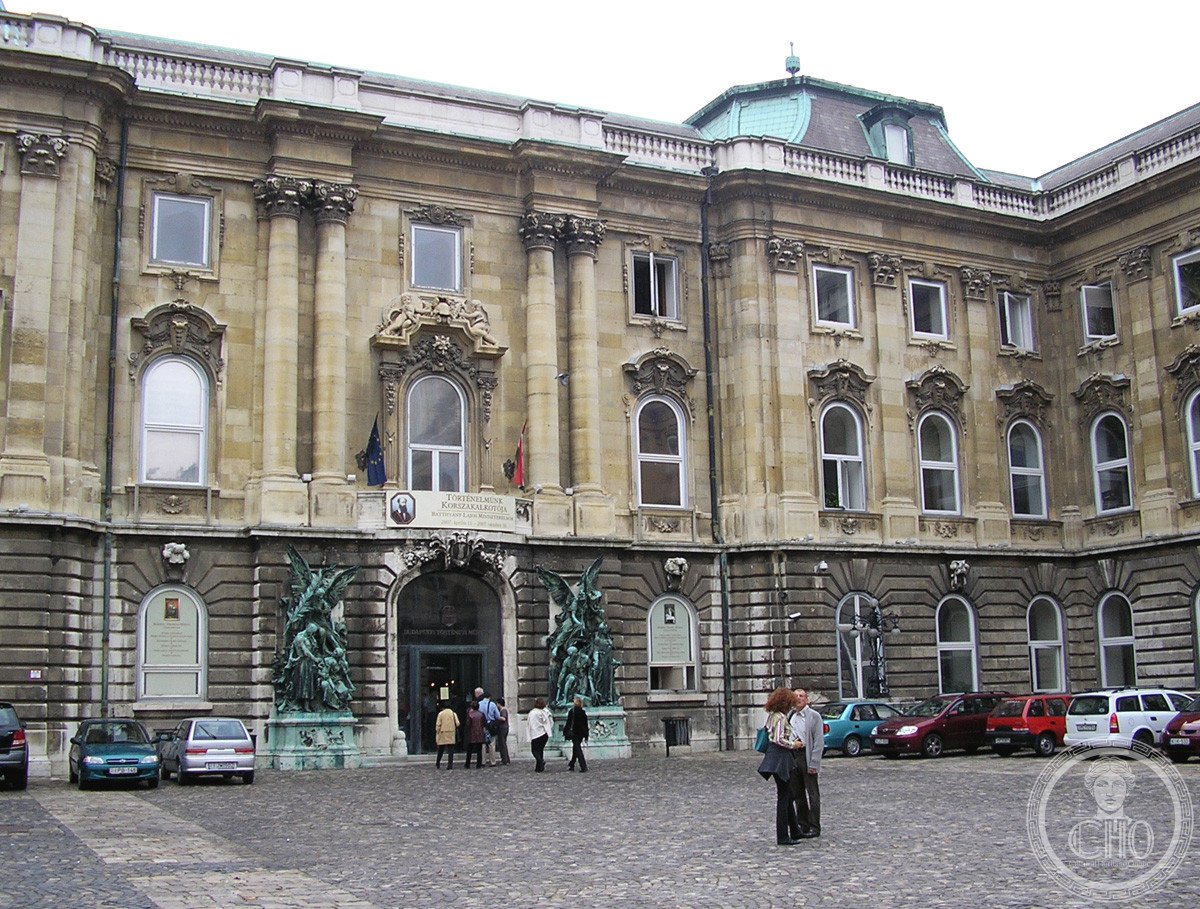
A comprehensive collection of artifacts documenting Budapest’s development since the city’s unification in 1873.
At a glance
The Budapest History Museum preserves and displays objects that chronicle the city’s past. Known locally as the Castle Museum, it occupies a significant position within Budapest’s cultural institutions, serving as the primary repository for understanding the capital’s urban evolution and heritage.
History
The museum’s collection began accumulating following Budapest’s unification in 1873, when the separate cities of Buda, Óbuda, and Pest were consolidated into a single metropolitan entity. From that moment, systematic efforts to preserve artifacts and documents reflecting the unified city’s character and development have formed the foundation of the museum’s holdings.
What you see
The museum occupies a location at Szent Gyorgy tér within the Buda Castle complex. The physical setting itself positions the collection within Budapest’s most historically significant district, where architectural layers from different periods converge.
Cultural significance
As the primary institutional guardian of Budapest’s post-1873 history, the museum provides essential context for understanding Central Europe’s most important capital city. The collection’s scope encompasses the transformative period from the Austro-Hungarian era through modern times, making it vital for scholars and visitors alike seeking to grasp Budapest’s complex urban and cultural narrative.
Key facts
- Address: Szent Gyorgy tér 2, 1014 Budapest
- Coordinates: 47.495248211003094, 19.040374159812927
- Official website: www.btm.hu
- Phone: +36 1 487 8800
Practical information
Opening hours and current admission details are available on the official website. The museum maintains regular visitor access to its collections and exhibitions.
Getting there
The museum is located in the Buda Castle district, accessible via public transport connections to Budapest’s historic waterfront area. You can reach it by metro, bus, or tram; the castle complex itself offers pedestrian access from surrounding neighborhoods.
Sources & resources
Find it on the map
See this place and what’s around it →📷 Become a Cultural Heritage Online photographer
Share your photos of places: they stay published under your name as the author. The more they're seen, the more you get noticed — and soon a contest will reward the most appreciated photos.
Log in or sign up free to add a photoIs this page about you?
This page is read by travellers and heritage enthusiasts who find it on Google. Tell us how you are connected to this place and we will take it from there.