
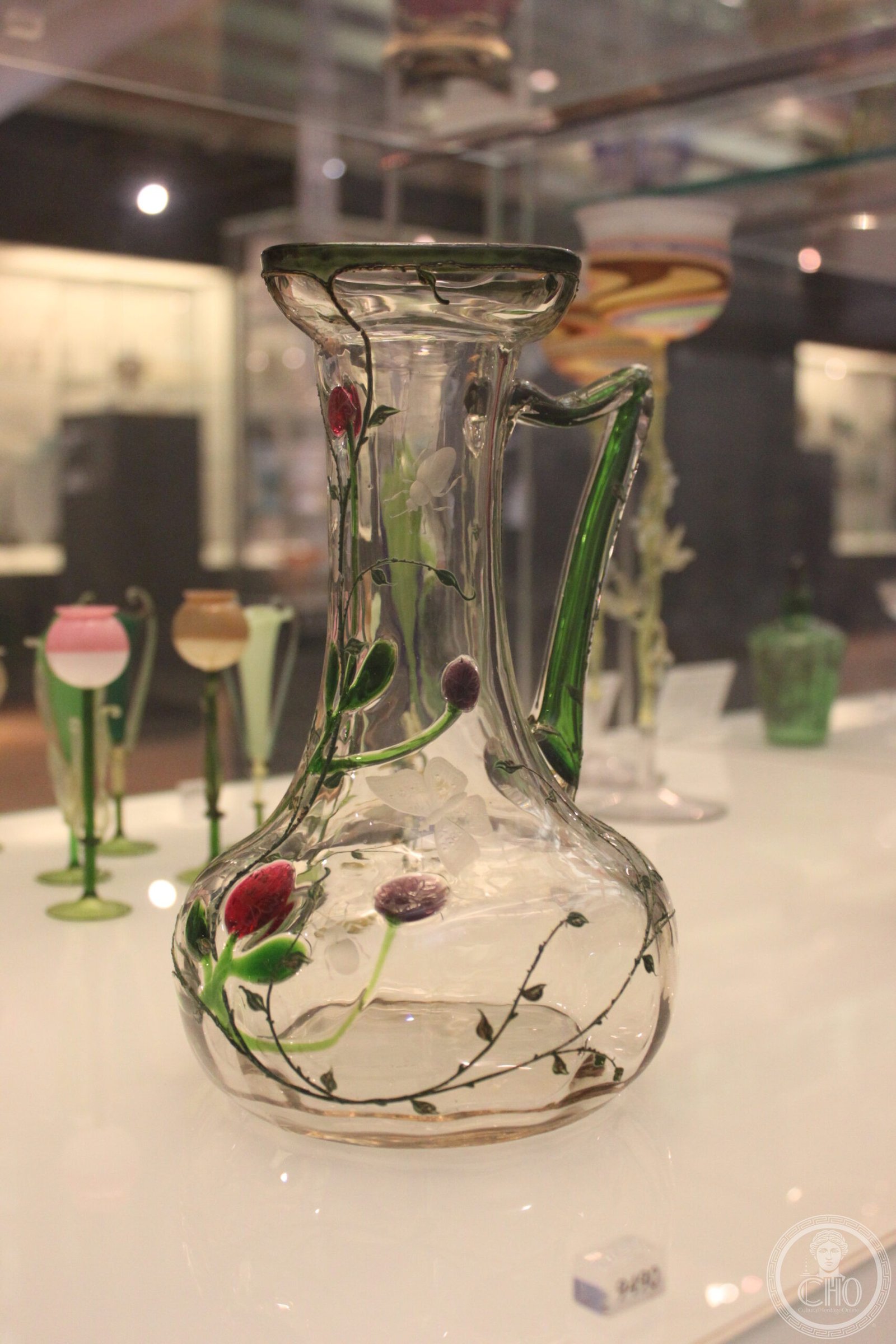
For nearly eight centuries, the glassmakers of Bohemia have produced some of Europe’s most coveted decorative and functional glass, from delicate champagne flutes to soaring chandeliers, earning international renown for their precision, artistry and innovation.
At a glance
Bohemian glass (české sklo or český křišťál) represents a continuous heritage of handmade glass production spanning multiple generations across the Czech regions of Bohemia and Silesia. The craft encompasses hand-cutting, engraving, blowing and painting techniques applied to everything from costume jewellery to monumental architectural installations. Today it remains a cornerstone of Czech cultural identity and global luxury exports.
Origins and history
Archaeological evidence traces glass production in the region back to around 1250, when furnaces operated in the Lusatian Mountains of Northern Bohemia. The craft flourished over subsequent centuries, with major production centres establishing themselves throughout the territory.
By around 1600, towns including Skalice u České Lípy, Jablonec nad Nisou, Železný Brod, Poděbrady, Karlovy Vary, Kamenický Šenov and Nový Bor had become established glass hubs, each developing distinct specialisations and styles. Museums in these towns preserve collections documenting this evolution.
The tradition today
Bohemian glass production continues through both historic family workshops and contemporary studios. Jablonec nad Nisou maintains particular fame for its tradition of hand-crafted glass costume jewellery, while other centres specialise in tableware, ornamental objects and lighting.
The Czech Republic hosts numerous glass studios and schools where local and international students learn traditional techniques alongside contemporary design approaches. The brands Moser, Rückl and Crystalex remain internationally recognised producers, their wares held in royal collections and displayed in prestigious institutions worldwide.
Cultural significance
Bohemian glass embodies centuries of technical mastery and aesthetic refinement, combining functional purpose with artistic innovation. The craft represents a living continuum connecting medieval artisans to present-day glassmakers, preserving knowledge systems that cannot be replicated by industrial production.
The tradition remains central to regional identity and economic life, while maintaining appeal as both luxury commodity and cultural symbol of Czech craftsmanship.
Key facts
- Country: Czech Republic
- Anchor community: Nový Bor
- UNESCO Intangible Cultural Heritage Representative List: Knowledge, craft and skills of handmade glass production
- Earliest archaeological evidence: c. 1250 (Lusatian Mountains)
- Major production centres: Jablonec nad Nisou, Železný Brod, Poděbrady, Karlovy Vary, Kamenický Šenov, Nový Bor and others
- Notable specialisation: Jablonec nad Nisou glass costume jewellery
Where to experience it
You can visit the Museum of Glass and Jewellery in Jablonec nad Nisou to explore extensive historical collections and contemporary work. Many towns maintain glass museums with pieces from around 1600 onward. Active glass studios throughout the region welcome visitors; contact local tourism offices for current workshop hours and access information.
Sources & resources
- Bohemian glass (Wikipedia)
- Cultural Heritage Online
Find it on the map
See this place and what’s around it →📷 Become a Cultural Heritage Online photographer
Share your photos of places: they stay published under your name as the author. The more they're seen, the more you get noticed — and soon a contest will reward the most appreciated photos.
Log in or sign up free to add a photo